
Lhasa, the Holy City | 3 Days 2 Nights Family-Friendly Itinerary
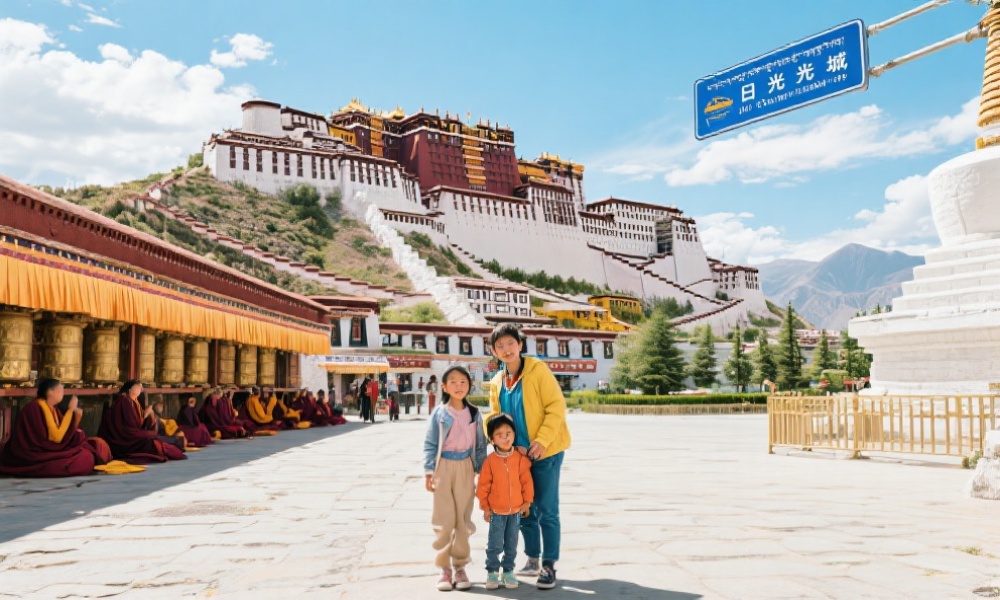
Lhasa, the capital of Tibet, known as the "City of Sunlight," attracts travelers from all over the world with its unique geography, profound religious culture, and pure spiritual energy. For travelers planning a trip with family, especially children, XOOTOUR's experienced columnist has carefully planned a 3-day, 2-night itinerary to ensure a relaxed pace that balances cultural experiences with physical acclimatization, allowing the whole family to create wonderful and unforgettable memories in the holy city.
Day 1: Initial Exploration and Adaptation in the Holy City
On your first day in Lhasa, the priority is to get plenty of rest to help your body acclimatize to the high altitude. Lhasa Gonggar Airport (LXA) is about 60 kilometers from the city center, so it is recommended to book an airport transfer in advance or take the airport shuttle bus directly to your hotel in the city.
After arriving at the hotel and checking in, please avoid strenuous exercise, drink plenty of water, and ensure you rest for at least 2-3 hours. Individual differences in altitude sickness are significant, and children's adaptability requires special attention.
In the late afternoon, after you feel well, you can choose to take a leisurely stroll along Barkhor Street . Barkhor Street surrounds the Jokhang Temple and is one of Lhasa's most vibrant and religiously atmospheric areas. It's a hub for traditional Tibetan handicrafts, clothing, and local snacks, but it's not advisable to spend too much time shopping or exploring at this time; consider it a gentle way to get acquainted with Lhasa's charm. Observing pilgrims circumambulating the holy site and experiencing the daily rhythm of the holy city can help alleviate the initial tension of arriving at high altitude.
For dinner, it is recommended to choose light and easily digestible Tibetan or Sichuan cuisine, avoiding greasy and spicy dishes, to provide energy for the body.
Day 2: The Pinnacle of Faith and Cultural Immersion
After a night's rest, my body has begun to adapt to the high-altitude environment. Today, we will explore Lhasa's most representative cultural landmarks.
In the morning, visit the Potala Palace, a UNESCO World Heritage Site. As the winter palace and the center of the theocratic rule of the Dalai Lamas, the Potala Palace integrates palaces, castles, and monasteries. Its magnificent architecture, rich murals, stupas, statues, and precious artifacts are breathtaking. Due to strict time restrictions for visiting the Potala Palace and its numerous staircases, please book tickets at least 7 days in advance through the official WeChat account or website. During your visit, please slow down, take breaks, and avoid rushing, especially paying attention to children's physical condition. It is recommended to focus on visiting the main halls of the White Palace and Red Palace, rather than trying to see everything, to ensure comfort.
After lunch, we will visit the Jokhang Temple , another World Heritage Site. The Jokhang Temple is the central temple of Tibetan Buddhism, housing a life-size statue of the 12-year-old Shakyamuni Buddha, and is a sacred site for countless believers. Compared to the Potala Palace, the pace of visiting the Jokhang Temple is more relaxed, allowing for a closer experience of the devout atmosphere of Tibetan Buddhism. The temple boasts magnificent golden roofs and solemn halls; children can observe unique prayer wheels and butter lamps. After the visit, you can stroll along Barkhor Street again, where you can choose souvenirs or enjoy a cup of authentic sweet tea at a street-side teahouse, experiencing the leisurely lifestyle of the locals.
For dinner, you can choose a restaurant that offers Tibetan song and dance performances, allowing you to enjoy delicious food while experiencing the rich ethnic culture.
Day 3: Temple debates or leisurely strolls in the summer palace
On the third day of your trip, you can choose a nearby attraction for an in-depth experience, depending on the interests and physical condition of your family members.
Option 1: Sera Monastery – Experience the Wisdom of Buddhist Debate
In the morning, we will visit Sera Monastery , located in the northern suburbs of Lhasa, one of the three major monasteries of the Gelug school of Tibetan Buddhism. Sera Monastery is famous for its unique "debate" activities, where monks discuss Buddhist doctrines through lively questioning and physical gestures. Debates usually take place from 3 pm to 5 pm. If time permits, watching a debate is an excellent experience for children to learn about Tibetan Buddhist culture. If time is limited, visiting the monastery's architecture, halls, and murals in the morning to experience its solemnity and tranquility is also a good option.
Option 2: Norbulingka – The Dalai Lama's Summer Palace
If you prefer a more relaxed and leisurely experience of natural scenery, a visit to Norbulingka is recommended. As the summer palace and garden of the Dalai Lamas, Norbulingka, meaning "treasure garden," is the largest and most exquisite garden in Tibet. It boasts lush greenery, abundant flowers and plants, magnificent palace architecture, and an elegant environment. For families with children, Norbulingka offers spacious outdoor areas where kids can move around relatively freely and experience this "oasis" on the plateau. Visiting the palace and learning about the Dalai Lamas' summer life is also a unique cultural experience.
After lunch, depending on your flight schedule, proceed to the airport or train station to conclude your Lhasa trip.
Travel Tips
Transportation Guide
- By Air: Lhasa Gonggar Airport (LXA) is the main gateway to and from Lhasa. The airport shuttle bus is an economical option, terminating at the Civil Aviation Administration, where you can transfer to a taxi to your hotel. When booking your hotel, you can inquire about airport shuttle services.
- Train: The Qinghai-Tibet Railway is another scenic way to enter Tibet. Lhasa Railway Station is located in the southwest of the city, and there are buses and taxis to the city.
- Transportation within Lhasa: Lhasa city is not large. For major attractions, you can choose to travel by taxi, ride-hailing service (Didi), or on foot. To avoid altitude sickness, prolonged walking is not recommended.
Avoiding pitfalls and helpful tips
- Altitude sickness: Upon arrival, be sure to rest adequately and avoid strenuous exercise, alcohol consumption, and excessive excitement. Drink plenty of water and consider taking altitude sickness medications such as Rhodiola rosea in advance. If severe discomfort occurs, seek medical attention immediately. Children's altitude sickness symptoms may be atypical, requiring close monitoring by parents.
- Ticket Booking: Tickets for the Potala Palace must be booked in advance, especially during peak season when tickets are extremely difficult to obtain. Advance ticket purchase is also recommended for Jokhang Temple, Sera Monastery, and other similar sites.
- Sun protection and warmth: Lhasa has strong ultraviolet radiation, so be sure to take sun protection measures (hat, sunglasses, sunscreen). There is a large temperature difference between day and night, so even in summer, you need to prepare warm clothing.
- Respect local customs: Please refrain from loud noises when visiting temples, and do not photograph monks or devotees without permission. Remove your hat before entering the main hall, and do not point at Buddha statues. When circumambulating prayer wheels, please do so clockwise.
- Food hygiene: Choose reputable restaurants, eat plenty of fruits and vegetables, and avoid raw or cold foods. Drink bottled water and avoid drinking tap water.
- Traveling with children: Prepare plenty of snacks, water, and common medications for your child. Plan a relaxed itinerary with ample rest time, and include toys or books to keep your child engaged and prevent boredom or discomfort.