
Holy City Art Trail: A Deep Dive into Lhasa's Culture and Art
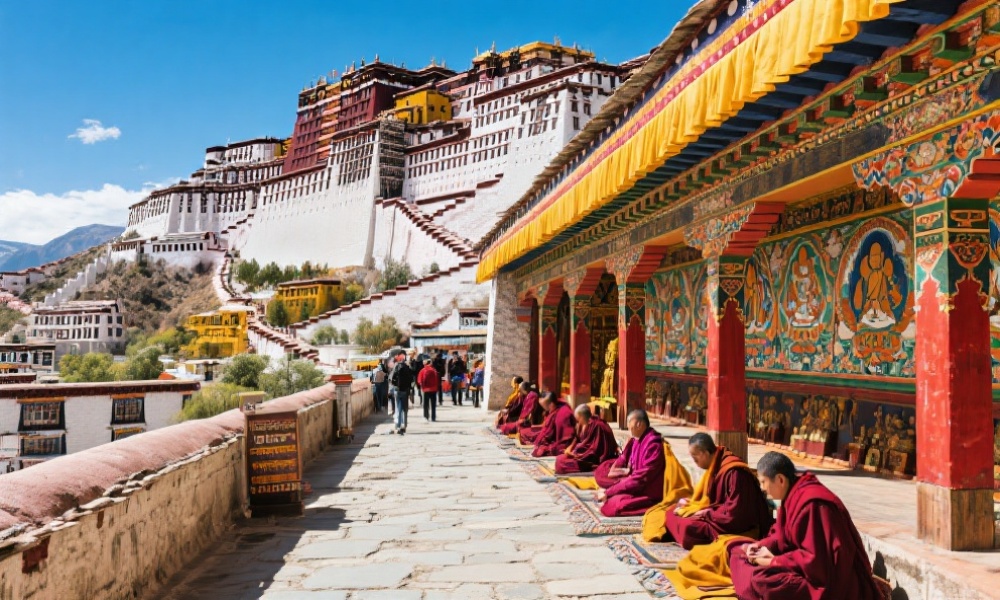
Lhasa, this sacred city situated on the roof of the world, possesses a charm that extends far beyond the majestic Potala Palace and the devout pilgrims. It is a living art palace, embodying the wisdom and aesthetics of Tibetan Buddhism spanning millennia. For travelers seeking a profound cultural experience, Lhasa is not merely a geographical arrival, but an immersion in spirit and art. XOOTOUR's expert destination column will plan an art-themed journey away from the hustle and bustle, leading you directly to the heart of culture and guiding you to decipher the unique artistic codes of this holy city.
The Pinnacle of Spirit and Architectural Epic
A cultural and artistic journey through Lhasa begins with its iconic landmark— the Potala Palace . This palace complex, built against the mountainside, is not only a World Heritage Site but also a symbol of the supreme power of Tibetan Buddhism. Its White Palace and Red Palace, respectively serving political and religious functions, form a unique dual structure.
Stepping into the Potala Palace, one is immediately struck by its breathtaking artistic achievements. The palace houses a vast collection of precious murals, stupas, sculptures, thangkas, and scriptures. The murals depict a wide range of subjects, including Tibetan history, Buddhist stories, biographies, and local customs, making them invaluable resources for the study of Tibetan history, culture, and art. The murals in the stupa of the Fifth Dalai Lama, in particular, with their flowing lines and vibrant colors, showcase the pinnacle of 17th-century Tibetan painting. These murals are not only a visual feast but also narrators of history, each stroke imbued with the artisans' devotion and wisdom. During your visit, it is recommended to slow down and savor these silent epics, feeling the power of faith and the vitality of art behind them.
Adjacent to the Potala Palace, the Jokhang Temple is another spiritual heart of Lhasa. It is not only a sacred site for Tibetan Buddhists but also an artistic treasure that blends architectural styles from Tibet, Tang Dynasty, Nepal, and India. The life-size statue of the twelve-year-old Shakyamuni Buddha enshrined within is one of the most sacred Buddhist statues in Tibetan Buddhism, attracting countless devotees to prostrate themselves in worship daily, its incense burning continuously for over a thousand years.
Barkhor Street , surrounding the Jokhang Temple, is a pilgrimage route brimming with life and artistic charm. It's not only a path for pilgrims but also a hub for trading traditional handicrafts, Tibetan clothing, and religious implements. Strolling along Barkhor Street, observing the dazzling array of goods, listening to the whispers of the prayer wheels, and experiencing the rich Tibetan culture is an indispensable part of experiencing Lhasa's vibrant culture. Here, art is no longer a lofty collection in temples but is integrated into the everyday life of the city.
Monastic institutions and sacred art
To truly understand Lhasa's cultural fabric, one cannot miss its historically significant monastic institutions. Sera Monastery , one of the three major Gelugpa monasteries, is renowned for its unique debating activities. Every afternoon, in the monastery's debating arena, monks engage in lively question-and-answer sessions, gestures, and body language to explore the profound meaning of Buddhist teachings. This vibrant learning method is not only an important component of the Tibetan Buddhist education system but also a visually striking cultural spectacle. Watching these debating sessions offers a direct experience of the wisdom and intellectual spirit of Tibetan Buddhism.
Another major Gelugpa monastery, Drepung Monastery , was once one of the largest monasteries in the world, boasting a rich historical heritage and a wealth of art collections. The monastery complex is vast, with interconnected halls, and its murals and thangka paintings are equally exquisite. Drepung Monastery was the mother monastery of the Dalai Lama and one of the power centers of the Gelugpa sect. Here, one can gain a deeper understanding of the organizational structure of Tibetan Buddhism, its system of scripture study, and its influence on Tibetan society. The numerous Buddha statues, ritual implements, and scriptures preserved within the monastery all demonstrate the superb craftsmanship of Tibetan artisans and their devout faith.
Artistic Narrative and Intangible Cultural Heritage Transmission
To gain a systematic understanding of Tibetan culture and art, the Tibet Museum is a must-visit. The museum houses a vast collection of prehistoric cultural relics, Buddhist art treasures, Thangka paintings, Tibetan medicine artifacts, and folk items. Through thematic exhibitions, it systematically showcases Tibet's long history, splendid culture, and unique natural landscape. Here, one can clearly see the development of Tibetan art, from ancient rock paintings to exquisite gilt bronze Buddha statues, from exotic masks to everyday utensils. Each exhibit is a microcosm of the civilization of the Tibetan Plateau, providing a grand backdrop for understanding the art of Lhasa.
As the summer palace of the Dalai Lama, Norbulingka is renowned for its exquisite garden art and murals. The palace architecture within the grounds is unique, especially the murals in the Dadan Mingyur Phodrang (New Palace), which depict the life story of Shakyamuni and major events in Tibetan history. Their delicate style and vibrant colors represent another peak in Tibetan mural art. Norbulingka is not only a place of rest for the Dalai Lama but also a culmination of Tibetan architecture, garden art, and painting.
In Lhasa, the preservation of intangible cultural heritage is a vital part of the living art experience. Thangka painting , a unique Tibetan art form, is not merely painting, but also a form of spiritual practice. A qualified Thangka requires strict adherence to Buddhist rituals; from canvas preparation, sketching, coloring, to gilding the face, every step embodies the artist's focus and devotion. In Barkhor Street or surrounding art workshops, you might encounter Thangka painters and observe the creation process of this ancient art up close. Furthermore, Tibetan opera (Aji Lhamo), a traditional Tibetan song and dance drama, tells ancient legends and stories through its unique singing style, masks, and performance forms. Being fortunate enough to witness a Tibetan opera performance is undoubtedly the most direct experience of the vitality of Tibetan art.
A cultural and artistic journey through Lhasa is an exploration that goes beyond the surface. It requires us to slow down, feel with our hearts, and go beyond mere visual spectacle to delve into the history, beliefs, and lives behind it. XOOTOUR looks forward to inviting you to embark on a profound dialogue between your soul and art on this sacred land.