
Lhasa on the Tip of Your Tongue: A Guide to the Authentic Flavors of the Holy City on the Plateau
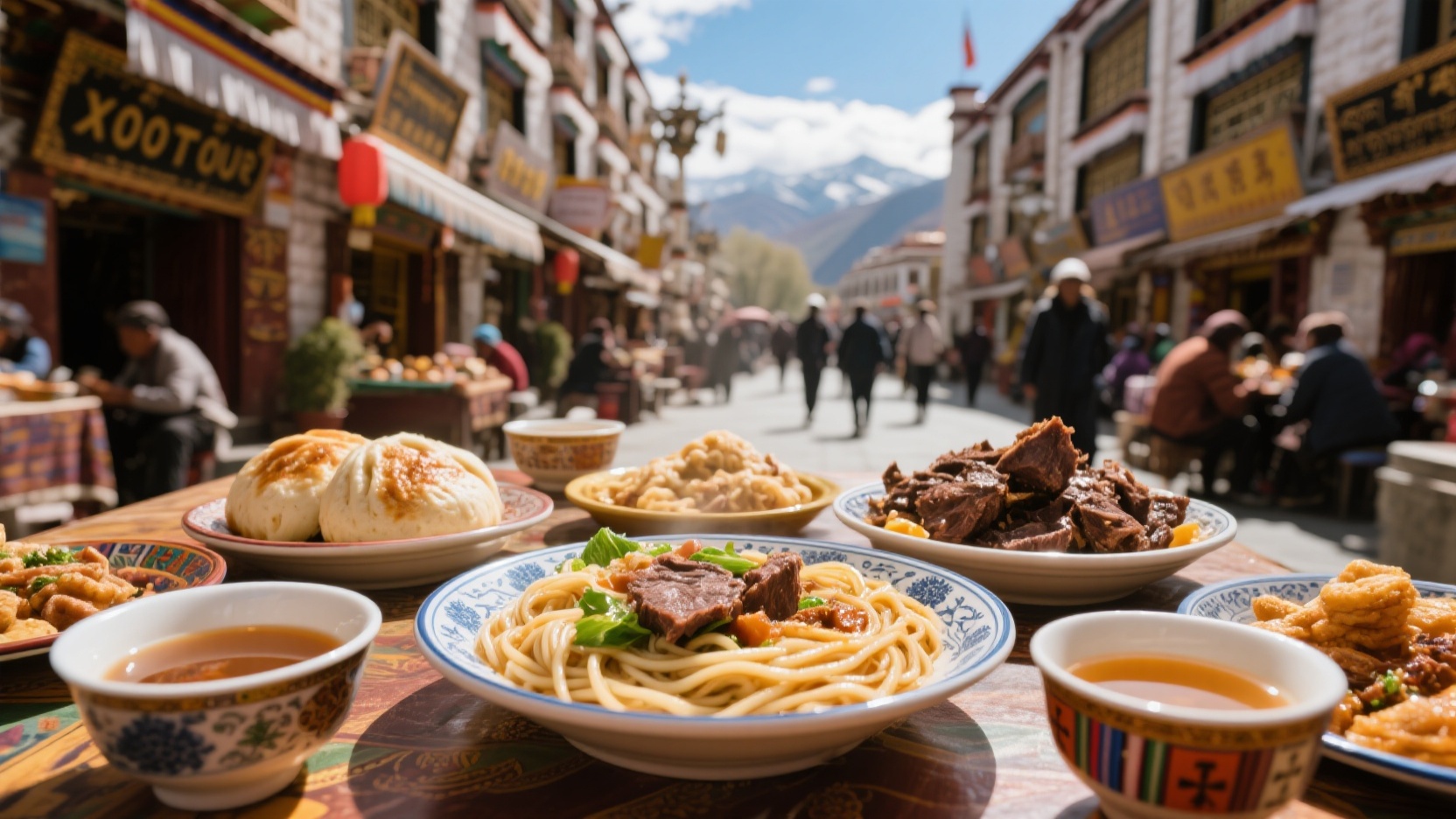
Lhasa's culinary culture is a direct reflection of its unique high-altitude geography and profound Tibetan Buddhist beliefs. The main ingredients are beef, mutton, barley, and dairy products, and the cooking methods are simple yet imbued with rich regional characteristics and a profound philosophy of life. For first-time visitors, understanding and tasting these authentic dishes is an important way to experience the pulse of this city.
Must-try signature dishes list
Tibetan noodles: A classic breakfast choice for Lhasa locals, Tibetan noodles are renowned for their unique texture and light broth. The noodles are typically handmade, giving them a chewy texture, and the broth is usually made with yak or mutton, resulting in a clear and flavorful soup. Served with a few thin slices of beef and a touch of scallions, a bowl of hot Tibetan noodles is the perfect way to start a day on the plateau.
Sweet tea and butter tea: These two drinks occupy a central place in the daily lives of Tibetans. Sweet tea has a sweet and mellow taste, made from black tea, milk, and sugar, and is an ideal accompaniment to Tibetan noodles and bread. Butter tea is made by mixing butter, brick tea, and salt, and has a salty and fragrant taste. It is rich in calories and can effectively alleviate the discomfort caused by altitude sickness, making it an essential drink for replenishing energy in high-altitude areas.
Tibetan buns: Similar in shape to Han Chinese steamed buns, but the filling is mainly fresh yak or mutton, usually without much seasoning to preserve the original flavor of the meat. Steamed Tibetan buns have thin skins and generous fillings, and are juicy and satisfying, making them a popular local delicacy. Some shops also offer pan-fried Tibetan buns, with a crispy exterior and delicious filling.
Tsampa: One of the staple foods of Tibetans, made from roasted barley ground into powder. To eat, tsampa powder is mixed with yak butter tea or milk curds, sugar, etc., and then shaped into balls by hand. It has a rustic texture and a unique aroma of barley, making it an indispensable part of experiencing traditional Tibetan food culture.
Yak meat: As a specialty of the high plateau, yak meat has a firm texture and unique flavor. In Lhasa, you can enjoy various forms of yak meat products, such as air-dried yak jerky, which has a chewy texture and is easy to carry; stewed yak meat, which is tender and has a rich broth; as well as yak meat skewers, yak meat cakes, etc. It is high in protein and low in fat, making it a nutritious and delicious food.
Tibetan yogurt: Unlike commercially available yogurt, Tibetan yogurt is typically fermented from yak milk, resulting in a thicker, richer flavor and higher acidity. Locals often add sugar or honey to balance its natural tartness. Tasting Tibetan yogurt allows you to experience the pure and authentic flavor of this high-altitude dairy product.
Local favorites for food
The alleys surrounding Barkhor Street: Although Barkhor Street is a popular tourist area, many long-established teahouses and restaurants frequented by locals are still hidden deep in its surrounding alleys. These shops often lack fancy decorations but attract diners with authentic flavors and affordable prices. For example, some snack shops near Jokhang Temple offer genuine Tibetan noodles and sweet tea.
Linkuo Road: Linkuo Road encircles Lhasa's old city, especially Linkuo North Road and Linkuo East Road, which are important areas for local residents' daily lives. Numerous small restaurants, teahouses, and sweet tea houses line the streets, making it the best place to experience Lhasa's daily cuisine. Food prices here are generally lower than in tourist areas, and you can taste more authentic home-style Tibetan food.
Deji Road and Tuanjie New Village: Deji Road is an important commercial street in downtown Lhasa, featuring both modern restaurants and some long-established Tibetan restaurants. The nearby Tuanjie New Village area, a residential area, is home to many affordable local eateries and markets, making it an ideal place to experience Lhasa's everyday life and savor authentic cuisine.
Tips for avoiding overpriced and overpriced shops and tourist attractions
Distinguishing between "trendy" and "authentic": Lhasa has seen a surge in "trendy" restaurants, often boasting exquisite decor and unique marketing strategies. However, some of these restaurants may not fully adhere to traditional flavors or charge inflated prices due to excessive packaging. Tourists are advised to refer to local diners' reviews or observe the number of local customers in the restaurant. Restaurants frequented by locals tend to offer better quality and value for money.
Dining Strategies in Scenic Areas: Restaurants within scenic areas, such as those around the Potala Palace and Jokhang Temple, are generally more expensive than those in the city center. Unless time is tight, it is recommended that tourists dine in nearby neighborhoods within walking distance after their visit. For example, restaurants on the outskirts of Barkhor Street or along Linkuo Road offer the same or even better quality food at more reasonable prices.
Price transparency: Before dining, be sure to carefully review the menu to confirm that the prices of the dishes are clearly marked. For dishes that are not priced, ask about the price in advance to avoid unnecessary disputes when paying the bill. This is especially important to pay attention to in some small restaurants or street stalls.
In Lhasa, slow down and use your taste buds to experience the unique charm and philosophy of life inherent in this holy city on the plateau.