
Forget about Xiaba Fang | A Dongguan native's firsthand experience: These 3 trendy artsy spots are ignored even by locals; the real gem is this 4.6-kilometer old street route.
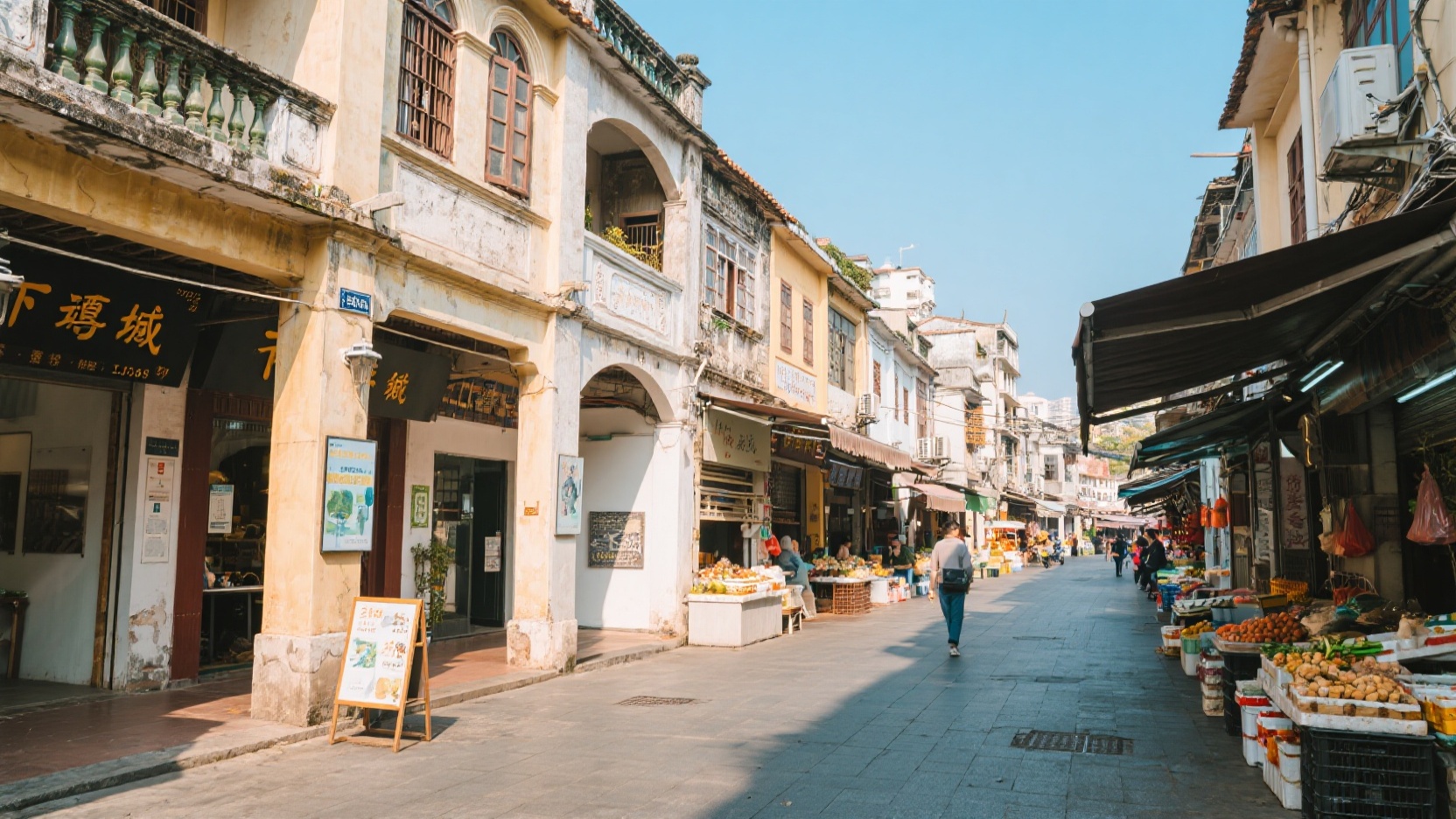
In Dongguan, I advise you to stop treating "Xiaba Fang" as an artsy destination—locals will only hurry past if they pass by. Those online guides that tout Xiaba Fang as "Dongguan's Gulangyu" are completely different from the daily lives of ordinary people in Dongguan.
I've lived in Dongguan for eight years, moved three times, and finally settled in the old town of Guancheng. To be honest, Dongguan's artistic side isn't in those filtered and romantic cultural and creative parks, but rather in the farmers' markets at 7 a.m., the shadows of the arcade buildings at 4 p.m., and the entrances to the small theaters at 9 p.m. This post won't focus on tourist attractions; it'll first tell you about three popular tourist spots that even locals wouldn't bother with, and then give you a walking route that I've measured out countless times.
First, a heads-up: Three trendy artsy spots that even locals wouldn't go into.
The first is Xiaba Fang. During the day, it's like a deserted village, with more bar signs than tourists; at night, it's just the same old quiet bars with string lights, and the alleys are so narrow that two people can only squeeze sideways. The so-called "good photos" rely entirely on high-saturation filters. Locals occasionally go to the other side of the river to eat, but they don't consider it a cultural and artistic destination.
The second one is Gongnong No. 8. The concept of renovating an old factory is great, but after walking around, apart from a few container coffee shops and graffiti walls, there's almost nothing to see. On weekends, the parking lot is busier than the exhibition area, and you have to wait for a booth. If you want to see real urban renewal in Dongguan, you're better off going to Keyuan Back Alley.
The third is Jianyuzhou Cultural and Creative Park. It was very popular when it first opened, but the occupancy rate has always been low. Many spaces are fenced off, and the so-called exhibitions are often empty. If you take a taxi there specifically to take photos, you will most likely end up with an empty plaza and a few antique-style walls.
A local's daily route: a 4.6-kilometer artistic stroll through Dongguan.
This route starts from Xicun Market in Guancheng, passes through Zhenhua Road Qilou Old Street, Kehu Lake outside Keyuan Garden, Lingnan Art Museum, then to the Cultural Weekend Theater, and ends at Xinguangming Market Night Market, covering a total distance of about 4.6 kilometers. If you're not in a hurry, it will take about four or five hours to walk and stop.
Best viewed from morning to evening in autumn and winter, avoiding the humid weather and summer afternoon downpours. Ideal for solo strolls, leisurely walks with parents, or those wanting to capture the details of local life and old buildings. No tickets, reservations, or special angles required.
Section 1: From Xicun Market to Zhenhua Road Arcade Street – Vegetable Market and Old Signboards
The first stop, Xicun Market, is worth a 10-minute stop, as it's the most vibrant kaleidoscope of colors in Dongguan's old town. Around 7 or 8 am, the stalls selling roast goose, handmade fish balls, and mountains of fried dough sticks and mugwort dumplings are more lively than any exhibition hall. Taking photos from the second-floor corridor looking down reveals a dense, layered street scene created by colorful parasols and lampshades. Nearby, you can grab a bowl of Daojiao meatball congee or pig's blood soup; a hearty meal for just over ten yuan per person.
Walking south along Zhenhua Road, you'll enter the old arcade street. The highlights of this section are the old signs that haven't been uniformly renovated, the old-fashioned herbal tea shops, and the state-run bakeries. Around four in the afternoon, the sunlight shines obliquely, casting long shadows on the arcade pillars. Standing under the arcades and taking photos of the street scene offers a natural glimpse into local life. Don't miss the small shops selling almond cookies and chicken biscuits; buy half a pound to eat as you walk.
Section Two: The Outer Area of Keyuan Garden and Lingnan Art Museum – Gardens Without Admission and Less Popular Exhibition Halls
Keyuan Garden is one of the four famous gardens in Guangdong, but most travel guides will tell you to buy a ticket to enter. Locals actually prefer to visit Kehu Lake and the lakeside walkways around the garden. You don't need to pay; just sit on the stone benches by the lake and you can see the gray-plastered sculptures, firecracker flowers, and their reflections at the back gate of Keyuan Garden. The best spot is on the small bridge on the north side of Kehu Lake; a low angle shot of the lake and the old buildings makes for easy and beautiful photos.
It's only a few minutes' walk from Kehu to the Lingnan Art Museum. The museum's name sounds official, but it updates its exhibitions frequently, often featuring small exhibitions by local artists—quiet and less crowded. The reason to stop for 10 minutes is simple: you can truly stand in front of the paintings and contemplate, without having to fight with internet celebrities for a good spot. The best photo spots are near the benches by the floor-to-ceiling windows on the second floor, where natural light streams in, creating a picturesque scene for those viewing the exhibits.
For dining options along this stretch of road, you can choose the old-established Guancheng Restaurant diagonally opposite the north gate of Keyuan Garden, where roast goose and dace balls are staples, costing only a few dozen yuan per person; or find a small shop along the canal that makes pork offal porridge, which is hot and inexpensive.
Section 3: From Cultural Weekend Theater to Xin Guangming Market – Street Theaters and Late-Night Markets
Cultural Weekend Theater is a long-established small theater in Dongguan, hosting local dramas, music, and stand-up comedy for a long time. The entrance is unassuming, with red brick walls and old-fashioned light boxes; in the evenings, program boards are displayed along the roadside. It's worth stopping for at least 10 minutes, not just for photos, but to glance at the monthly program; you might even catch a live performance by a local band. The best spot for photos is across the street from the theater entrance; waiting for a motorcycle or bicycle to pass by will create a scene with a strong sense of old-town narrative. There are many dessert shops nearby where you can enjoy a bowl of red bean soup with dried tangerine peel.
The final stop is the Xin Guangming Market night market. By day it's a wet market, but after 9 pm it transforms into a vibrant scene: roast goose noodles, beef offal, fried wontons, and charcoal-grilled oysters, one stall after another. It's worth stopping for 10 minutes to see how Dongguan locals turn the market's fluorescent lights into a late-night food stage. The best spot is on the slope at the market entrance, framing the crowds and the rising smoke from the stalls. Don't be shy here; just pick the busiest beef offal stall and sit down—a meal will cost only a few dozen yuan per person.
In closing: 5 things you shouldn't ask locals about that I didn't tell you.
First, you can take a look at Xiabafang, Gongnong No. 8, and Jianyuzhou, but don't expect any cultural or artistic content; just take some photos and leave.
Secondly, it's best to go to Xicun Market in the morning, as many cooked food stalls close up shop in the afternoon; conversely, Xin Guangming Market is bustling with activity after 9 pm.
Third, the Cultural Weekend Theater does not have performances every day, so check the monthly schedule before you go to avoid missing out.
Fourth, walking the entire route is the most comfortable way to go; riding a shared bike will make you miss the details under the arcades and the smells in the alleys.
Fifth, autumn and winter are the best seasons to travel this route in Dongguan. In summer, please prepare water and mosquito repellent, and don't try to tough it out.