
Tracing the Flavors of Dongguan: A Pictorial Guide to Authentic Dongguan Cuisine, the City's Culinary Delights
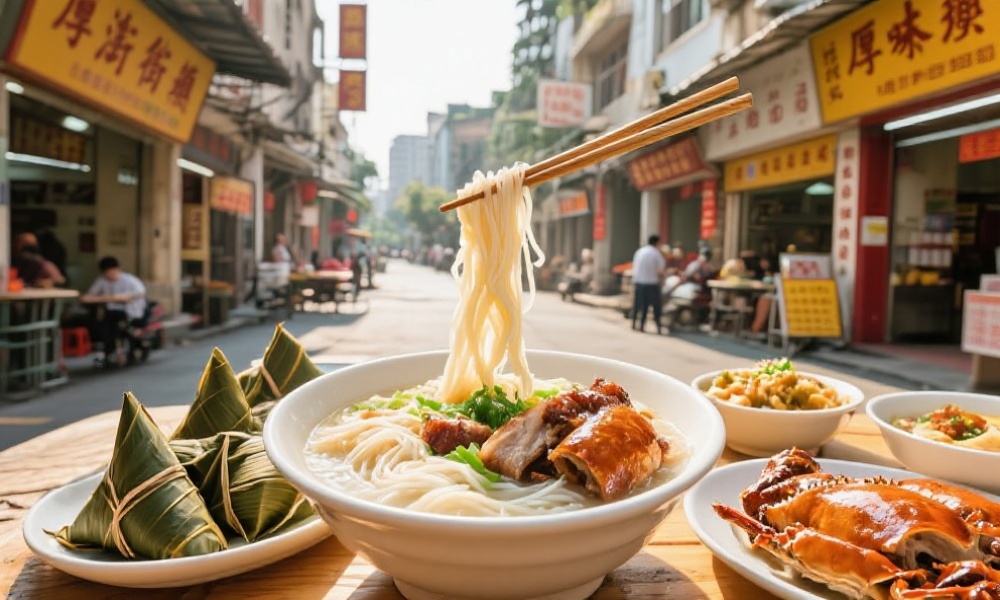
Dongguan, a city renowned for its manufacturing, often overlooks its culinary culture. However, delving into its streets and alleys reveals that Dongguan's cuisine inherits the essence of Cantonese cuisine while incorporating unique local flavors and ingredients, creating a distinctive "Dongguan flavor." The food here is unassuming and understated, quietly attracting diners with its high-quality ingredients, exquisite cooking techniques, and rich historical heritage. This article will reveal the secrets of Dongguan's flavors, from signature dishes to hidden gems, helping you avoid tourist traps and deeply experience the city's vibrant atmosphere.
Must-try signature dishes list
Dongguan boasts a rich and diverse culinary culture. Here are some of the most representative local dishes, which are not only part of the daily lives of the locals but also a microcosm of the city's flavors.
Houjie Roast Goose Rice Noodles: As a signature dish of Dongguan cuisine, Houjie Roast Goose Rice Noodles are renowned for their unique preparation process and rich flavor. Local high-quality black-bristled geese are selected, marinated in a secret sauce, and then roasted at high temperatures, resulting in crispy skin and tender, juicy meat with a distinctive smoky aroma. The rice noodles are made from high-quality rice flour, handcrafted for a smooth and chewy texture. The roast goose is chopped and placed on top of the noodles, then drizzled with a clear broth simmered for hours with goose bones. The broth is rich yet not greasy, and the goose fat and the delicate fragrance of the rice noodles blend perfectly, creating a truly exceptional taste experience.
Humen Crab Congee: Located at the mouth of the Pearl River, Humen boasts abundant seafood resources, and this congee is a gift from that abundance. It uses plump, local crabs in season, known for their rich roe and sweet, fresh meat. Cooked with high-quality rice, the congee is smooth and creamy, with each grain absorbing the essence of the crab. The sweetness of the crab meat and the richness of the crab roe intertwine in the congee, each bite bursting with the freshness of the ocean. Light yet incredibly flavorful, it's a nourishing and healthy delicacy.
Tangxia Braised Goose: Braised goose is one of the representative dishes of Dongguan Hakka cuisine, especially Tangxia Braised Goose. Its preparation is meticulous. A whole goose is placed in a large pot with various spices (such as star anise, cinnamon, and dried tangerine peel), soy sauce, and rock sugar, and then repeatedly turned and simmered over low heat until the goose meat is tender, flavorful, and golden-yellow in color. The characteristic of braised goose lies in the fact that its rich sauce has completely penetrated into the goose meat fibers, resulting in tender skin, fragrant meat, and meat that easily separates from the bone. It has a mellow taste and a long-lasting aftertaste, making it a perfect accompaniment to rice and wine.
Shilong Bean Curd Skin Chicken: Shilong Bean Curd Skin Chicken holds a place in Dongguan cuisine for its unique taste and flavor. Fresh Sanhuang chicken is selected and prepared by poaching or steaming to preserve the original flavor of the meat. Its essence lies in the accompanying bean curd skin, made from high-quality dried bean curd skin, fried until golden and crispy, with a light texture. When served, the bean curd skin is placed on top of the chicken and drizzled with a special soy sauce. The tenderness of the chicken contrasts sharply with the crispiness of the bean curd skin, while the savory soy sauce enhances the overall flavor, making it fragrant but not greasy.
Xiansha Fish Balls: Xiansha fish balls are a traditional delicacy from the water towns of Dongguan, renowned for their bouncy and smooth texture and pure fish flavor. Fresh mud carp or grass carp are selected, the fish meat is scraped by hand, repeatedly pounded into a paste, then a small amount of starch and seasonings are added before being squeezed into balls. Once cooked, the fish balls are white and translucent, with a springy texture and no fishy taste, only the sweetness of the fish. They are usually served in a clear soup or with a few side dishes, and are a representative snack for experiencing the charm of Dongguan's water towns.
Daojiao Zongzi: Daojiao Zongzi is a traditional festival food with distinctive local characteristics in Dongguan, differing from Cantonese Zongzi. It has a unique pyramid shape and is rich in ingredients, typically including glutinous rice, pork, salted egg yolk, mung beans, and shiitake mushrooms. The glutinous rice is seasoned with soy sauce and other spices, giving it a golden-brown color. After steaming, the rice grains become soft and sticky. The pork is fatty but not greasy, the salted egg yolk is oily, and the mung bean paste is smooth. The flavors of the various ingredients permeate each other, creating a complex and harmonious savory aroma. Its unique flavor and preparation process make it an important part of Dongguan's culinary culture.
Baisha Oil Duck: Baisha Oil Duck is a traditional specialty of Baisha Village in Humen, with a history of over a hundred years. It is made from local Muscovy ducks through a series of meticulous processes including slaughtering, marinating, sun-drying, and air-drying. The duck is golden in color, with firm skin and meat, and exudes a unique aged aroma. Its flavor is savory and rich, and the meat is firm and chewy. It is typically sliced and steamed or cooked with vegetables, making it a perfect accompaniment to meals and drinks, as well as a distinctive souvenir for relatives and friends.
Local favorites for food
To truly experience the authentic cuisine of Dongguan, it's key to avoid tourist hotspots and explore neighborhoods frequented by locals.
The old streets of Guancheng (Zhenhua Road, Daxi Road, and Zhongshan Road area): This is the historical and cultural center of Dongguan, preserving a large number of arcade buildings and time-honored shops. In the morning, you can find authentic Cantonese dim sum, rice noodle rolls, and congee; in the afternoon, there are various traditional sweet soups and snacks. These small shops on the streets often lack fancy decorations, but they carry the taste memories of several generations.
Houjie Town Center: As the birthplace of Houjie roast goose rice noodles, Houjie Town is naturally the first choice to taste this delicacy. Hidden in the residential areas and around the market in Houjie are many family workshops and old shops that make roast goose rice noodles, with a more authentic taste.
Humen Town (Taiping Market and surrounding area): Humen is famous for its seafood, and Taiping Market is the main place for locals to buy seafood and enjoy seafood stalls. Here, you can taste the freshest crab porridge, seafood stir-fries, and more, at relatively affordable prices.
Shilong Town (Zhongshan Road, Jinsha Bay): Shilong Town boasts a long commercial history and a distinctive culinary culture. The Zhongshan Road area is home to many long-established restaurants, making it a great place to sample traditional Shilong delicacies such as Shilong bean curd chicken and maltose pomelo peel.
Changping Town and Zhangmutou Town: These two towns, due to their geographical location and population composition, blend Cantonese and Hakka flavors. In the markets or old streets of these towns, you can find a wider variety of local snacks and specialty dishes, making them a great choice for experiencing different regional flavors.
Tips for avoiding overpriced and overpriced shops and tourist attractions
When exploring Dongguan's culinary delights, how to avoid disappointment and find truly worthwhile food is a concern for every visitor.
A rational view of trendy online restaurants: These restaurants often focus on packaging and marketing, and their product quality and taste may vary greatly, sometimes even with excessive markups. It's recommended to consult local food forums or review websites for shops with a large number of genuine user reviews and a stable reputation when choosing a trendy restaurant. More importantly, prioritize established local establishments or small neighborhood shops frequented by locals, as these usually win customers with good taste and value for money.
Avoid high-priced dining areas within tourist attractions: Restaurants and food stalls inside tourist sites often have higher prices due to their convenient location, and their flavors may have lost their authentic character in order to cater to the masses. It is recommended to walk to nearby residential areas or commercial districts to find food before or after visiting the scenic area. Usually, just a few hundred meters away from the core area of the scenic spot, prices will become more reasonable, and you will find more authentic options.
Observe local foot traffic: A simple and effective criterion is to observe the local foot traffic. If a restaurant is packed during peak hours, and most of the diners are local residents, then the authenticity and taste of the food are usually guaranteed. Conversely, if a restaurant is deserted or mainly caters to tourists, you should choose it with caution.
Ask the locals: Don't be shy about asking locals, taxi drivers, or hotel staff for recommendations. They are often the "living maps" of local cuisine, able to guide you to those hidden gems tucked away in alleyways.
Pay attention to the menu and prices: Carefully review the menu and note the prices before ordering. For common home-style dishes or snacks, if the prices are significantly higher than the market average, there may be a markup. Authentic Dongguan snacks and home-style dishes are usually reasonably priced.
Slow down and experience the vibrant atmosphere of Dongguan through your taste buds. Every dish carries the unique story and warmth of this city.