
Lhasa
lasa
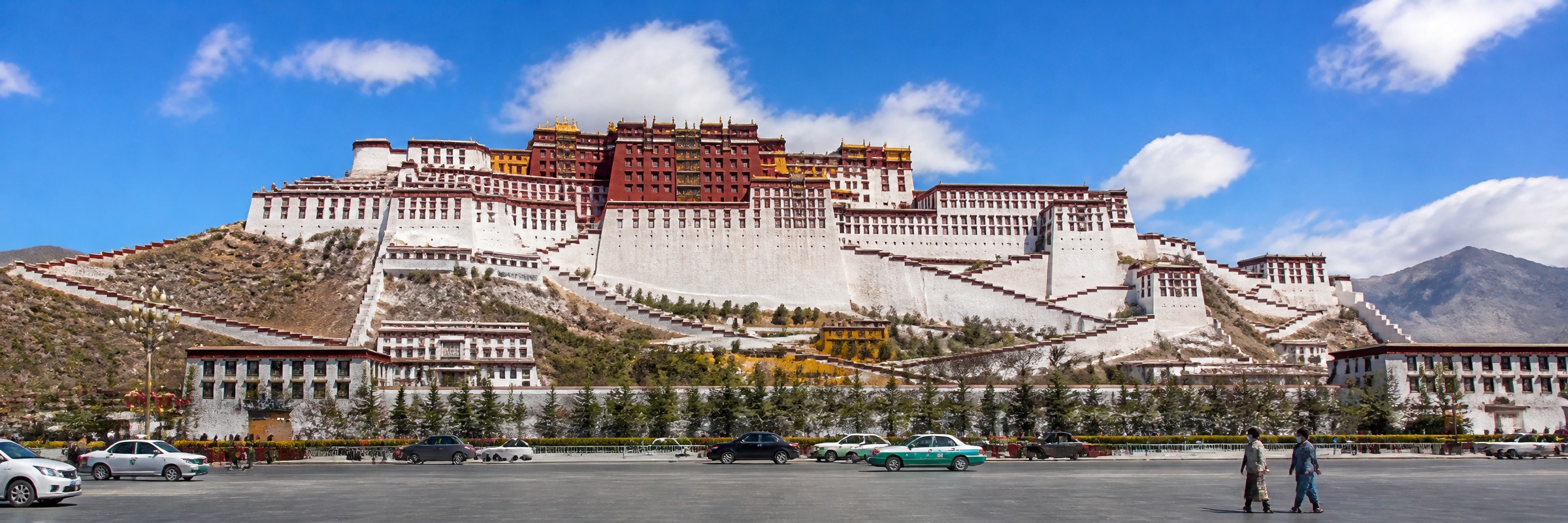
Welcome to Lhasa, the sacred land of snow-covered mountains known as the "City of Sunlight." As you set foot on this plateau with an average altitude exceeding 3,600 meters, the first thing that catches your eye is the majestic Potala Palace, perched atop Red Mountain. It is not only a spiritual symbol of the Tibetan people but also a treasure of World Heritage. Here, the air is filled with the aroma of yak butter tea and the fragrance of incense smoke, while the whispers of lamas chanting and the rustling of prayer wheels echo in your ears. Lhasa is more than just a geographical location; it is a way of life, a steadfast commitment to faith, and a wisdom of harmonious coexistence with nature. Follow Xootour to explore the streets and alleys of Lhasa, experience its unique charm, and let your soul be cleansed and uplifted in this pure land.
 181 Spots
 0 Stores
City Introduction

Lhasa is located at 29.65°N, 91.1°E in China. With a population of about Approximately 800,000+, it uses Renminbi (CNY) and operates in the UTC+8 (Beijing Time) timezone.

Exploring Lhasa: The City of Sunlight, a Spiritual Journey Through the Snowy Plateau
Lhasa, meaning "holy land" or "land of Buddha" in Tibetan, is the capital of the Tibet Autonomous Region and one of the highest cities in the world. With its unique natural scenery, profound religious culture, and captivating historical heritage, it attracts countless travelers from around the world. Here, you can feel the power of faith, experience authentic Tibetan culture, and let your soul be cleansed under the high-altitude sun.
History and Culture: The Charm of an Ancient Capital
Lhasa's history can be traced back to the Tubo Dynasty more than 1,300 years ago. In the 7th century AD, Songtsen Gampo unified Tubo, moved the capital to Lhasa, and built the prototype of the Potala Palace there. Subsequently, Lhasa gradually developed into the political, economic, cultural, and religious center of Tibet. Through a thousand years of history, Lhasa has accumulated a rich historical and cultural heritage; every brick and tile tells an ancient story, and every street is filled with devout faith.
Must-see attraction: A temple of faith and art
Potala Palace: A Pearl on the Roof of the World
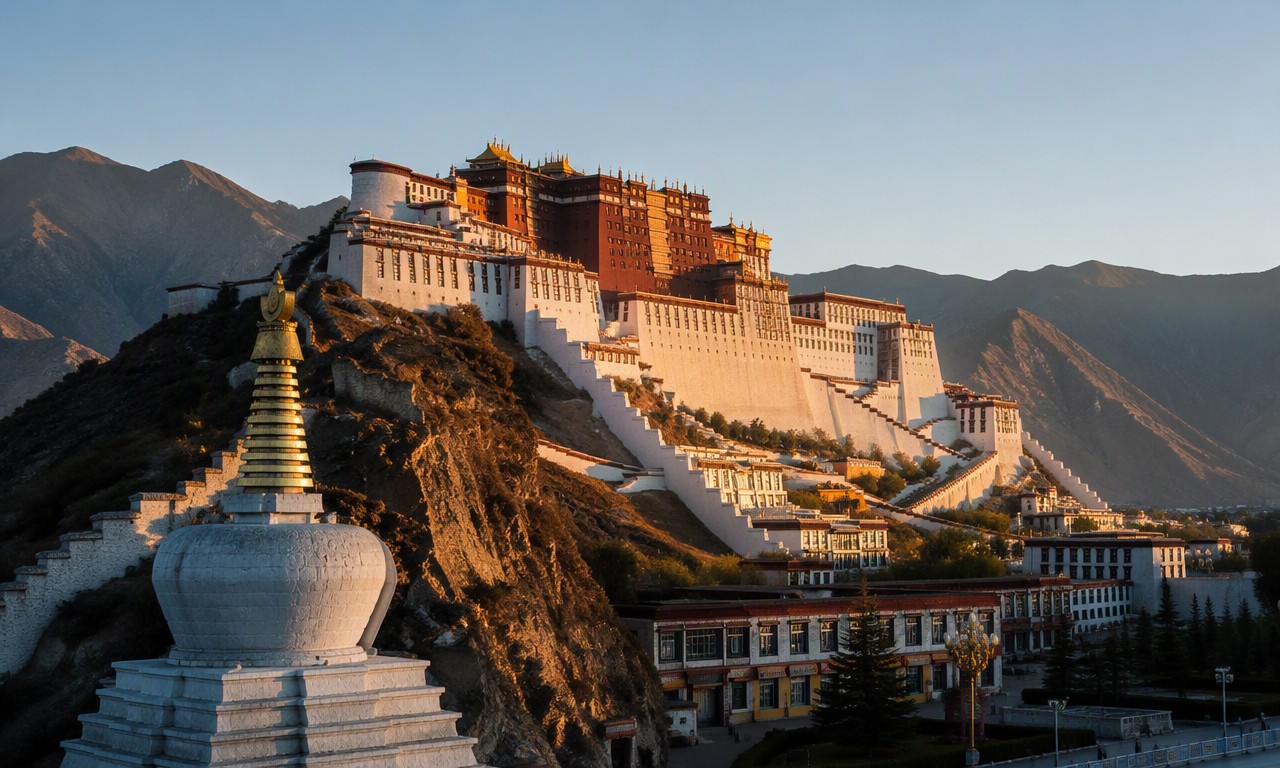
As a World Heritage Site, the Potala Palace is an iconic building in Lhasa and even Tibet. It integrates palaces, castles, and monasteries, and is magnificent and imposing. It was once the winter palace of the Dalai Lama and is a sacred site of Tibetan Buddhism. Visiting the Potala Palace allows you not only to appreciate its exquisite architectural art, precious murals and Buddha statues, but also to feel its profound religious atmosphere and rich history.
Jokhang Temple: The Center of Tibetan Buddhism
Jokhang Temple is one of the oldest temples in Lhasa and the central temple of Tibetan Buddhism. It houses a life-size statue of the 12-year-old Shakyamuni Buddha, considered the most sacred Buddha image in Tibetan Buddhism. In front of the Jokhang Temple, you will see countless pilgrims prostrating themselves and circumambulating the temple, experiencing their devotion. The surrounding Barkhor Street is a great place to experience Tibetan culture and buy unique souvenirs.
Barkhor Street: Experiencing the fusion of everyday life and faith
Barkhor Street, surrounding the Jokhang Temple, is Lhasa's most distinctive historical district. It serves as a pilgrimage route for worshippers and a bustling market. Strolling along Barkhor Street, you can savor authentic Tibetan cuisine, browse a dazzling array of handicrafts, and experience Lhasa's vibrant atmosphere and unique cultural charm.
Drepung and Sera Monasteries: Cradles of the Gelug School
These two monasteries are two of the six major monasteries of the Gelug school of Tibetan Buddhism, grand in scale and renowned for their flourishing incense offerings. Drepung Monastery was once the largest monastery in the world, while Sera Monastery is famous for its debating activities. At Sera Monastery, you can personally experience the intense debates among the lamas and feel the unique learning methods of Tibetan Buddhism.
Norbulingka: The Dalai Lama's Summer Palace
Norbulingka, meaning "Garden of Treasures," was the summer palace of the Dalai Lamas and is the largest and most exquisite garden in Tibet. Shaded by lush trees and bursting with flowers, it is a popular summer retreat in Lhasa. The garden boasts a unique architectural style, blending the essence of Han and Tibetan garden art.
Unique Experience: Delving into the Essence of Tibetan Culture
Prayer Wheels and Prostrations: The Practice of Faith
In Lhasa, devout believers can be seen everywhere circumambulating prayer wheels and prostrating themselves. You can choose to participate in the circumambulation on Barkhor Street outside the Jokhang Temple, experiencing this unique religious ritual and feeling the power of faith.
Savoring Tibetan Cuisine: A Taste of the Highland
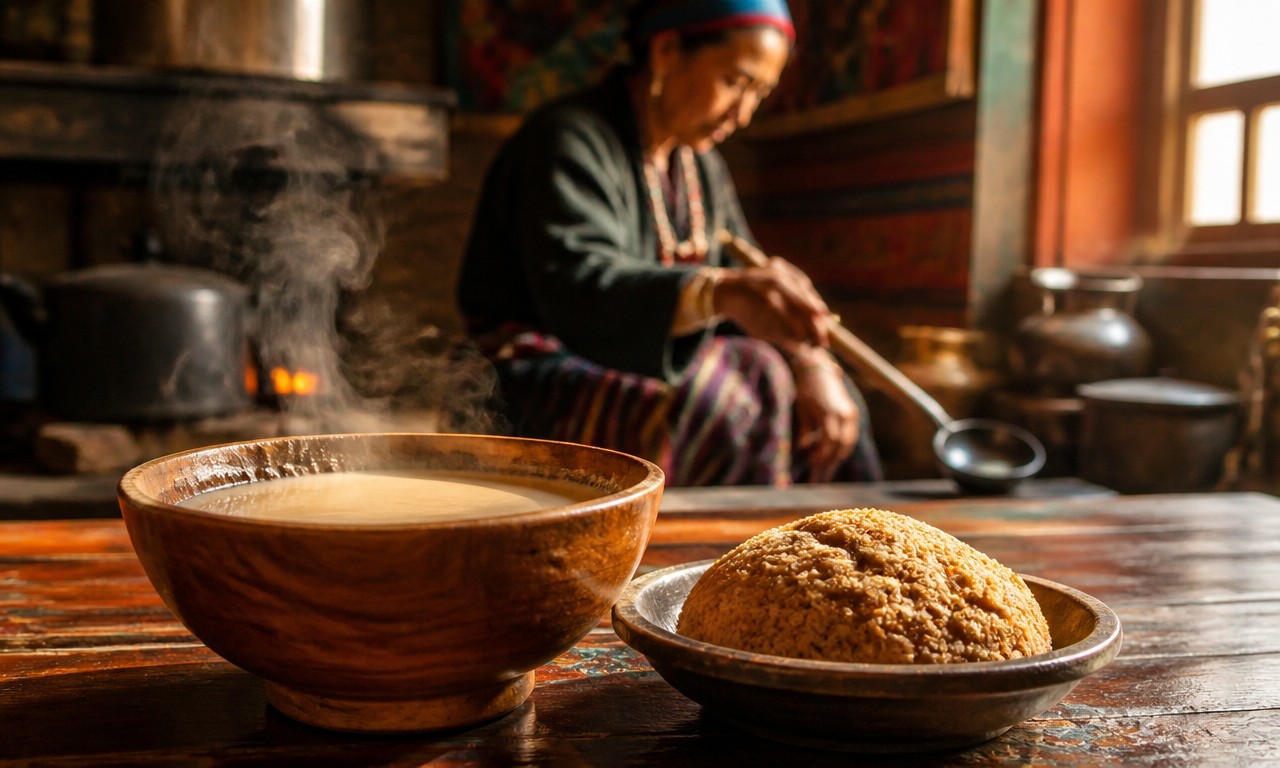
Butter tea, sweet tea, tsampa, Tibetan noodles, yak meat, barley wine… Lhasa's cuisine is full of rich regional characteristics. Why not step into a teahouse, taste authentic butter tea and sweet tea, and experience the hospitality of the Tibetan people?
Watching a Tibetan Opera Performance: The Passing Down of Art
Tibetan opera is a unique traditional art form of the Tibetan people, combining song, dance, storytelling, and masks. During specific festivals or in theaters, you can enjoy wonderful Tibetan opera performances and learn about the rich folk tales and myths of the Tibetan people.
Thangka Art: A Painting of the Snowy Plateau
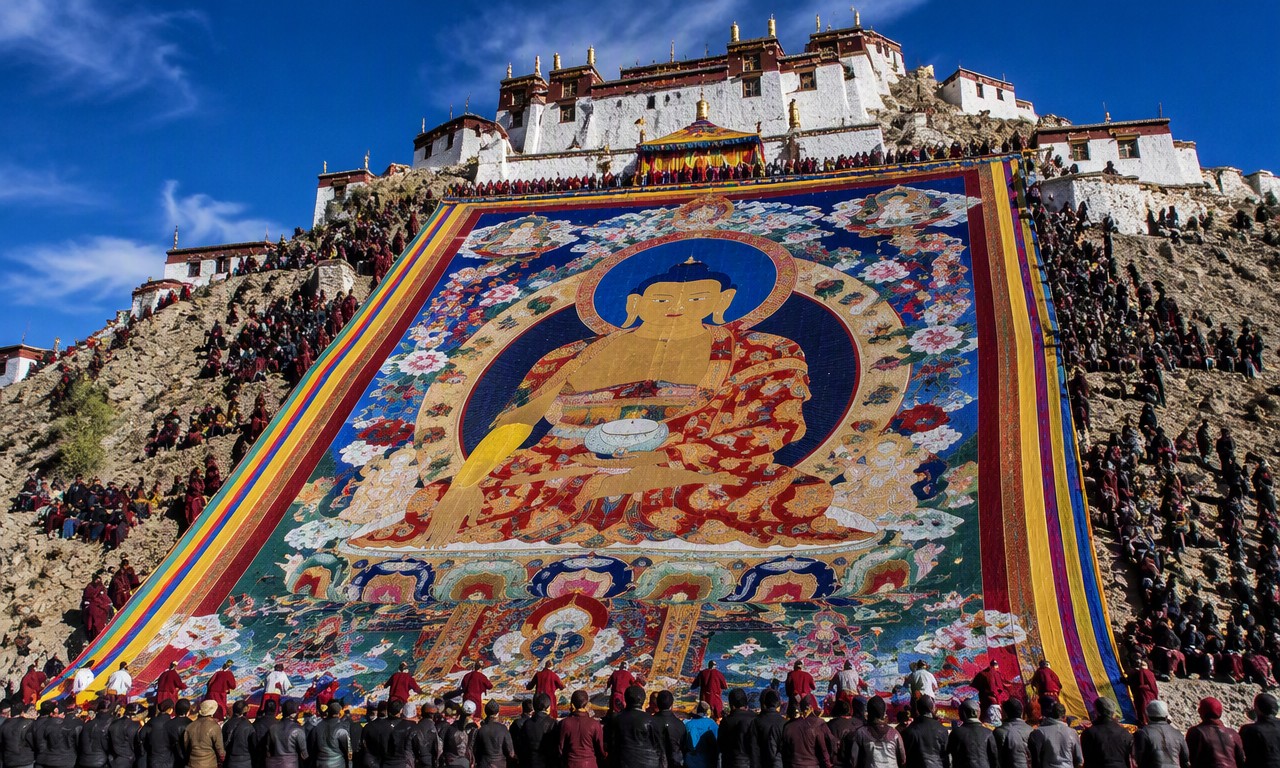
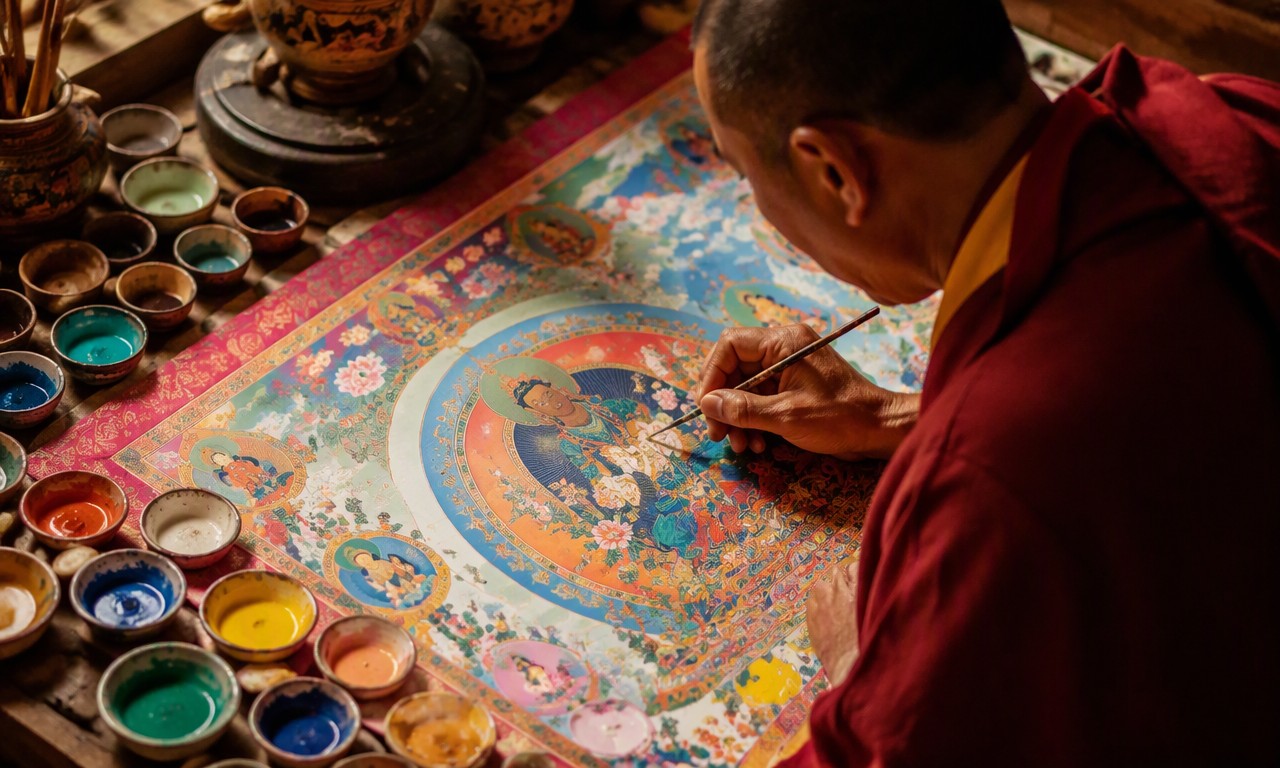
Thangka is a unique type of Tibetan scroll painting, mostly depicting religious themes, and is exquisitely drawn with vibrant colors. In art shops or temples in Lhasa, you can admire beautiful Thangka works and even have the opportunity to learn about their painting techniques.
Practical Information and Precautions
Best time to travel
Spring (April-May) and autumn (September-October) are the best times to visit Lhasa, with pleasant weather and plenty of sunshine, avoiding the summer rainy season and the harsh winter. However, summer (June-August) is also the peak tourist season, with relatively high temperatures, making it a good time to escape the heat.
Altitude sickness
Lhasa has a high altitude, and first-time visitors to Tibet may experience altitude sickness. It is recommended to take medications such as Rhodiola rosea in advance, rest well after arriving in Tibet, avoid strenuous exercise, drink plenty of water, and maintain a positive attitude. If you experience severe discomfort, please seek medical attention promptly.
Respect local customs
The Tibetan people are warm and hospitable, but they also have unique customs and traditions. Please remove your hat when entering a temple, refrain from making noise, and do not take photos without permission. When interacting with locals, please be friendly and respectful.
The area surrounding Lhasa: a wider expanse of snowy landscapes
If time permits, consider extending your trip to the areas surrounding Lhasa. The three holy lakes of Yamdrok Lake, Namtso Lake, and others are breathtaking with their stunning scenery; the peach blossoms of Nyingchi and the majestic Namcha Barwa Peak will add even more unforgettable memories to your Tibet journey.
Lhasa is more than just a destination; it's a spiritual cleansing, a profound reflection on life and faith. Xootour cordially invites you to step onto this mystical land and embark on an extraordinary journey through the snowy plateau!
Popular Spots
Recommended Stores
Cultural & Art Tour
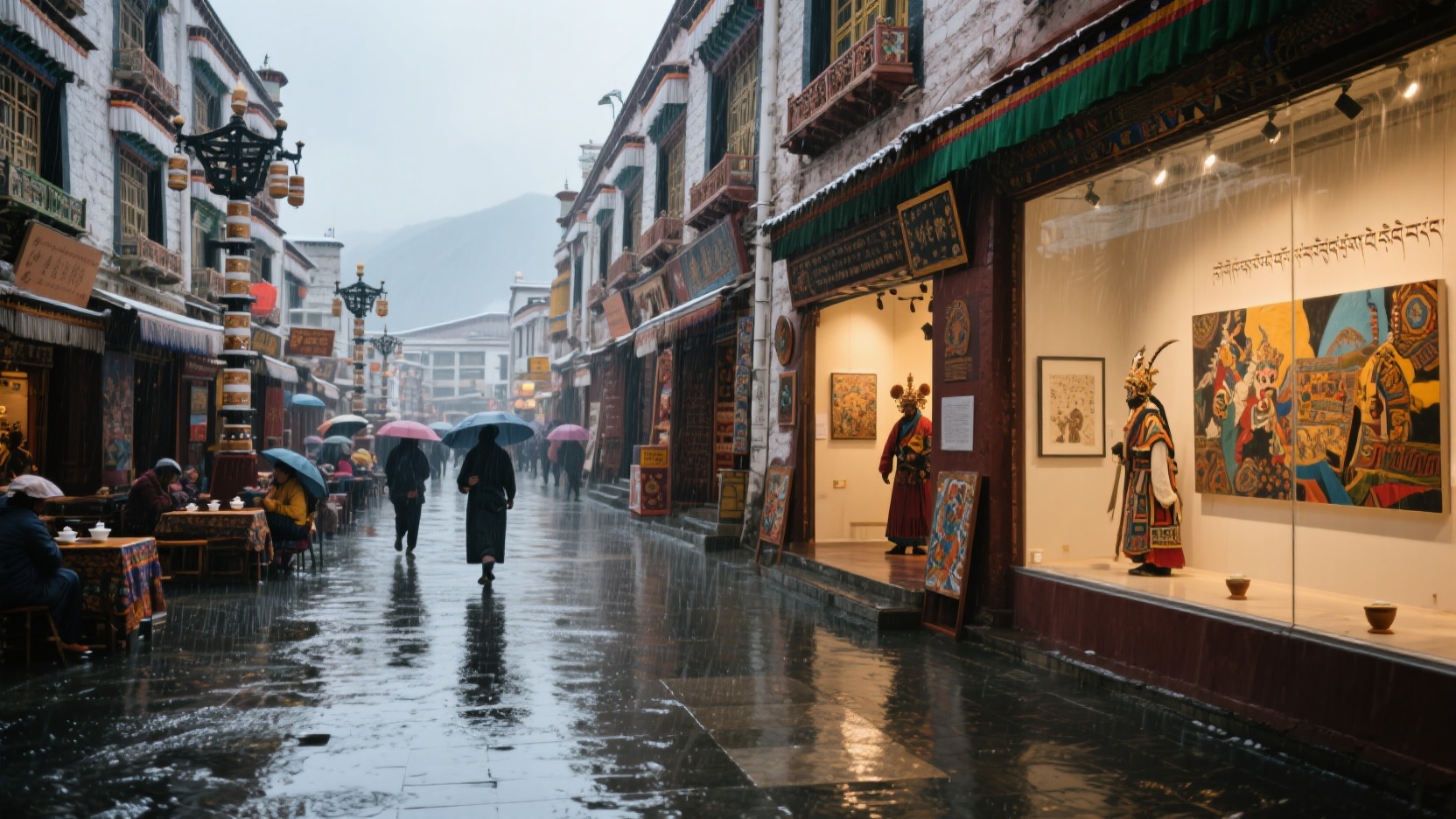
Don't wade in puddles on Barkhor Street when it rains in Lhasa | Local's Guide to Avoiding Pitfalls: 6 Indoor Art Venues You Can Spend a Day In—No Getting Rained or Sunburned
Don't go wading in puddles on Barkhor Street in Lhasa on rainy days? Locals have tested this and found a way to avoid the pitfalls: This Lhasa indoor cultural and artistic route connects museums, art
文化中心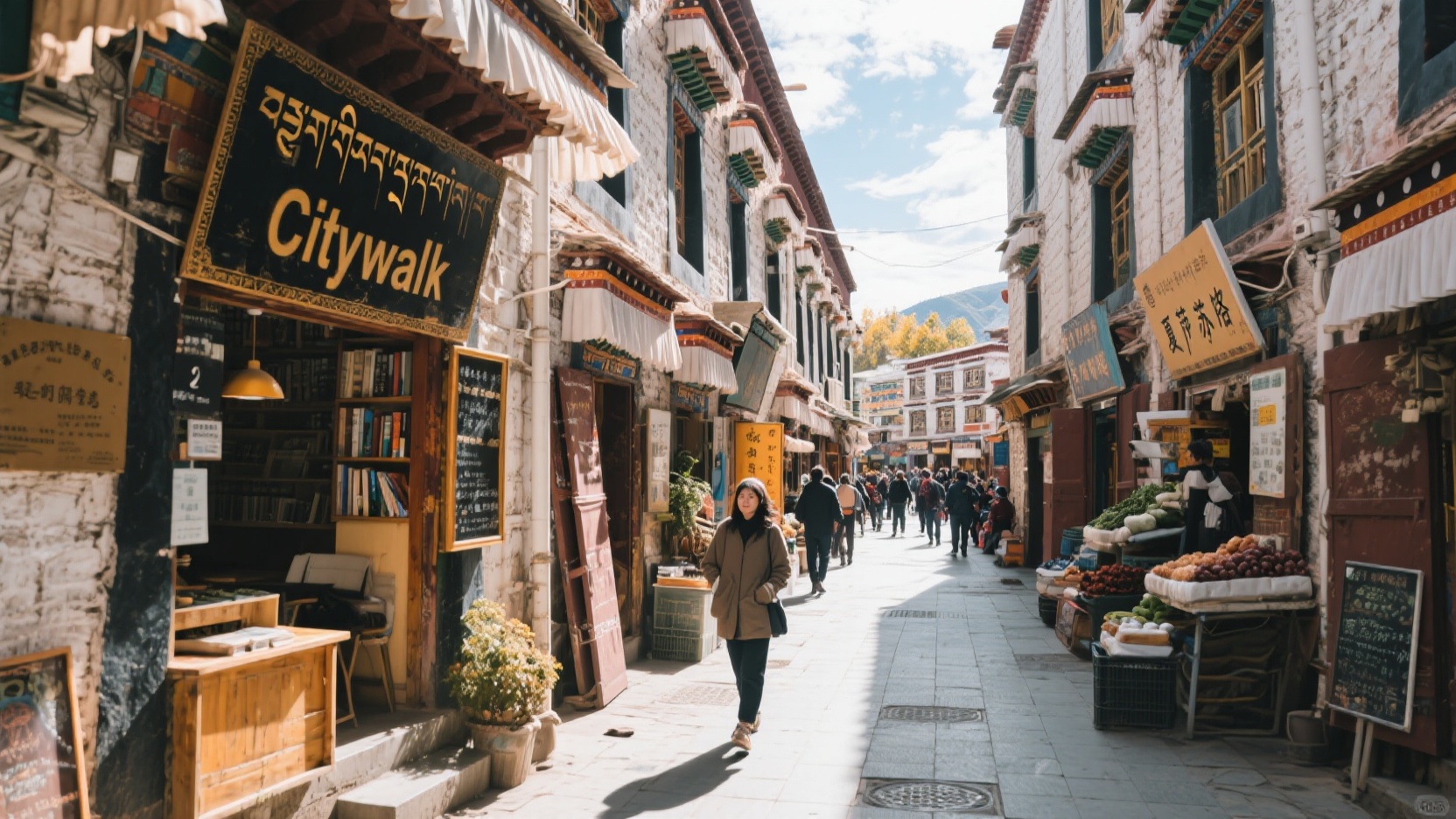
Wandering through the alleys of Lhasa's Old City | A 3-hour Citywalk experience to avoid the crowds and enjoy an artistic atmosphere (including 2 side routes)
This Lhasa Citywalk route, personally tested and tested, avoids the crowds on the main Barkhor Street, connecting the old city alleys, Chongsaikang Market, Danjielin Alley, and independent cafes on Xi
文化中心Featured Stays
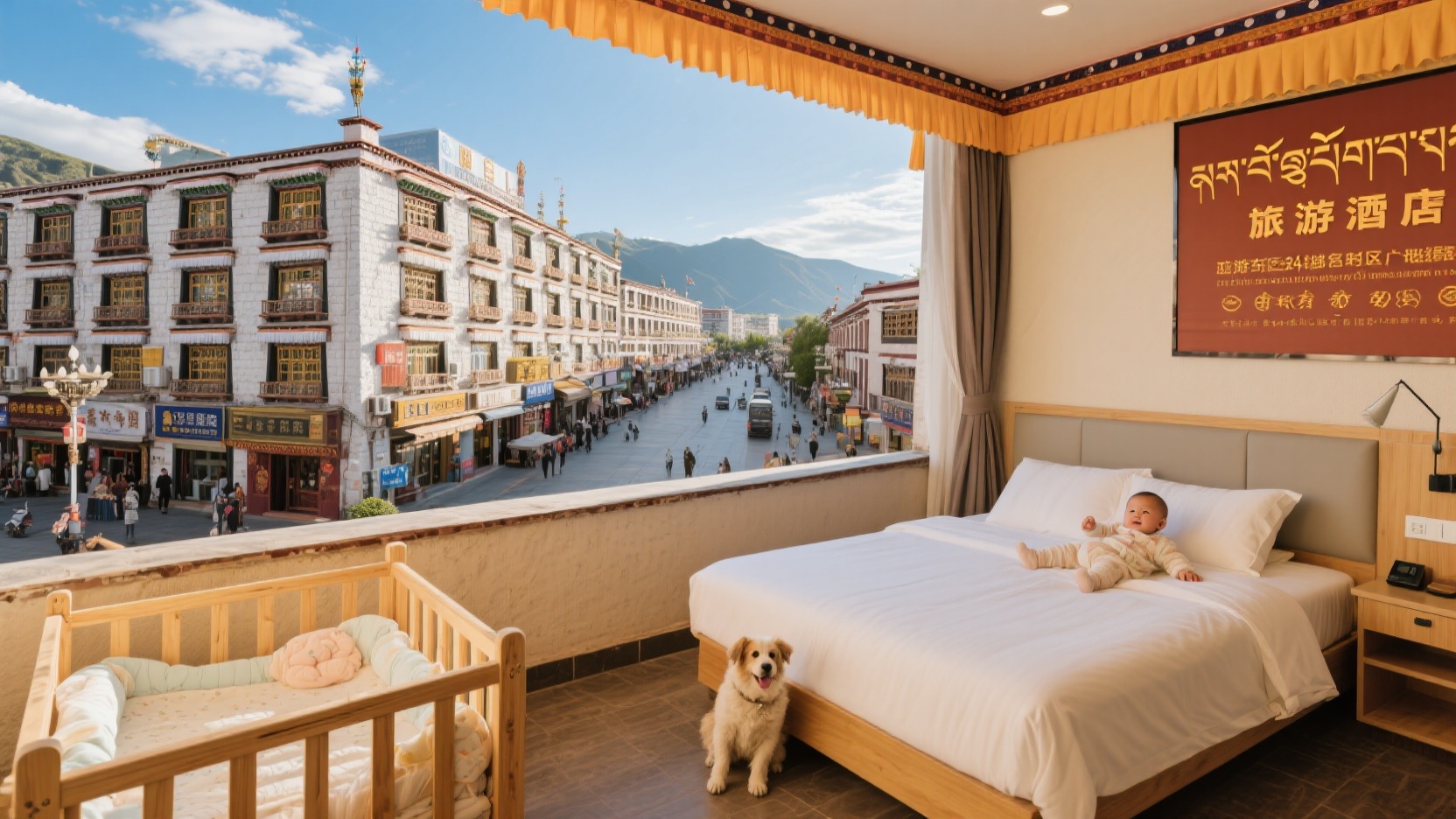
Lhasa Accommodation Avoidance Tips | Avoid Barkhor Street if you're traveling with infants or pets and arrive in the early morning. Locals recommend these 3 areas to avoid bad accommodations.
A Lhasa local's firsthand experience warns: Those traveling with infants under 2 years old, multiple pets, or catching an early morning flight should absolutely avoid staying in the Barkhor Street old
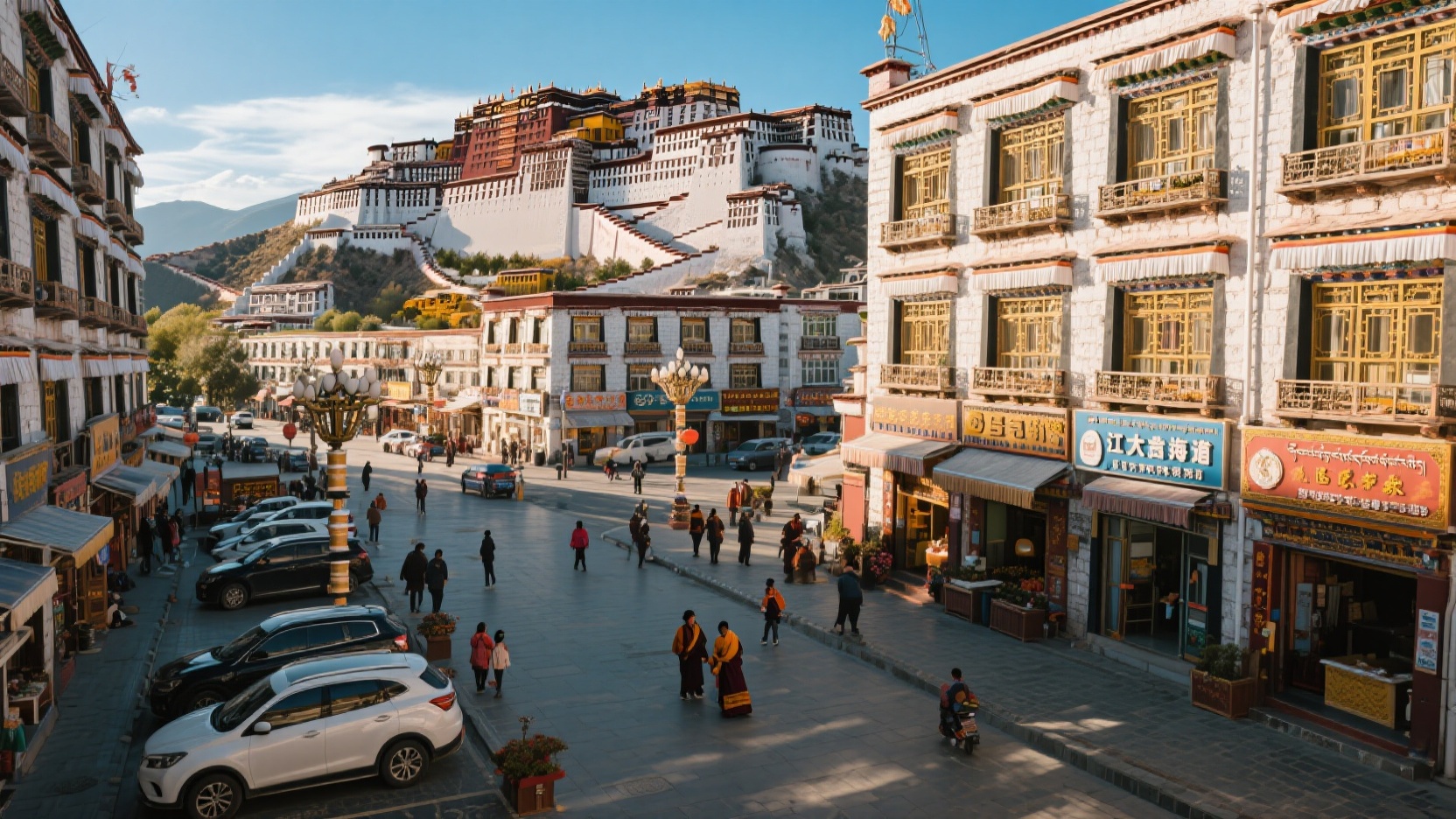
Lhasa Accommodation Avoidance | Local Testimonials: Avoid These 3 Popular Spots, These 5 Are the Really Worth Staying At
A must-read guide to avoiding accommodation pitfalls in Lhasa: A local traveler who has lived in Lhasa for 5 years exposes the real pitfalls of the three most popular accommodation areas: Barkhor Stre
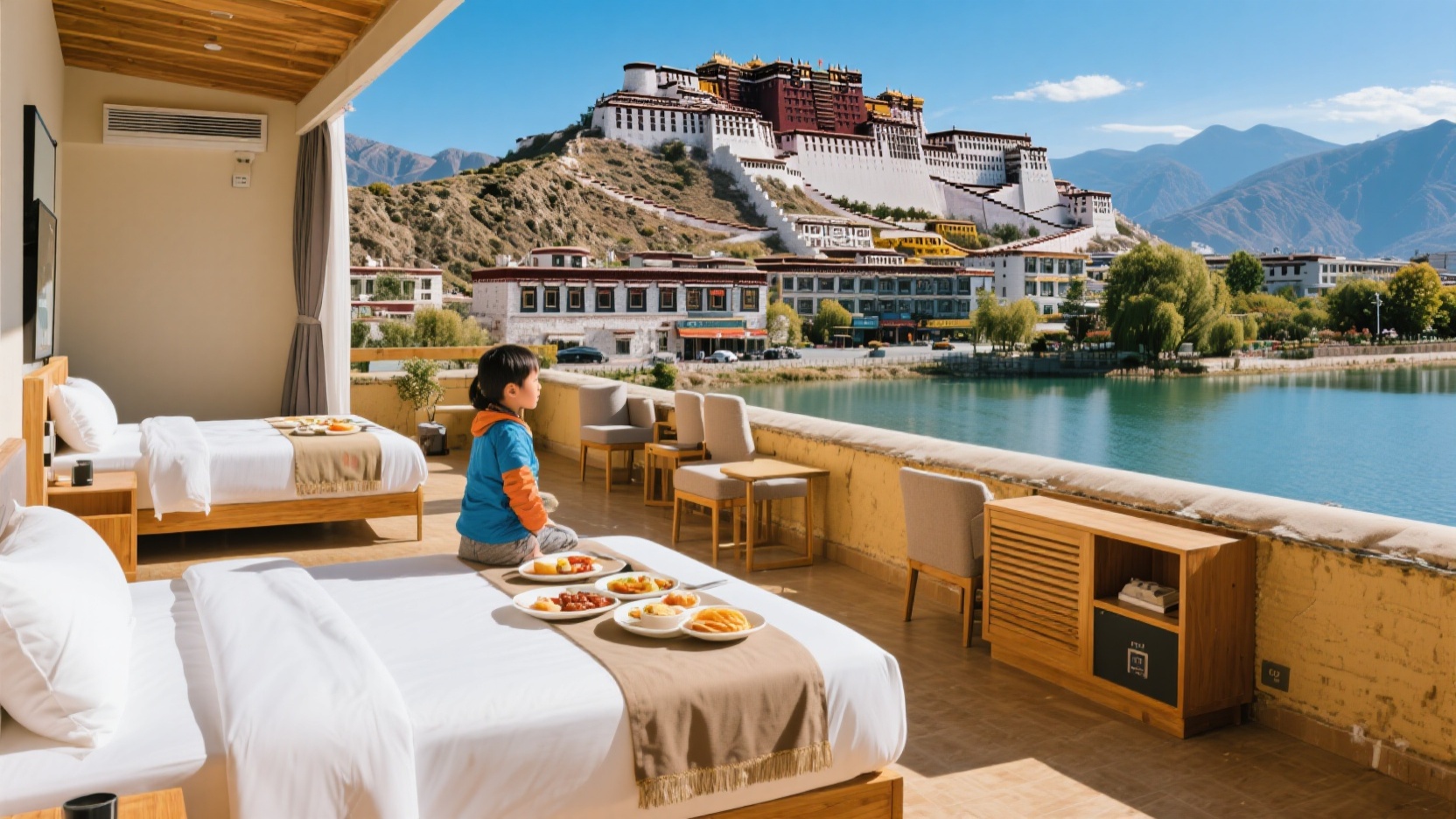
How to Choose Accommodation in Lhasa | A Comparative Review of Homestays and Chain Hotels at the Same Price (Blogger's Personal Tested Checklist to Avoid Pitfalls)
Struggling to choose between guesthouses and chain hotels in Lhasa? This blogger's hands-on review covers budget, comfort, and quality options, comparing accommodations in the Old City, Xianzu Island,
Featured Foods
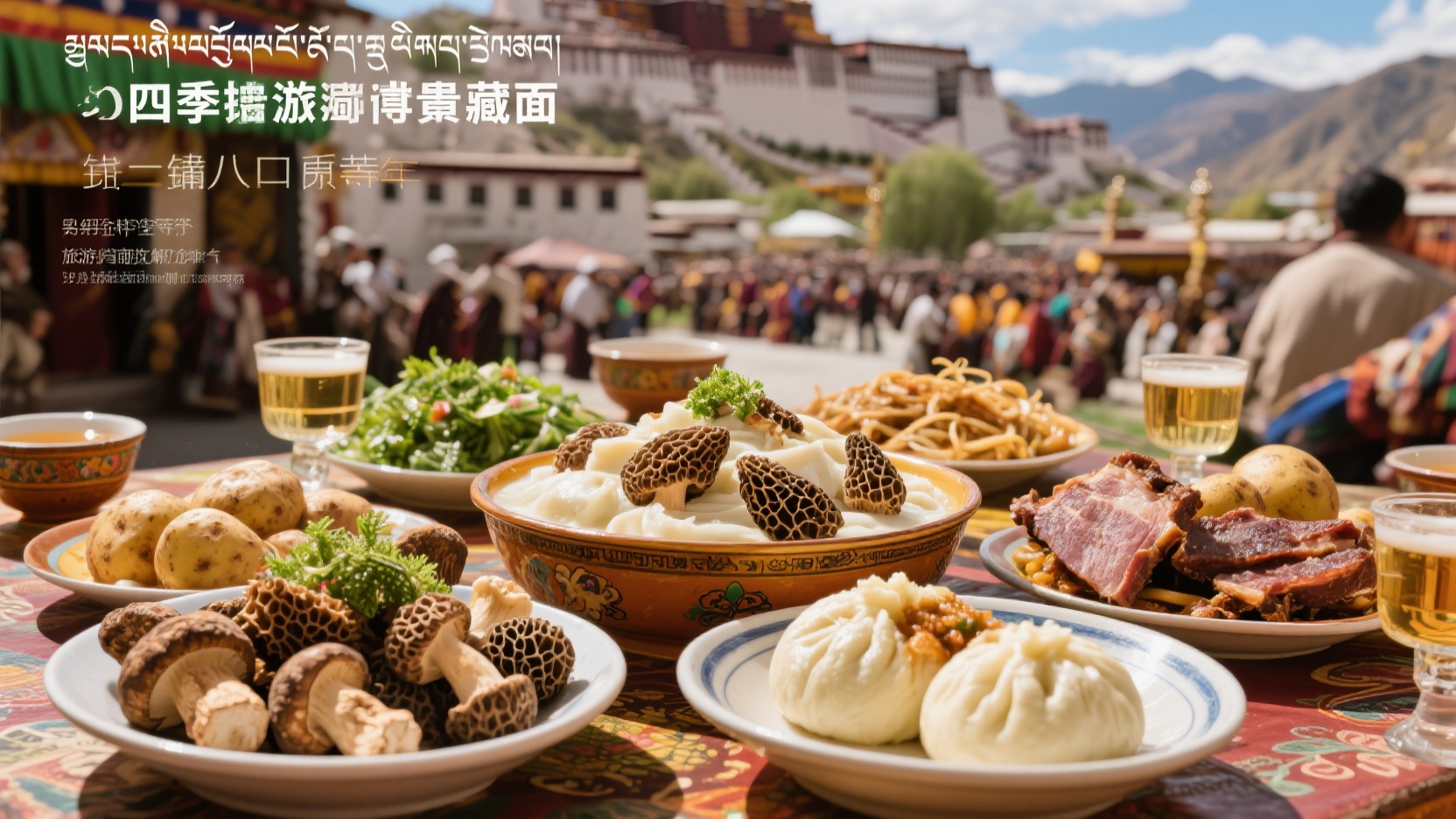
These eight must-try foods in Lhasa – don't miss them, or you'll have to wait another year! | A personal review of seasonal delicacies (not the internet sensations)
Lhasa's cuisine is more than just sweet tea and Tibetan noodles; true food connoisseurs visit according to the seasons. From morel mushrooms and fresh fern shoots in spring, to yak yogurt and new barl
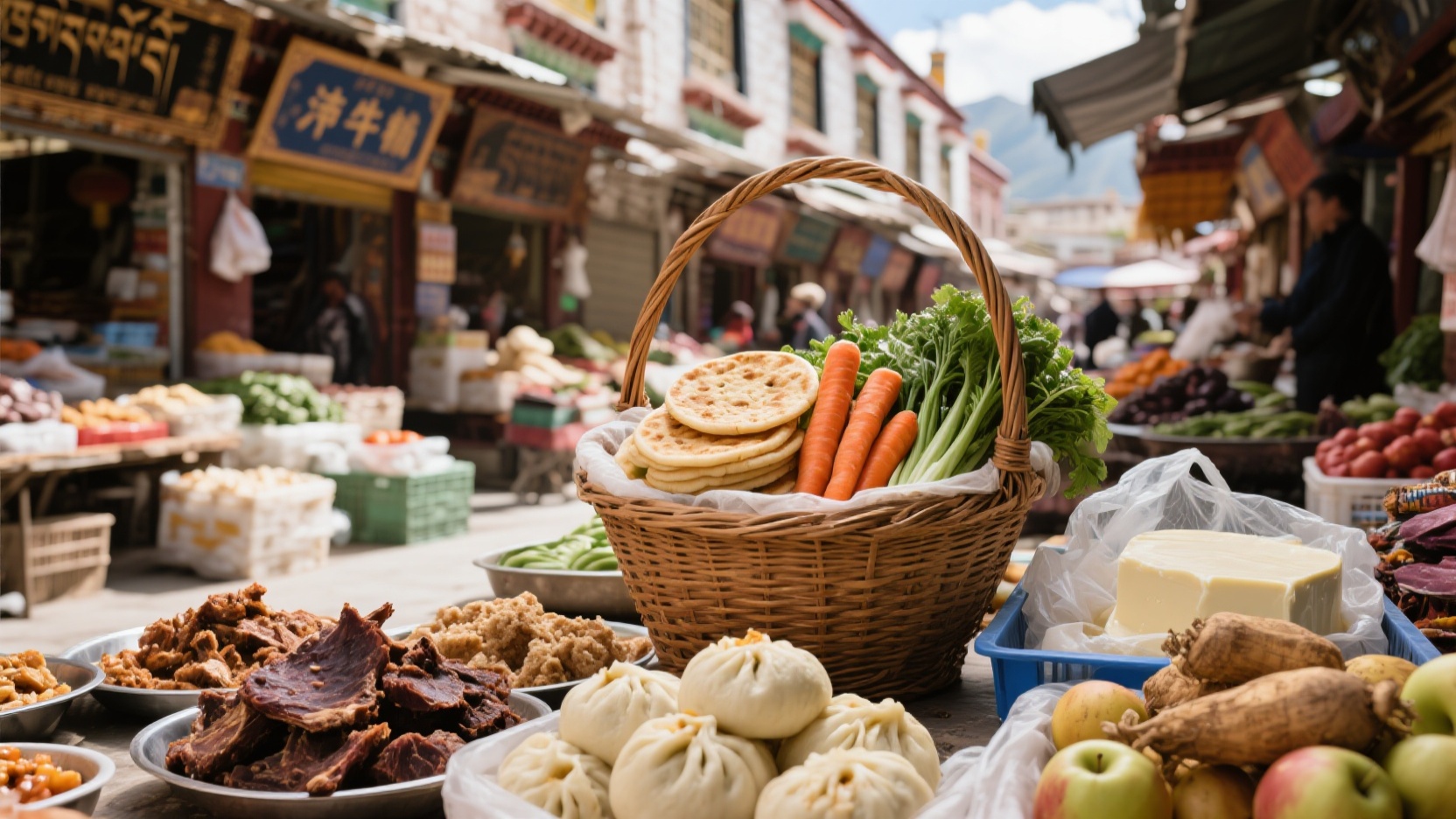
Lhasa in the shopping basket | 10 local delicacies hidden in the Chongsaikang Old Market
Lhasa's food markets are closer to the local kitchen than Barkhor Street. This article takes Chongsaikang Old Market as a starting point, sorting out 10 authentic local delicacies, including Tibetan b
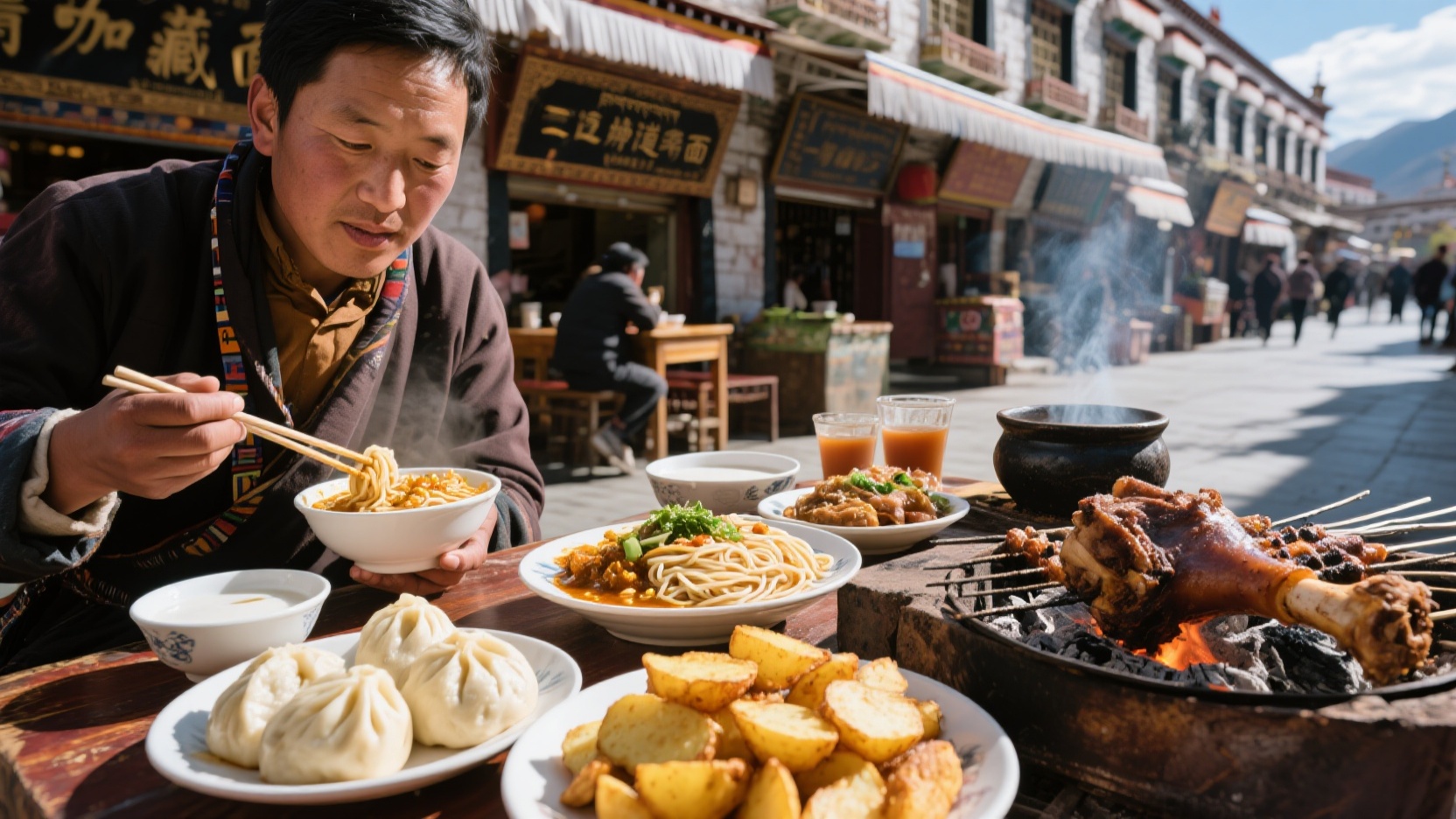
A Day in Lhasa: A Local Food Timeline from Tibetan Noodles in the Morning to Roasted Trotters at Night
Following the daily routine of Lhasa locals, from Tibetan noodles and sweet tea in the morning teahouse, to curry rice and Tibetan buns in the local restaurants at noon, to fried potatoes and yogurt o
Featured Blogs & Guides
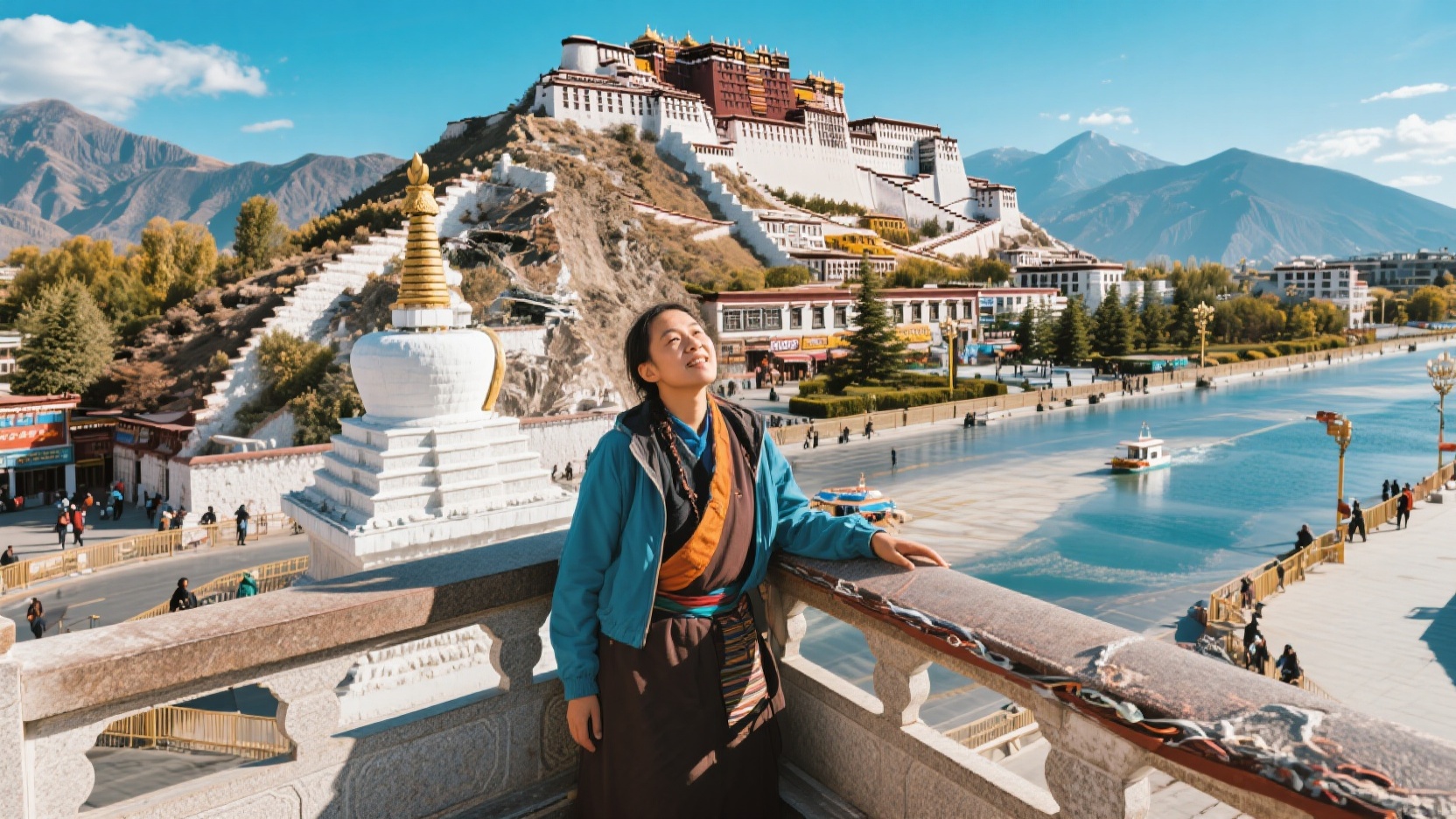
Lhasa locals don't recommend it | Don't be fooled by the "3-day, 2-night classic route": A local breaks down the pitfalls and lists things to avoid.
Locals in Lhasa don't recommend following the popular tourist routes. This 3-day, 2-night Lhasa itinerary, personally tested by a local traveler, avoids common pitfalls, debunks misconceptions about t
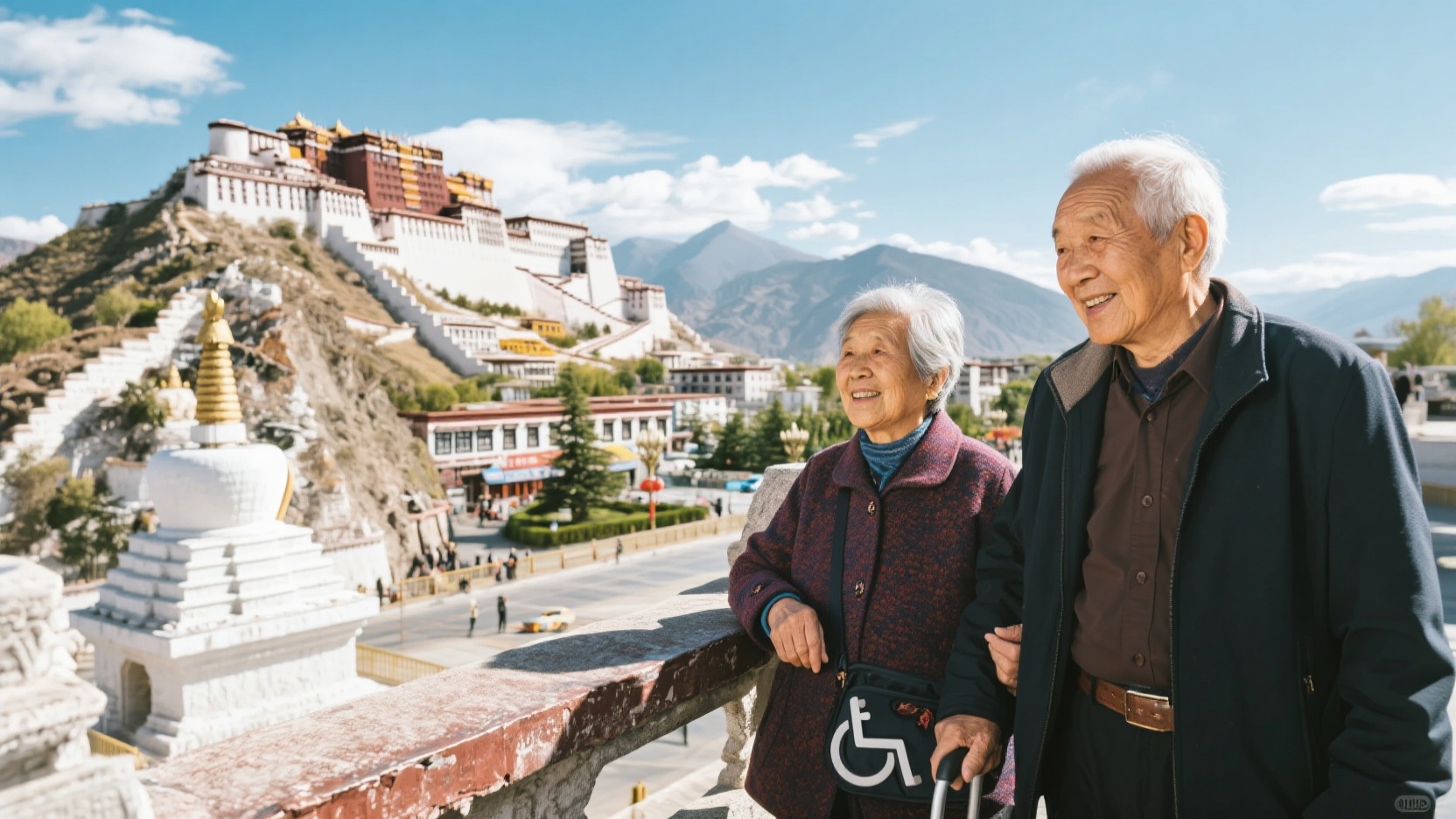
A leisurely 5-day trip to Lhasa | A checklist for parents who experienced zero altitude sickness and a relaxed pace (a guide for senior citizens to avoid pitfalls)
This Lhasa travel guide for parents is a special edition for senior travelers compiled by the blogger after three personal tests. It covers a 5-day, 4-night itinerary without rushing, selection of hot
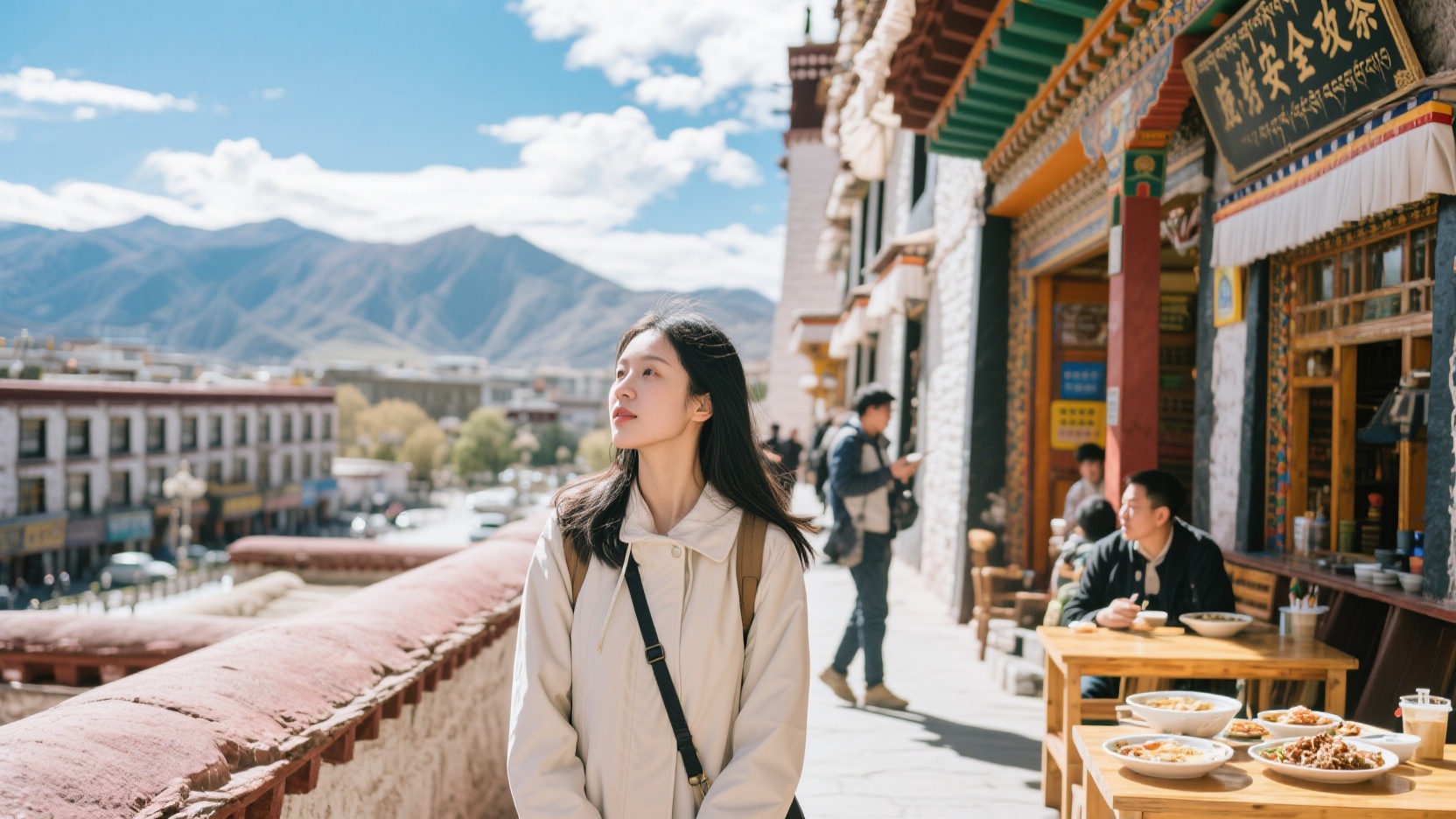
Three-Day Solo Trip to Lhasa | Blogger's Personal Review of Safe Areas/Group Tours/Photography Checklist (Solo Traveler Version)
Lhasa Solo Travel Safety Guide is Here! The blogger personally tested a 3-day, 2-night solo itinerary, compiling a list of safe accommodation areas, restaurants where dining alone won't feel awkward,