
How to pack souvenirs from Ningbo? Three types of people should check which one applies.
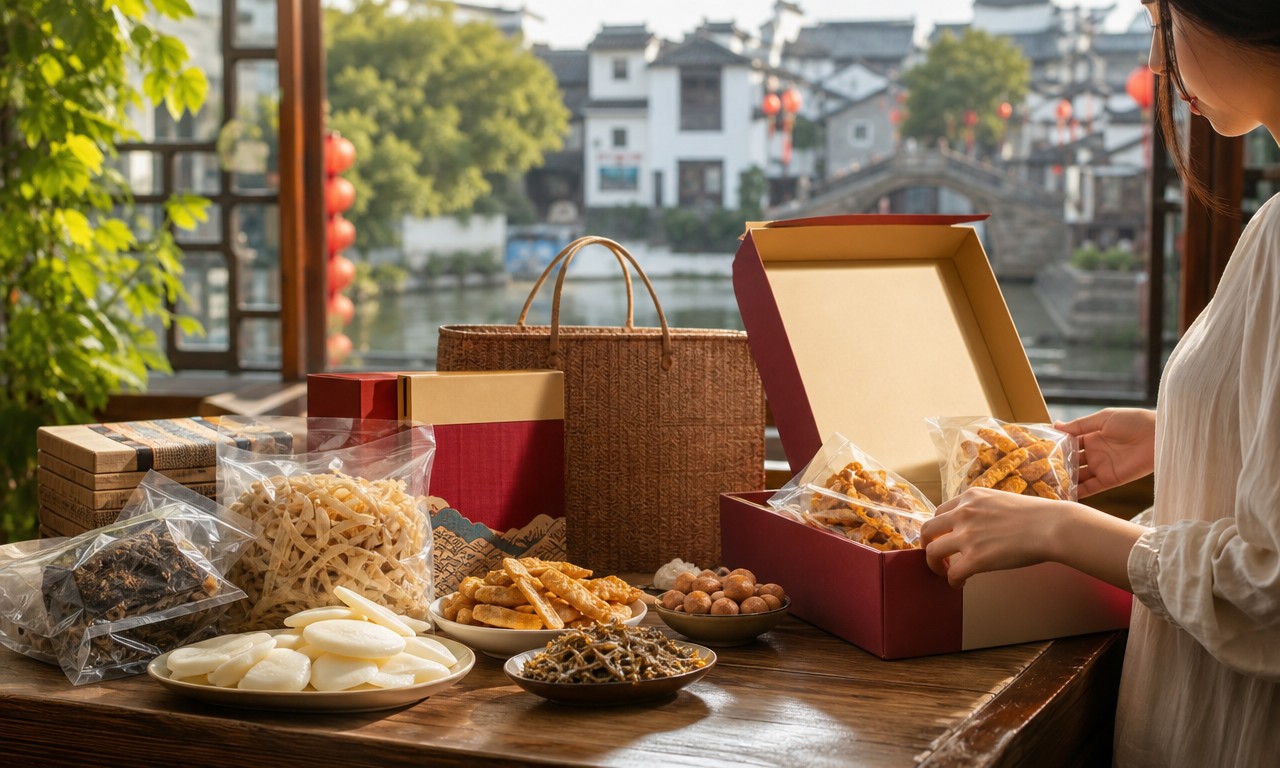
The hardest part about souvenirs from Ningbo isn't deciding "what to buy," but rather "what you can bring given your travel itinerary." The same bag of fried dough sticks can have completely different outcomes depending on whether someone has ample baggage allowance or is only carrying one bag; the same bottle of crab paste can be checked in or carried on, making a world of difference. This article doesn't offer a recommendation list; instead, it helps you categorize your choices based on three practical decision branches—baggage allowance, intended use, and carrying method—explaining the criteria and feasible solutions step by step.
First, consider your luggage: Do you have plenty of luggage space, or do you only carry one bag?
If you have baggage allowance and aren't in a rush on your return trip, you'll have a much wider selection of souvenirs from Ningbo. You can confidently buy substantial or bulky cakes and pastries like Cicheng rice cakes, Liangnong rice cakes, and Fenghua layered cakes. Vacuum-packed rice cakes are heavy, but make a thoughtful gift; Liangnong rice cakes are freshly made and sold, and you can refrigerate them at home and then steam them to maintain their texture. Don't worry too much about fried dough sticks; buy large bags in bulk or gift boxes, and they'll fit easily in a corner of your suitcase. Dried seafood such as dried shrimp, seaweed, and dried eel are lightweight but take up space, so it's recommended to portion them into sealed bags and then lay them flat at the bottom of your suitcase.
If you're only carrying one bag, prioritize "lightweight, small, durable, and well-packaged." Choose individually wrapped items like fried dough twists, seaweed mooncakes, and bean curd brittle, or vacuum-packed ready-to-eat seaweed. While layered cakes are crispy, they'll crumble easily in a backpack unless you can hold the bag to your chest the entire time. Avoid rice cakes and Liangnong rice cakes; they're heavy and take up too much space. For dried seafood, choose only compressed seaweed and small bags of dried shrimp, protected in cardboard or plastic boxes. Remember this rule: anything requiring refrigeration, pressure protection, or separate storage is off-limits if you're only carrying one bag.
Next, consider the intended use: Is it a gift, or for personal consumption?
When giving gifts, the "presentable" packaging is more important than the taste. There's a saying among Ningbo locals: when giving fried dough twists as gifts, you must buy them with a resealable strip and a gift box; buying them loose is just for "enjoying them yourself." Therefore, for colleagues and elders, prioritize gift boxes of frozen glutinous rice balls from Gangyagou (must be kept cold), gift boxes of Cicheng rice cakes, gift boxes of Fenghua layered cakes, or individually packaged red bean curd candies. These products are easily recognizable, presentable, and the recipient will immediately know they are from Ningbo. If the recipient loves seafood, you can choose crab paste or mud snails in glass jars, but you must ensure you can check them in as luggage, and they must be wrapped in bubble wrap.
If you're buying for yourself, you don't need to pay extra for packaging. Buy half a jin (250g) of freshly fried dough sticks from Nantang Old Street or Gulou Road to eat on the go, and take a small bag home – that's the most economical option. Bulk dried shrimp and seaweed from the market are much more affordable than gift boxes from tourist attractions. Buy freshly steamed Liangnong rice cakes, eat half while they're hot, and wrap the rest in plastic wrap for breakfast the next day. I only dare buy Ningbo's three stinky foods (stinky winter melon, stinky amaranth tubes, and stinky bok choy) if I'm buying them for myself; giving them as gifts would be embarrassing. The key to buying for yourself is: don't buy bulk items from tourist souvenir shops; go to local markets or established shops – the quality is just as good, and you'll spend less.
Finally, consider what you can carry: can it be checked in, or must it be carried on?
For checked baggage, the only things to watch out for are leaks and breakage. For glass jars containing crab paste, mud snails, or drunken crab, be sure to seal them with cling film before checking them in, then wrap them with two layers of bubble wrap, and finally place them in a cardboard box or between your shoes. Treat liquids like rice wine and bayberry wine the same way. Dried goods such as dried eel and dried shrimp, while not easily broken, have a strong seafood flavor, so use several layers of sealed bags to prevent the odor from seeping into your clothes. Soft foods like rice cakes and large rice cakes can be placed directly in the middle of your suitcase, covered with clothing for cushioning.
When carrying items, the rules are very clear: liquids and semi-liquids exceeding the permitted volume are not allowed, so give up crab paste, mud snails, and rice wine. Solid pastries and dried goods are allowed, but the total weight cannot exceed the carry-on limit. Fried dough sticks, seaweed mooncakes, bean curd brittle, and layered cakes can all be packed into your carry-on bag, but it's best to secure them in their original hard-shell boxes or your own plastic boxes. If your backpack is already full, only bring two items: a small bag of individually packaged fried dough sticks and a vacuum-sealed ready-to-eat seaweed. They are lightweight, won't break, won't transfer flavors, and will allow the recipient to taste the flavors of Ningbo.