
Tracing the Origins of Ningbo | A Cultural and Artistic Journey in Ningbo: An In-Depth Dialogue Between a Thousand-Year-Old Cultural Heritage and Treasures of the Maritime Silk Road
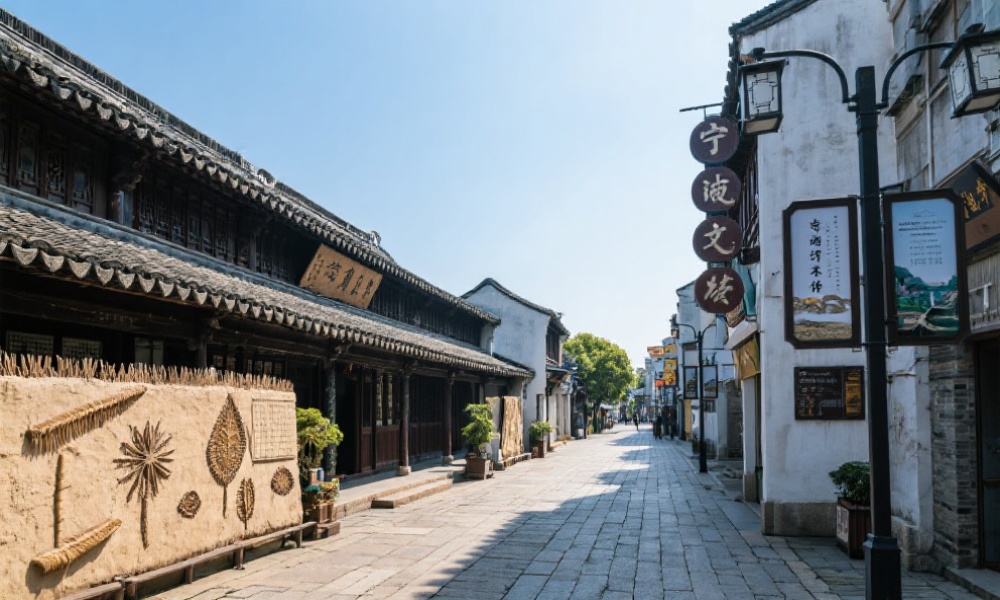
Ningbo, a southeastern coastal city with a 7,000-year history of civilization, is not only an economic powerhouse on the southern wing of the Yangtze River Delta, but also a shining pearl in the treasure trove of Chinese culture. Its profound historical heritage, unique port culture, and exquisite traditional crafts combine to create a diverse and layered tapestry of culture and art. This curated blog post will guide in-depth humanities enthusiasts on a Ningbo cultural and artistic journey, leading you beyond superficial observation to an immersive experience of the city's historical context and artistic essence.
Tracing the Ancient Charm: The Source of Civilization and the Fragrance of Calligraphy and Painting
A cultural journey through Ningbo should begin with the Hemudu Culture, the cradle of its civilization. The Hemudu Site Museum in Yuyao is a vital window into the Neolithic Hemudu Culture of China. Seven thousand years ago, the ancestors here had mastered rice cultivation, stilt house construction, and created exquisite bone tools, pottery, and wooden artifacts. The museum vividly recreates the production and daily life of ancient humans through artifacts, models, and multimedia displays. Particularly noteworthy are the unique mortise and tenon joints in the wooden components, showcasing early architectural wisdom. Visiting Hemudu is not only about tracing prehistoric civilization but also about gaining a profound understanding of the origins of Chinese agricultural civilization.
Next, we turn our attention to Tianyi Pavilion Museum , the oldest existing private library in China. Founded in 1561 by Fan Qin, the Right Vice Minister of War during the Ming Dynasty, Tianyi Pavilion is unparalleled in its book collection, fire-resistant architecture, and garden art. Its collection of rare and ancient books, especially local gazetteers and examination records from the Ming Dynasty, are invaluable resources for the study of ancient Chinese history and culture. The architectural complex of Tianyi Pavilion blends the fire-resistant wisdom of Jiangnan gardens with that of traditional libraries, such as the water system layout guided by the Five Elements theory of "Heaven generates water, Earth completes it," and the strict book management system. Strolling through it, one can not only feel the rich scholarly atmosphere but also appreciate the respect and protection that traditional Chinese literati held for knowledge.
Port City Splendor: Maritime Silk Road and Modern Imprints
As one of the eastern starting ports of the Maritime Silk Road, Ningbo's port heritage has profoundly shaped its urban culture. The Ningbo Museum is an ideal starting point for understanding Ningbo as a whole. Designed by Pritzker Prize laureate Wang Shu, the building itself is a work of art. Its facade employs the "tile fragment wall" technique, reusing recycled old brick and tile fragments—an environmentally friendly approach that is also rich in regional characteristics. The museum's permanent exhibition, "The Divine Boat of the East," systematically traces Ningbo's evolution from the Hemudu civilization to its modern port city status, highlighting its important role in maritime trade and international exchange, as well as the entrepreneurial spirit and patriotism of the "Ningbo Gang."
To explore Ningbo's modern history, the Ningbo Old Bund is an unmissable stop. As one of China's earliest five treaty ports, the Ningbo Old Bund opened 20 years earlier than the Shanghai Bund. It preserves a large number of European-style buildings from the late 19th and early 20th centuries, including Gothic churches, Baroque banks, and former consulates. Strolling along the Old Bund is like stepping back into an era of cultural exchange and fusion between East and West. Each building carries a story, narrating Ningbo's prosperity and transformation as a treaty port. Today, the Old Bund has transformed into a fashionable district integrating culture, leisure, and dining, a unique place to experience the perfect blend of Ningbo's modern urban vitality and historical heritage.
Zen-inspired craftsmanship: The Pure Land of Buddhism and the inheritance of intangible cultural heritage
Ningbo's cultural heritage is also deeply rooted in its long-standing Buddhist culture. Tiantong Temple and Ashoka Temple , located in Yinzhou District, are two of the "Five Great Temples of Chinese Zen Buddhism," exerting a profound influence on the spread of Buddhism in Japan and Korea. Tiantong Temple, renowned for its grand scale and profound Zen-inspired gardens, is the ancestral temple of the Caodong school of Zen Buddhism. With its towering ancient trees and majestic halls, it is an ideal place to escape the hustle and bustle of city life and seek inner peace. Ashoka Temple, on the other hand, is famous for housing the true relics of Buddha Shakyamuni, making it a sacred pilgrimage site for Buddhist believers. These two temples are not only masterpieces of religious architecture but also important material carriers for the study of Chinese Buddhist history and the history of cultural exchange between China, Japan, and Korea.
In Ningbo, the preservation of traditional handicrafts is a beautiful sight to behold. Ningbo embroidery is renowned for its exquisite needlework, rich colors, and unique expressiveness, especially its "flat embroidery" and "appliqué embroidery," often used to decorate Buddhist statues, theatrical costumes, and everyday items, reflecting the elegance and refinement of the Jiangnan water towns. Bone and wood inlay is a unique Ningbo traditional craft, using materials such as ivory, ox bone, and mother-of-pearl to inlay furniture made of rosewood and sandalwood. Its intricate designs and complex techniques give it high artistic and collectible value. Furthermore, lacquered wood carving , with its resplendent colors and exquisite carving techniques, is often used to decorate temples and ancestral halls, showcasing the aesthetic tastes of eastern Zhejiang. While direct experience of intangible cultural heritage production may require advance reservations or finding specific studios, visitors can appreciate these exquisite traditional artworks and feel the passing down of the craftsman's spirit in intangible cultural heritage exhibition halls or some cultural and creative shops in Ningbo city. In addition, enjoying a bowl of authentic Ningbo Tangyuan is also a taste experience of intangible cultural heritage. Its unique lard and sesame filling carries the Ningbo people's beautiful wishes for reunion and sweetness.
A cultural and artistic journey through Ningbo is a dialogue spanning seven thousand years of history. It is not merely a visual feast, but also a spiritual cleansing. XOOTOUR invites you to slow down, explore deeply, and let every inch of Ningbo's land, every artifact, and every craft become an indelible cultural memory on your journey.