
Ningbo Food | Avoid the Crowded Ningbo Markets in Spring | These 7 Dishes Are What Locals Secretly Eat Around the Winter Solstice
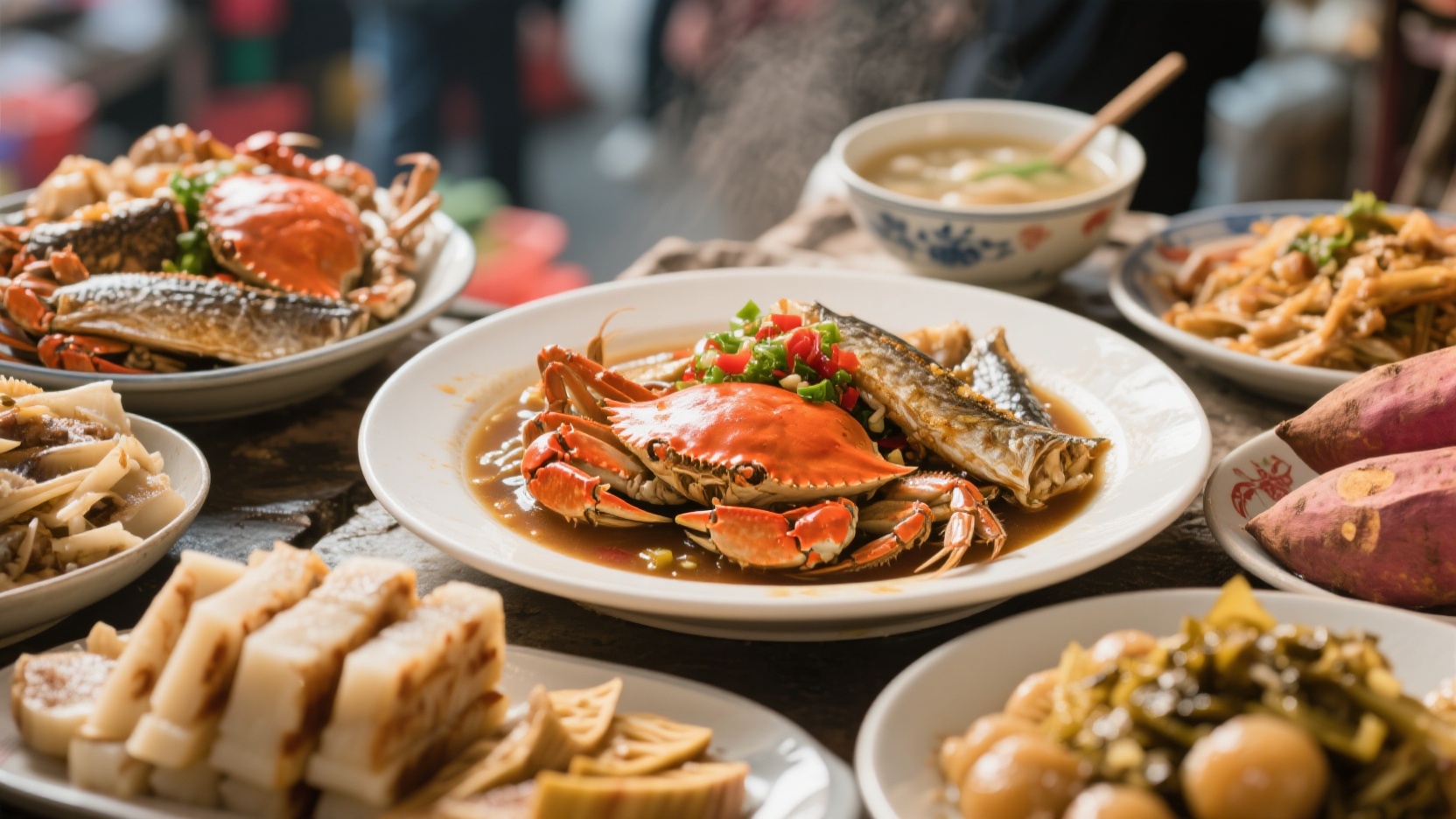
In my sixth year living in Ningbo, I overheard a tourist at the Gulou Market shouting, "Springtime is the perfect time to eat mackerel in Ningbo!" A local old lady picking out ribbonfish next to her glanced at him, then turned to the stall owner and said, "If you don't buy ribbonfish during the winter solstice, why are you crowding in spring?" At that moment, I knew that the biggest pitfall in Ningbo's food scene is choosing the wrong season.
Don't get me wrong, Ningbo's springtime food isn't bad. Shepherd's purse, malan, and razor clams are certainly fresh, but that's the season tourists and social media have created for you. True locals, from the moment the northwest wind first blows across Xiangshan Port, quietly enter the most underrated golden period for food—around the winter solstice. At this time, the sea temperature drops sharply, and ribbonfish and red-roe crabs begin to store fat; the mustard greens and pickled mustard greens in the fields are touched by frost, doubling their sweetness; and the rice cakes made from the late-season rice are just hitting the shelves, soft, chewy, and stretchy. If you come in spring, you're missing out on the entire winter that Ningbo locals secretly enjoy behind closed doors.
Breakfast | Sweet Potato Soup: The first sweet bite on the winter solstice morning, a taste you won't find in spring.
For Ningbo locals, the first meal on the morning of the Winter Solstice isn't glutinous rice balls (tangyuan), but sweet potato soup dumplings (tangguo). Tangguo are mini, solid glutinous rice balls without filling, cooked with chunks of sweet potato, a little fermented rice wine, and osmanthus sugar. Out-of-town travel guides rarely mention it, but local grandmothers will say that eating sweet potatoes on the Winter Solstice symbolizes "turning over" the old year, while eating tangguo represents "family reunion." This sweet treat must be eaten before sunrise.
The most authentic way to enjoy it is when the sweet potatoes are cooked until the edges are slightly mushy, the broth turns a pale orange color, and the dumplings are boiled briefly in cold water before being brought back to a boil to achieve a chewy texture. Locals usually serve it with a side dish of seaweed and peanuts or pickled cucumbers, and don't just eat it sweet. In spring, there's no honey-scented sweet potato after the first frost, and handmade dumplings are rarely seen in the market, so if you come to Ningbo in spring, you won't find this breakfast option.
Lunch | Spicy red crab with hot rice porridge: Not just for Chinese New Year, it's a dish that's divine when the northwest wind blows.
Many people consider pickled crab with red roe a seasonal dish for the year, but locals know best: the time to buy pickled crab around the winter solstice is when the roe is thickest and the meat is firmest. If the weather isn't cold enough, the crab roe won't solidify; and after the first month of the lunar calendar, the roe will have dispersed. When tourists come to Ningbo in the spring, the so-called "pickled crab" served at seafood stalls is often too salty or has little roe, because the crabs are no longer at their peak.
The local way of eating crab is "lazy" yet meticulous: the crab pieces must be served with ice crystals, accompanied by a pot of freshly boiled rice porridge. The crab meat is dipped in rice vinegar with ginger slices, a mouthful of crab roe is sucked out, followed by a mouthful of rice porridge—the fishy, fresh, salty, and hot flavors all rush to the throat simultaneously. Eating it this way in winter is truly a "rice-pressing hammer." Don't ask why it's not eaten at night; this is how locals have a hearty lunch around the winter solstice.
Lunch Extra Dish | Winter Solstice Ribbonfish: Market vendors snapped it up even more fiercely than during Singles' Day.
There's an old saying in Ningbo: "Winter Solstice ribbonfish is better than ginseng." In winter, ribbonfish are oily, and when steamed, their bodies naturally shimmer with a silvery sheen. The flesh is segmented like garlic cloves. At this time of year, the radar-net ribbonfish often arrive at the market early in the morning, and the elderly women at the market are already squatting in front of the stalls at 6:30, specifically picking those with bright eyes and a firm feel.
Tourists visiting Ningbo in spring are often recommended "steamed ribbonfish," but ribbonfish in spring are lean and have a strong fishy smell, making steaming unsuitable. Around the winter solstice, locals most often prepare "salted ribbonfish" or "pan-fried ribbonfish," served with a bowl of hot rice and pickled mustard green soup. The ribbonfish is cut into sections, marinated in salt for half an hour, and then pan-fried until golden brown on both sides, resulting in crispy skin and tender meat, even the bony edges are chewable. This is the right way to cook it in season.
Afternoon Tea | Pickled Mustard Greens with Baked Rice Cake: Not a street food sensation, but a pot of dark sweetness enjoyed in the cold wind.
Around the winter solstice, walking through old neighborhoods or near markets in Ningbo, you'll often see a large, shiny black pot, bubbling away with pickled mustard greens and rice cakes. Pickled mustard greens with roasted rice cakes is a winter-only "street food code" in Ningbo; its color is dark, but its flavor is a blend of sweet and savory, with a hint of soy sauce and the aroma of mustard greens. Tourists visiting in spring rarely even mention it, let alone try it, and many online guides don't even mention it.
Locals specifically choose cabbage that's roasted until soft and tender, and serve it in a paper bowl with long strips of rice cake. They eat it while it's still hot, standing in the cold wind. The rice cake is coated in sauce, and inside it's still fragrant with rice. The old ladies will also tell you: the cabbage must have been touched by frost, otherwise it will taste bitter, so it's only authentic around the winter solstice, one or two months later.
Afternoon Tea Snacks | Pork Lard Dumplings: Don't look for them in the frozen section, only hand-made ones will ooze oil on the Winter Solstice.
Ningbo glutinous rice balls are available year-round, but the hand-rolled glutinous rice balls made around the winter solstice are a completely different story. The late-season glutinous rice flour is fresh, and the black sesame seeds are freshly ground in a stone mortar. Diced pork fat is added, and after wrapping, the balls are rolled in a layer of dry powder on a bamboo tray. When these hand-rolled glutinous rice balls are boiled, the skin will slightly reveal the black filling, and when bitten into, the pork fat and sesame seeds will ooze out like quicksand.
Locals don't usually eat lard-filled glutinous rice balls from chain stores for the Winter Solstice; they mostly make them at home or buy freshly made ones from old alleyways. They serve them with a bowl of clear broth from the cooking process, sprinkled with dried osmanthus flowers—only then is it not greasy. Tourists who buy a bag of frozen Ningbo glutinous rice balls from the supermarket in spring often find that the ones they cook at home have thick skins and sweet fillings, completely unlike the oily, handmade ones made for the Winter Solstice. Don't blame the glutinous rice balls for being bad; blame the wrong season.
Late-night snack | Salted pickled vegetables, winter bamboo shoots, and rice cake soup: A warm welcome home late at night; winter bamboo shoots in spring simply don't taste like this.
Before the winter solstice, the bamboo shoots haven't fully emerged from the soil, making them the most tender and less astringent. For Ningbo locals, winter late-night snacks aren't barbecued crayfish, but a bowl of salted mustard greens, bamboo shoot, and rice cake soup. The mustard greens are pickled in late autumn, and the bamboo shoots are freshly shredded and cooked together with rice cake slices. The broth is clear and fresh with a hint of fermented sourness; a bowl of this warms you from head to toe.
The magic of this dish lies in the brief juxtaposition of "frost-bitten winter bamboo shoots" and "newly harvested rice cakes." While spring bamboo shoots are available, they are fibrous and astringent, lacking the delicate sweetness of winter bamboo shoots when paired with salted vegetables. Locals, after a night of drinking, often order a bowl of rice cake soup at a roadside eatery, where the owner casually adds a spoonful of lard, making it so delicious that you'll drink every last drop of the broth. This is a unique, gentle warmth of Ningbo's winter nights, something tourists can't experience in spring.
In closing | Don't ask the locals, I didn't tell you.
1. Avoid chain seafood stalls around the winter solstice. It's best to buy freshly prepared red-roe pickled crabs at the market. Check the two corners of the crab shell for red roe before buying.
Second, while the "mackerel" in the popular spring markets is indeed fresh, locals are more willing to get up early in winter for a braised ribbonfish. Don't be misled by seasonal guides.
3. Make sure the pickled cabbage is frost-bitten when making roasted rice cakes. The darker the color, the more flavorful it is. If you see the same thing being sold on the roadside in spring, it is basically frozen rice cakes that have been reheated.
Fourth, when eating glutinous rice balls with lard around the winter solstice, don't buy the frozen ones from the premium gift boxes; look for freshly made ones, as they will have a thin layer of oil on them after cooking.
5. Don't order a seafood platter for late-night snacks. A bowl of salted pickled vegetables, bamboo shoots, and rice cake soup is the proper way for Ningbo people to enjoy a late-night winter night. Remember to ask the owner to add a spoonful of lard.