
Hidden Art and Culture Spots in Shenzhen: A Guide to 8 Lesser-Known Cultural Hubs
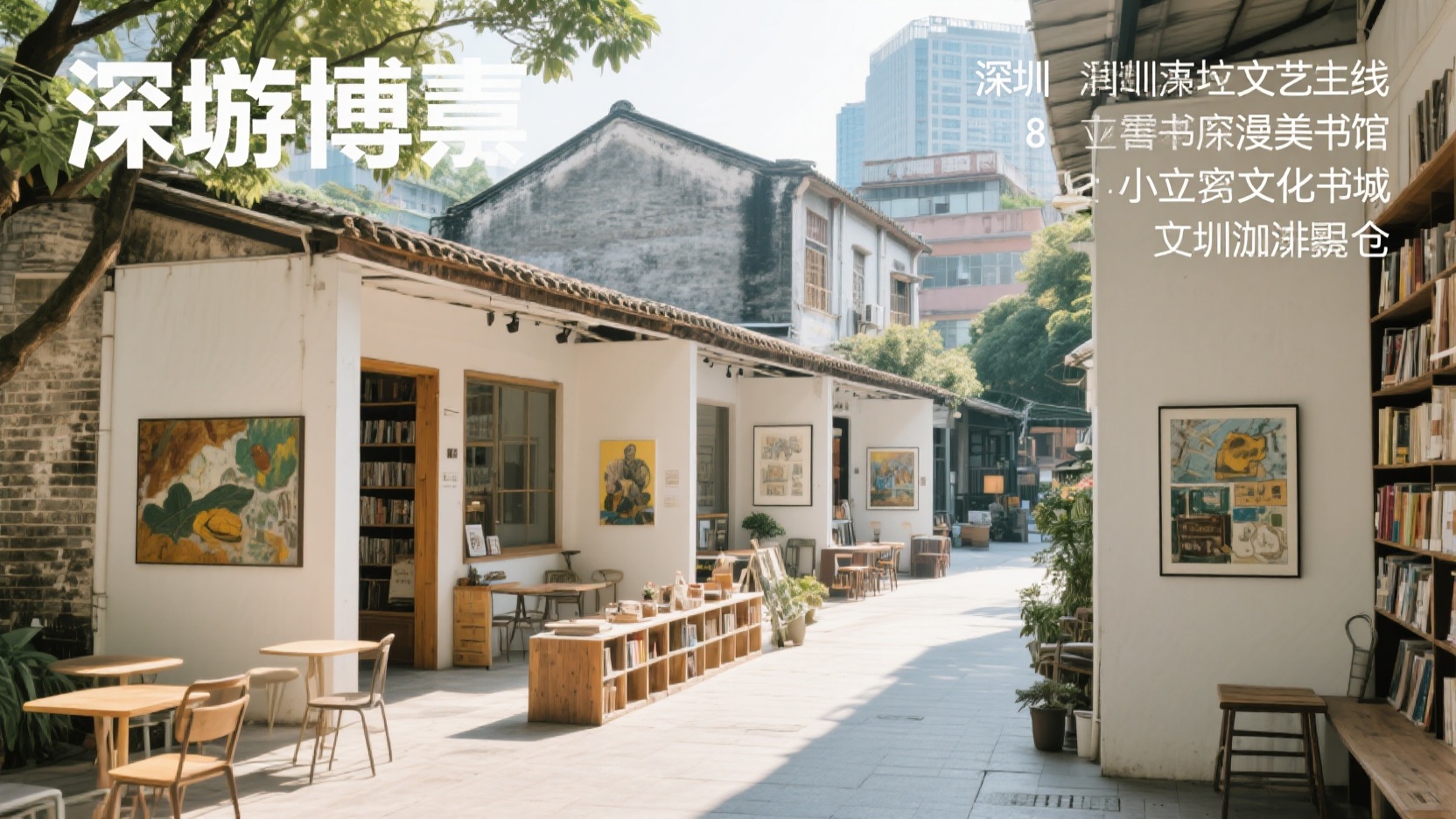
Shenzhen's artistic and cultural atmosphere isn't found in large commercial districts or tourist-packed creative parks, but rather hidden in the ground floors of old residential communities, the high-ceilinged spaces of old factories, and former industrial areas by the sea. This route avoids well-known tourist spots, connecting independent bookstores, private art galleries, vintage warehouses, and community cafes. It's perfect for a half-day to a full day spent walking or taking short connecting routes, allowing you to experience the city's spiritual fabric at a lower density.
Ozu Concept Study Room
Ozu Concept Bookstore is a typical film-themed community bookstore, tucked away in an old building in Futian District. The store mainly features film books, director biographies, and a small selection of used literary works. The walls are covered with movie posters and film festival flyers. Seating is limited, making it feel more like a friend's living room. The highlights are the regular small-scale screenings and the owner's curated selection of lesser-known films. The shelves often feature Hong Kong and Taiwanese editions. Photography tips: The wooden table by the window with its warm yellow lamp is perfect for taking photos of people reading; the movie poster wall near the entrance can serve as a backdrop; avoid the strong midday sun, as the evening light is softer.
Jifu Coffee
Jifu Coffee is located on the ground floor of an old residential building in Bagualing. It's a community coffee shop that has built a loyal customer base through word-of-mouth referrals for its hand-drip coffee. The space isn't large, with a wooden bar taking up half of it. The barista will adjust the brewing parameters according to your taste, and you can often hear the sounds of the grinder and regular customers chatting. Highlights: The single-origin beans roasted in-house have a clear flavor, and the cold brew and milk-based coffees are consistently excellent. The interaction at the bar is a hidden gem. Photography tips: Sit by the window at a high vantage point and take a backlit shot of the coffee cup's reflection, or record the barista's pouring motion from the side or rear; a shallow depth of field will better highlight the water jet and coffee grounds.
A tree of Arbre
Arbre is an art space located on the ground floor of a building in Yuanling New Village, with a large tree in the courtyard serving as a natural landmark. The space retains the old house's tiled floors and wooden doors. Exhibitions are mostly initiated by young curators, often incorporating artworks into the living room, balcony, and window gaps. Highlights: Community-intervention exhibitions and independent publications; workshops are sometimes held under the shade of the tree. Photography tips: Use the shadows cast by the tree in the courtyard as foregrounds on the walls, and frame interior shots through windows; the sidelight around 3 pm provides rich detail, so avoid using flash and damaging the exhibits.
Value Factory
Value Factory, transformed from an old glass factory in Shekou, exudes an industrial heritage far more than commercial atmosphere. Towering chimneys, exposed concrete columns, and weathered slogans retain their raw texture, while some silos have been converted into exhibition halls and creative studios. Highlights: The unique acoustics inside the giant silos; the columned corridors help to understand the building's scale; and the graffiti area contrasts with the old equipment. Photography tips: Use a wide-angle lens and shoot upwards from the colonnade to enhance the sense of depth; the beams of light from the openings at the top of the silos are perfect for backlit silhouettes; wearing light-colored clothing can make the subject stand out against a dark gray background.
In case of space
Nestled within a commercial podium in Shekou, the space boasts an understated facade and a restrained white-box interior. It's closer to an independent art space than a traditional gallery, with curatorial works often revolving around the relationship between materials, text, and space. While not large in scale, the exhibitions are meticulously crafted. Highlights: The exhibits intertwine with the streetscape outside the windows; smaller works require close examination, and sometimes a single installation occupies an entire wall. Photography tips: Take environmental portraits from the central blank space of the exhibition hall, or utilize floor reflections for minimalist compositions; wearing low-saturation colors will help you blend into the scene.
Xi Musu Nian
Ximu Sunian is a secondhand bookstore by the sea in Shekou, famous for its Hong Kong and Taiwan editions and handwritten postcards. The bookshelves reach the ceiling, the aisles are narrow but clearly categorized, and the corners are piled with old magazines and out-of-print books collected by the owner. Highlights: Hong Kong and Taiwan literature, movie books, and handmade creative products; local cats often visit the store. Photography tips: Stand sideways to reach a book from the shelves to avoid feeling crowded; handwritten recommendation cards and warm-light lamps are suitable for close-ups; after dark, when the storefront lights come on and the street is quiet, it's the best time for photos.
Jupiter Museum
Jupiter Art Museum is located in the Futian Free Trade Zone. The museum is a converted warehouse space, providing ample space for large-scale contemporary art and video works. Compared to popular museums, it has fewer visitors, allowing for a more relaxed pace of viewing. Highlights: Installation works often interact with industrial column grids; some exhibitions encourage slow movement and viewing from multiple angles; sound and video works require pausing. Photography tips: Utilize the reflection of the dark ground to create symmetrical compositions; use a telephoto lens to compress space and emphasize the scale difference between people and installations; avoid using flash in projection areas.
One Day Warehouse
One Day Warehouse is a lifestyle goods warehouse opened by vintage collectors, tucked away in a corner of a backstreet in Nantou Old Town. Old door panels, enamel mugs, vintage lamps, and Lingnan-style patterned tiles create a nostalgic atmosphere, with some items accessible for touch or purchase. Highlights: Old receipts and local household items offer a glimpse into the city's history of consumption, perfect for leisurely browsing. Photography tips: Use an overhead shot to showcase the layered textures of the items; the patterned tile background is ideal for capturing details of hands; the warm overhead lighting from the old counters acts as a natural softbox, resulting in soft portraits.
From community bookstores to old factory art districts, these locations don't require grand layouts, yet they offer a glimpse into a different kind of density in Shenzhen within just a few steps. Explore the city's spiritual corners on foot.