
Forget that row of stinky tofu stalls! | 9 hidden gem stalls in Shaoxing, personally tested by a local – don't be fooled by travel guides!
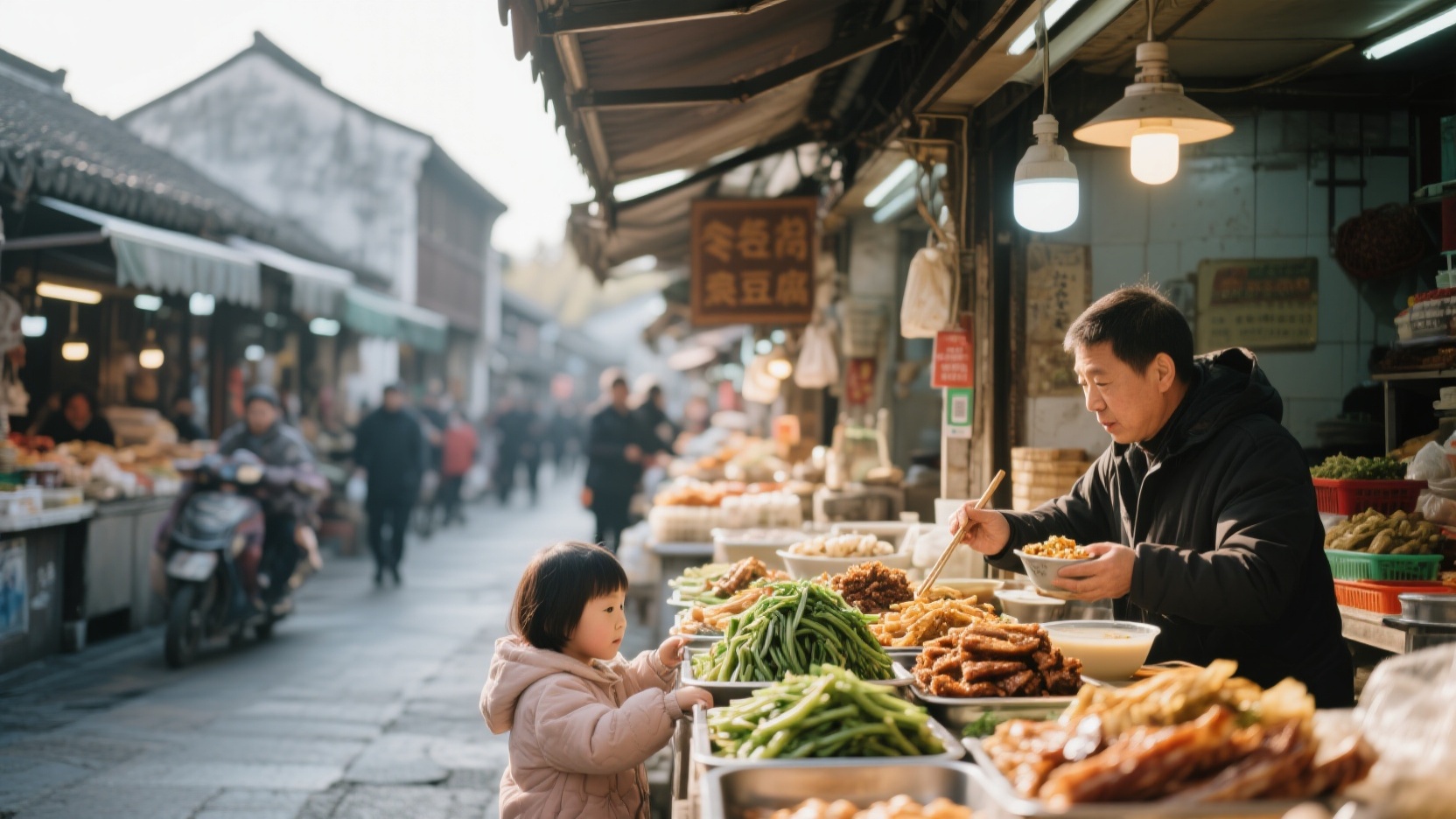
After living in Shaoxing for five years, I dare to say this: locals don't even look up when they pass by those stinky tofu stalls with long queues on Cangqiao Straight Street. It's not that they taste bad; it's that Shaoxing people have another, smaller map in their minds, and that map doesn't include the words "must-eat for tourists."
The essence of Shaoxing cuisine isn't in that deep-fried dish at the entrance of tourist attractions, but in the seasonal meanings hidden within the fermented, pickled, and marinated ingredients. Tourists follow guides, focusing on yellow wine popsicles and creamy mini cakes, while locals judge the arrival of winter by the pungent smell of fermented amaranth stalks in the market. This article won't mention the few places copied from the internet, but only the stalls I usually detour into when riding my electric scooter.
Don't go yet: Locals are too lazy to queue for these "must-eat" spots.
The stinky tofu stall in the middle of Cangqiao Straight Street has a queue stretching from the alley entrance to the bridgehead; locals would avoid it at a glance. The problem isn't the tofu itself, but rather the excessively thick layer of sweet bean sauce that masks the broth flavor. The tofu is overcooked, leaving only a salty and greasy aftertaste. True connoisseurs wouldn't use this stall to prove they've been to Shaoxing.
Along the streets of Lu Xun's former residence, the rice wine and milk tea stalls have a weak, syrupy flavor. The glutinous rice balls are soaked until they swell. Tourists take photos with their cups, while locals prefer a sip of warm rice wine with a side of fennel beans in winter. The fennel beans in the steamers outside the old shops in the scenic area are often hard, and the rice wine is too sweet, as if it's been seasoned for tour groups.
There was also a chain Shaoxing restaurant in a shopping mall. The braised pork with preserved mustard greens had undercooked fatty pork, the sauce was too sweet due to the use of dark soy sauce, and it was cloyingly sweet. Locals would steam this dish for at least two hours at home and wouldn't serve this sticky, fast-food version to friends.
Fushan Straight Street Farmers Market: Three stalls from morning till night, you can't go wrong.
The noodle stall on the west side of the morning market makes freshly made thin pancakes, and the sweet sauce is homemade with a slightly bitter caramel flavor. How to order: "Double eggs, less sauce, half a fried dough stick," add scallions but no pork tenderloin, stand by the cart and finish eating in three minutes, don't take it away as it will get soggy.
The middle section of the stall serves braised chicken and braised pig tongue. The braising liquid is made by the owner himself, so the aroma of the wine isn't overpowering. How to order: Buy half a braised chicken and ask the owner for an extra spoonful of braising liquid. Serve it with hot rice porridge at home, rather than eating it as a snack, as it will be quite salty.
The innermost pickle stall displays a large basin of fermented amaranth stems. Locals get hungry just smelling it, but out-of-towners often frown upon it on their first visit. How to order: Don't choose the thicker fermented amaranth stems; ask the vendor to pick out the thinner ones. Steam them for ten minutes at home and serve with white rice. Don't try fermented tofu skin on your first try.
East and South of the Old City: A Local Afternoon with a Bowl of Noodles and a Box of Stinky Tofu
The Ciwu noodle shop under the Chengnan Bridge has a tiny storefront; you have to squeeze in sideways. Around lunchtime, it's packed with people who work nearby. The noodles are hand-pressed, chewy but not hard. The river shrimp and egg rolls in the three-delicacy noodles are pre-made, and the broth is clear and flavorful. How to order: Order either "pork rib noodles" or "three-delicacy noodles," and make sure the noodles are firm. Ask the chef to stir-fry the toppings to order. Eat the noodles first, then drink the soup. Don't add extra chili oil.
The stinky tofu cart near Luomen New Village only comes out from 4 PM to 7 PM. The tofu pieces are small, with a mild fermented flavor, and develop a crispy outer layer after being fried. How to order: ask for a "small portion, half sweet sauce and half chili sauce". Don't tie the bag tightly after frying, otherwise the heat will trap the tofu and it won't be crispy.
From Keqiao to Anchang: Hidden Buying Methods from Shengzhou Snack Stalls and Preserved Meat Stalls
At the entrance of Keqiao Old Street, there's a Shengzhou snack stall that only serves breakfast and late-night snacks. Their tofu buns are pan-fried until the bottom is golden and crispy, and the filling is so tender you'll want to scoop it up with a spoon. How to order: Make sure the tofu buns are pan-fried, and also order half a portion of stir-fried rice cakes with pickled mustard greens and bamboo shoots. Don't order the large portion, or you won't make it to the next stall.
Several shops on the north side of Anchang Ancient Town wholesale preserved meats and sauces; locals don't buy vacuum-packed ones from the bridge. Choose deep red, thin sausages that are glossy but not dripping oil; select dried, firm braised duck. How to order: ask the vendor to slice the sausages thinly, and buy half a "dry and fragrant" braised duck to steam at home and serve with porridge. Don't buy the soft, mushy vacuum-packed version.
Salty soy milk and rice buns in the early morning: Shaoxing before tourists get up
At the foot of Fushan Mountain, in a row of breakfast stalls, the one furthest in the row of savory soy milk vendors first puts dried shrimp, fried dough stick crumbs, chopped green onions, and two drops of chili oil into a bowl before pouring boiling hot water over it. How to order: savory soy milk with a freshly fried dough stick, torn into pieces and soaked in the mixture. Don't stir too quickly; let the soy curds naturally clump together.
The rice buns in the steamer next door aren't the dyed little dumplings you see in tourist spots; they have a hint of fermented rice aroma and are slightly sweet and sour. How to order: Buy two as a snack for the roadside and eat them while they're hot. Don't buy too many, as rice products harden when they cool down.
In conclusion: Five things you shouldn't ask locals that they didn't tell you.
First, don't ask if it's spicy. The spiciness in Shaoxing cuisine is mostly just a touch of red oil in the salty and savory flavor. Asking if it's spicy will easily make the restaurant owner think you're an amateur.
Second, avoid going during mealtimes. The busiest times are 11:30 am for lunch and 6 pm for dinner. Locals usually go half an hour earlier or later to avoid waiting for a table.
Third, avoid wearing white clothes. Muddy amaranth stems, stinky tofu, and soy sauce all tend to leave stains, and light-colored clothes, especially white ones, are basically ruined after eating them.
Fourth, don't rely on reviews. Locals trust word-of-mouth recommendations from the market, and high ratings are often built up by tourists feeding the locals.
5. Don't order large portions. Shaoxing snacks are hearty, and large portions can be greasy. Small portions are better so you can eat more.