
The Splendor of Yue: An In-Depth Exploration of Shaoxing, a Cultural and Artistic Journey Through a Thousand Years
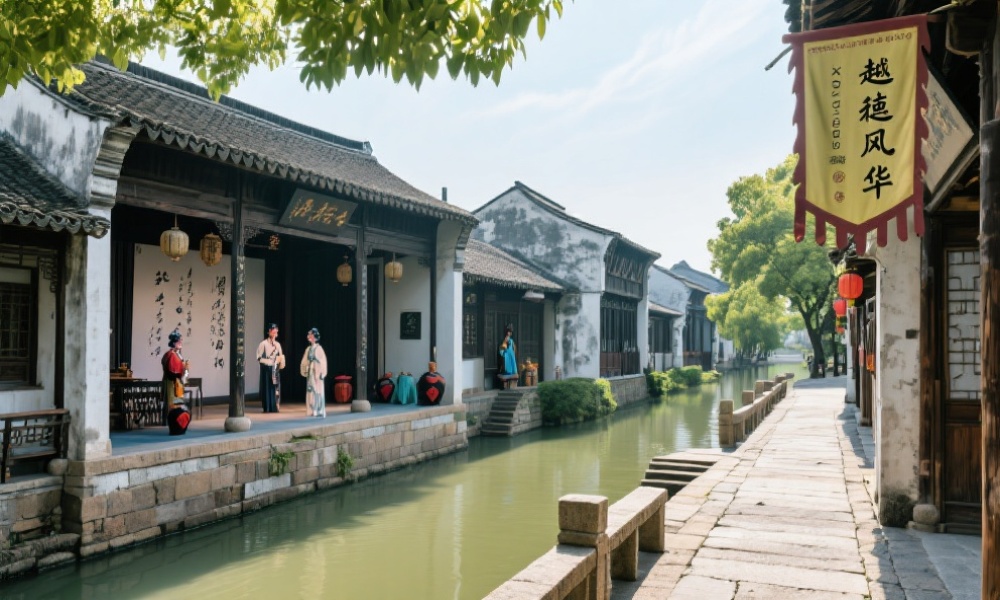
Shaoxing, an ancient city in Jiangnan with water as its lifeblood and culture as its soul. Its unique geographical environment and profound historical heritage have shaped a distinctive cultural and artistic landscape. For travelers seeking a deep cultural experience, Shaoxing is not simply a collection of attractions, but a three-dimensional history book to be savored. This article will plan a slow-paced travel route centered on culture and art, delving into Shaoxing's world of literature, calligraphy, opera, and intangible cultural heritage.
Lu Xun's Hometown: The Roots of Literature and the Soul of the Nation
A cultural journey through Shaoxing inevitably begins at Lu Xun's hometown. This is not only the birthplace of the great writer Lu Xun, but also the real-life prototype of classic scenes from his works such as "Sanwei Study" and "Hundred Herb Garden." Strolling along the cobblestone streets, wandering between the Zhou Family Mansion, Lu Xun's ancestral home, and Lu Xun's former residence, every brick and tile seems to whisper stories from a century ago. The Lu Xun Memorial Hall, through rich historical materials and artifacts, systematically showcases Lu Xun's eventful life and the formation and development of his thought, allowing visitors to deeply understand the historical context and profound connotations behind his literary works.
Around Lu Xun's hometown, take a break and experience a traditional awning boat ride. This unique Jiangnan water transport embodies the wisdom and sentimental attachment of Shaoxing people over thousands of years. The boatman rows through the ancient canal and across the flowing water, past charming houses and quaint shops lining the banks. The soft Wu dialect and the gentle lapping of oars fill the air – this scene is the most vivid interpretation of Lu Xun's description of a "water town." In the evening, visit Shen Garden. This Song Dynasty garden is famous for the tragic love story of Lu You and Tang Wan. The "Heartbreaking Poem" stone carving within the garden seamlessly blends literature, garden art, and historical emotion, making it an excellent place to experience the sentiments of the ancients and the artistic conception of the garden.
Lanting Ink Charm: The Sacred Ground of Chinese Calligraphy
A cultural and artistic journey through Shaoxing wouldn't be complete without exploring calligraphy. Lanting, hailed as the "Holy Land of Chinese Calligraphy," is renowned for the "Preface to the Poems Composed at the Orchid Pavilion," written here by the great Eastern Jin calligrapher Wang Xizhi. Entering Lanting, one encounters various scenic spots such as the Goose Pond, the Floating Wine Cup Pavilion, and the Imperial Stele Pavilion, each carrying profound historical and cultural significance. Standing before the Floating Wine Cup Pavilion, one can imagine the grand gathering of Wang Xizhi and his friends, enjoying the flowing wine cups and composing poems, and feel the refined elegance of these literati.
Lanting is not merely a historical site, but also a symbol of the spirit of calligraphy. Every inscription and every inkwell here seems to exude the fragrance of ink. A visit to the Lanting Calligraphy Museum offers a systematic understanding of the development of Chinese calligraphy, allowing visitors to appreciate the rubbings of famous calligraphers throughout history and experience the profound depth of this art form. For interested visitors, some cultural and creative shops or experience centers offer simple calligraphy experiences, allowing you to personally feel the joy of wielding a brush and deepen your understanding of the art.
The Elegant Sounds of Yue Opera: The Tenderness of Jiangnan and the Inheritance of Intangible Cultural Heritage
As the second largest opera genre in China, Yue Opera is beloved for its melodious and graceful singing style and elegant performance art. Shaoxing is the birthplace of Yue Opera. Visiting the Yue Opera Museum is the best way to understand this intangible cultural heritage. The museum uses costumes, props, stage photos, audio-visual materials, and other resources to showcase in detail the development of Yue Opera from a rural folk song into a nationally renowned opera genre, as well as its artistic characteristics and representative figures.
If given the opportunity, attending a Yue Opera performance in person would be the most direct and moving experience of the trip. Yue Opera performances are exquisitely detailed, and the singing is deeply moving. Whether it's the poignant love story of "The Butterfly Lovers" or the tragic tales of "Dream of the Red Chamber," each performance is brought to life on stage. This immersive artistic experience cannot be replaced by pictures or words. Furthermore, in many ancient towns and cultural districts of Shaoxing, there are often spontaneous performances by Yue Opera enthusiasts. Although small in scale, these performances better demonstrate the vitality and inheritance of Yue Opera among the people.
Rich and mellow Shaoxing wine: Intangible cultural heritage and philosophy of life on the tip of the tongue
Shaoxing rice wine, a quintessential representative of Chinese rice wine, is not only a local specialty but also a cultural symbol flowing in the blood of the people of Shaoxing. A visit to the Shaoxing Rice Wine Museum will provide you with an in-depth understanding of its brewing history, traditional techniques, tasting methods, and its important role in Shaoxing society. From selecting ingredients, soaking rice, steaming, fermentation, pressing to aging, every step embodies the wisdom and patience of craftsmen, reflecting the traditional philosophy of "the seasons are right, the land is fertile, the materials are beautiful, and the craftsmanship is skillful."
Inside the museum or in a nearby winery, savor a glass of authentic Shaoxing rice wine, experiencing its mellow, smooth, and jade-like taste. This is not only a treat for the taste buds but also a profound experience of Shaoxing's local customs and culture. The rice wine culture also extends to local culinary traditions, such as fennel beans, drunken chicken, and drunken shrimp—all dishes that perfectly complement rice wine. While enjoying the food, one can also appreciate the Shaoxing people's pursuit of quality of life and their commitment to traditional culture.
A cultural and artistic journey through Shaoxing is one that requires heartfelt experience and time to savor. It transcends a superficial visit to tourist attractions, aiming to guide travelers into its historical fabric, artistic lineage, and philosophy of life. From literary enlightenment to the refinement of calligraphy, from the cultivation of opera to the inheritance of intangible cultural heritage, Shaoxing, with its unique charm, invites every visitor to embark on a profound cultural dialogue spanning millennia.