
The Mark of Quanzhou: An In-Depth Exploration of Quanzhou's Diverse Culture and Art
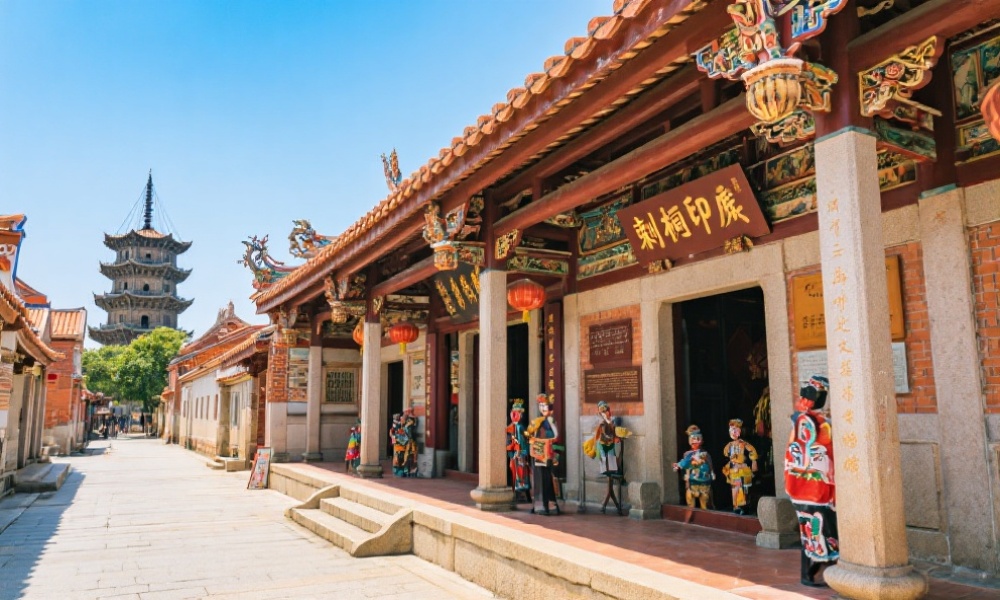
Quanzhou, an ancient city once praised as "Zaitun" by Marco Polo, is not only a UNESCO World Heritage Site but also the starting point of the Maritime Silk Road. Its profound historical heritage and diverse cultural fusion make it an ideal destination for exploring the unique charm of Chinese civilization. This article will plan an in-depth tour route centered on culture and art, aiming to guide you beyond superficial visits and allow you to immerse yourself in the essence of Quanzhou's humanistic spirit.
Day 1: The Ancient Charm of the Maritime Silk Road and the Religious Emblem of Zayton
A cultural journey through Quanzhou should begin with its most representative historical landmarks. In the morning, we suggest you first visit Kaiyuan Temple, located in the city center. This ancient temple, founded in the Tang Dynasty, is not only the largest Buddhist temple in Fujian Province but also a testament to the fusion of diverse cultures in Quanzhou. The east and west pagodas within the temple blend Hindu, Buddhist, and traditional Chinese architectural styles. The pagoda reliefs are exquisite, especially the exotic elements such as the Kalavinka and the Sphinx, silently telling the story of its former glory as a hub of international trade. Stroll through the temple, feel the tranquility of ancient banyan trees and the swirling incense smoke, and experience the profound influence of Buddhist culture on Quanzhou. Kaiyuan Temple is not only a religious site but also an open-air architectural museum, where every brick and tile carries the memories of history.
Afterwards, stroll along West Street next to Kaiyuan Temple. This ancient street, with a history spanning over a thousand years, is the best-preserved historical district in Quanzhou. Lined with typical Minnan red-brick houses, its arcade buildings and traditional Western-style buildings create a unique architectural style. Here, you can not only savor authentic Quanzhou snacks but also observe the daily lives of local residents up close, experiencing the vibrant atmosphere of this ancient city. West Street itself is a living history of Minnan culture, its rich local flavor creating an interesting contrast with the solemnity of Kaiyuan Temple.
In the afternoon, we will delve deeper into another aspect of Quanzhou's religious diversity. Turning from West Street into Tumen Street, the first thing that catches the eye is the Qingjing Mosque, the oldest existing mosque in China. This mosque, originally built in the Northern Song Dynasty, is heavily influenced by the Damascus Mosque in Syria. Its stone-built altar, minaret, and other relics are powerful evidence of the flourishing of Arab Muslims in Quanzhou. It bears witness to the close ties between Quanzhou and the Arab world during the Maritime Silk Road period, as well as the inclusive spirit of harmonious coexistence among different faiths. Adjacent to the Qingjing Mosque is the Tonghuai Guanyue Temple (Guandi Temple), one of the most popular folk religious centers in southern Fujian. This close coexistence with the Qingjing Mosque vividly illustrates the diverse and symbiotic religious culture of Quanzhou, showcasing the rich layers of faith and a society where faiths coexist without interference.
In the evening, a visit to the Quanzhou Maritime Museum is recommended. As China's only specialized museum comprehensively reflecting the history of ancient maritime trade, it houses a large collection of precious artifacts, such as the Song Dynasty shipwreck "Quanzhou Bay Ancient Ship" and its recovered artifacts, as well as various religious stone carvings. Through exhibits of artifacts, models, and multimedia displays, you will gain a systematic understanding of Quanzhou's glorious history as "the largest port in the East," experience the magnificent scene of different civilizations converging and merging here, and deeply understand the profound significance of the Maritime Silk Road for cultural exchange in Quanzhou and even the world.
Day 2: Minnan Arts and Crafts: The Living Inheritance and Innovation of Intangible Cultural Heritage
The second day of the trip will focus on Quanzhou's unique Minnan art and intangible cultural heritage. In the morning, we recommend visiting the Quanzhou Museum . As a comprehensive museum, it systematically showcases Quanzhou's historical evolution, cultural customs, folk culture, and artistic achievements. From prehistoric civilization to modern development, from ceramics to calligraphy and painting, the Quanzhou Museum is an excellent window into understanding the full picture of Minnan culture. Through the exhibits here, you can gain a deeper understanding of Quanzhou's unique regional cultural characteristics and its place in Chinese civilization.
Afterwards, immerse yourself in the ancient musical arts of Quanzhou. Visit the Quanzhou Nanyin Art Garden (or a related heritage center) to listen to Nanyin, hailed as a "living fossil of Chinese music." Nanyin is one of the oldest surviving Han Chinese musical genres. Its elegant singing style, unique instruments (such as the Nanpa, Dongxiao, and Erxian), and rigorous performance style all embody the legacy of ancient court music. Nanyin was inscribed on UNESCO's Representative List of the Intangible Cultural Heritage of Humanity in 2009. Here, you can not only enjoy professional Nanyin performances but also try your hand at simple instrument experiences, feeling its unique rhythm and aesthetics, and understanding its cultural value as the spiritual home of the Minnan people.
In the afternoon, shift your artistic experience to visual and performance aspects. Head to the Quanzhou Puppet Theatre (or a related intangible cultural heritage experience site). Quanzhou string puppetry boasts a long history and is renowned for its exquisite manipulation techniques and diverse character designs. Thin strings connect the puppets' joints, giving them life in the hands of the performers, depicting stories of joy and sorrow. Watching a puppet show will amaze you with the artist's nimble fingers and the delicate emotions the puppets can express. This is not only a visual feast but also a reflection on the inheritance and innovation of traditional theatrical art. If time permits, some experience sites also offer introductory courses in puppet making or manipulation, giving you the opportunity to experience the charm of this intangible cultural heritage firsthand.
In the evening, it's recommended to stroll leisurely through Quanzhou's old town, find a traditional teahouse, and savor a cup of authentic Minnan Kung Fu tea. Amidst the fragrant aroma, reflect on the sights and sounds of the past two days, allowing Quanzhou's profound cultural and artistic atmosphere to settle in your heart. A cultural and artistic journey through Quanzhou is not simply about checking off tourist attractions, but a multi-dimensional and profound sensory and spiritual experience. It will guide you through time and space, engaging in a deep dialogue with this ancient yet vibrant city.