
How many meals do people in Ningbo eat a day? Just follow the hours!
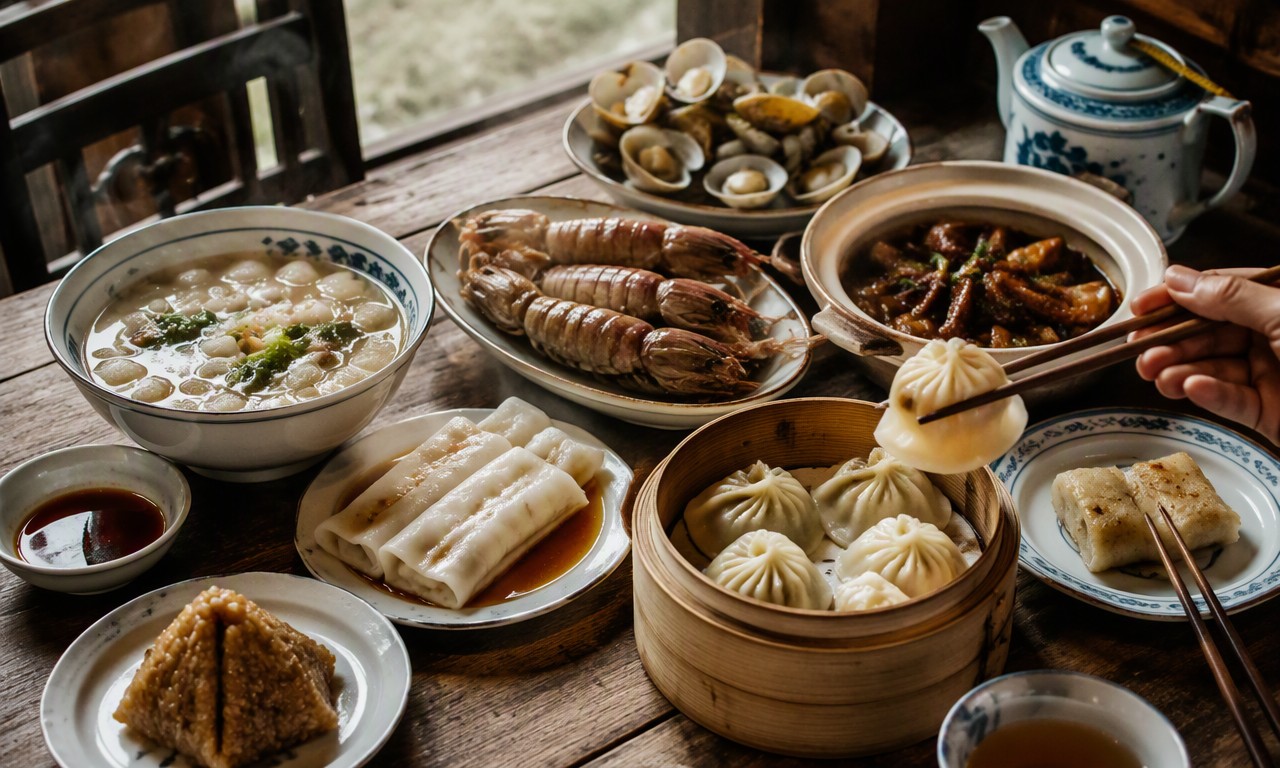
Many readers ask, "What are the must-eat foods in Ningbo?", but very few ask, "What time is the right time to eat them?" The character of Ningbo snacks is tied to the time of day—the first pot of noodles at the morning market, the chilled ash-water dumplings in the afternoon, and the piping hot beef offal rice noodles late at night. If you miss these times by even two hours, the taste and experience are halved. This article, organized by six time slots throughout the day, explains what to eat at each time and why it's essential to eat at that particular time. After reading it, you can directly plan your itinerary accordingly.
6:00 AM First pot of food at the morning market
The best thing to eat at this time isn't the trendy pan-fried buns, but the mianjie noodles next to the old market. Mianjie is a Ningbo specialty, made with tofu skin wrapped around meat; the skin is thin and the meat is firm, and it's made fresh to order. Around 6 a.m., the first batch of broth hasn't been diluted by later customers adding water, so the aroma of lard and alkaline noodles is most pronounced. Local aunties and uncles who get up early to buy groceries will sit on plastic stools with a bowl of this, snoring away before heading off to buy groceries—this is their default "first meal."
Why this specific time? Because the dough knots have thin skins, and if soaked for too long, they become mushy. The texture is perfect within the first few minutes after the first batch comes out. If you go any later, the broth will be replenished, and the dough knots will have been cooked twice, so the taste will become "okay," not "perfect." If you can't get up at six, you can still catch the tail end at seven, but don't go later than seven-thirty.
8:00 Local breakfast
Eight o'clock is the official breakfast time in Ningbo, a perfect time to sit down and enjoy a set of "scallion pancakes and fried dough sticks with savory soy milk". Ningbo savory soy milk contains dried shrimp, seaweed, fried dough stick crumbs, and a little soy sauce. The soy milk is slightly flocculent when brewed, and paired with freshly baked scallion pancakes, it offers both crispiness and softness. It's best eaten at this time because the fried dough sticks and pancakes must be fresh from the oven; if they cool down for more than twenty minutes, they are completely different.
Another hidden option is cifantuan (sticky rice balls), but note that Ningbo's local cifantuan tends to be savory, filled with fried dough sticks, pickled vegetables, and a little bit of pork floss, unlike the sweet version found in Shanghai. Buy it around 8 AM; the rice is still steaming from the wooden bucket, and when formed into a ball, it doesn't fall apart or stick together. The best reason to eat it at this time is—it's a "hand-warming breakfast," perfect for when it's still a bit chilly in the morning. After 9 AM, the sun is high, and the cifantuan in your hand will be cold.
11:00 Lunch Service
The lunch market opens at 11:00 AM, and at this time you should try seafood noodles or yellow croaker soup with pickled mustard greens. Ningbo is a coastal city, and fishing boats usually arrive in port in the early morning. The seafood is sorted in the morning, and the lunch market offers the freshest first batch of seafood for the day. Pickled mustard greens are made by cooking yellow croaker in soup. The umami flavor doesn't come from MSG, but from the time difference between the fish and the pickled vegetables. If you go at 11:00 AM, the fish has just been processed and hasn't been put into the refrigerator yet, so the meat is at its firmest.
Why not eat yellow croaker at night? Because by the time you arrive at the evening market, the best small yellow croakers have already been picked over during the lunch market. Also, the evening market is often for entertaining guests, so the prices and atmosphere are more formal. At lunchtime, a bowl of yellow croaker noodles or a serving of salted yellow croaker with rice can be had for just a few dozen yuan per person, offering the freshest and cleanest taste of the day. If you arrive after 11:30, you might have to wait for a table, but you're waiting for the stove, not for the preparation of the croaker.
3:00 PM Afternoon tea or sweet soup
At 3 PM, Ningbo locals rarely eat hot sweet soup; instead, they enjoy cold glutinous rice snacks—ash-water dumplings and rice buns. Ash-water dumplings are made with rice straw ash water, becoming more elastic when cooled, with a slightly alkaline aroma and a light grayish-green color. Rice buns are small round cakes made from fermented rice flour, steamed until cool, offering a slightly sour and sweet aftertaste reminiscent of fermented rice wine. They're eaten at this time because after a savory lunch, the stomach craves a touch of sweetness that isn't greasy or filling, and the flavor and aroma are most complete when eaten cold.
Never eat ash-juice dumplings in the morning or evening—they're too bland in the morning and too cold in the evening, making you feel uncomfortable. Only around 2 or 3 pm, when the weather is a bit warmer, can you understand why Ningbo people consider them "afternoon tea" rather than "snacks." Pair them with a cup of warm tea, not coffee.
18:00 Night market or evening market
After 6 PM, the tables of Ningbo locals begin to feature marinated and pickled dishes—such as pickled red-roe crab, drunken mud snails, and clams. These aren't meant to be eaten with rice, but rather as snacks to enjoy with drinks, perfect for slow eating and conversation. Pickled red-roe crab must have red roe, and the crab meat should be translucent, dipped in a little rice vinegar; drunken mud snails must be marinated in Shaoxing wine, offering a salty initial taste followed by a fresh, savory flavor. This time of day is chosen because dinner is often a long meal, and the raw marinated items are meant to be savored in small bites, perfectly complemented by warmed Shaoxing wine.
Many travel guides will tell you "you must try pickled crab when you go to Ningbo," but they don't tell you not to eat it in a rush at noon. First, raw pickling requires a clear palate, and you won't be able to appreciate the nuances in a hurry at noon. Second, red-roe pickled crab is quite salty, and eating it at noon will make you thirsty and affect your afternoon plans. Sit down after 6 pm, drink a couple of sips of hot soup before eating the crab, and the order will be more natural.
22:00 Late-night snack
During late-night snacks, Ningbo locals typically enjoy hot soup noodles—either beef offal rice noodles or seafood hot pot. The broth for the beef offal rice noodles is made from beef bones, and the thin noodles easily absorb the flavor. Eaten after 10 PM, the broth has been simmering all day, resulting in a rich but not overly sweet soup. The seafood hot pot is made by cooking leftover seafood, rice noodles, and cabbage together in a piping hot pot. These dishes are eaten at this time because they are warming, easy to digest, and unlike barbecue, they won't keep you awake afterward.
Why not go to a street food stall and order a bunch of stir-fries? Because after 10 pm, people's sense of taste starts to dull, and heavily oiled and salty stir-fries will only make you feel unwell the next day. Beef offal noodles or a clay pot dish have just the right amount of saltiness, you can finish the soup, and walking home afterward is perfect for a good night's sleep. If you're staying in the old town, there are stalls nearby in the alleyways; you don't need to take a taxi specifically to find them.
Eating in Ningbo by the hour isn't pretentious; it's the rhythm of life that locals have developed over time. The food available at each time of day reflects the stall's opening hours, the arrival time of ingredients, temperature fluctuations, and people's appetite patterns. You don't need to follow it all exactly, but at least remember two things: noodles with a knotted texture are only eaten the first batch at the morning market, and ash-water dumplings are only eaten cooled in the afternoon. Mastering these two points is more effective than collecting twenty recommendation lists.