
Food Guide to Ningbo: A Journey to Discover Authentic Local Flavors
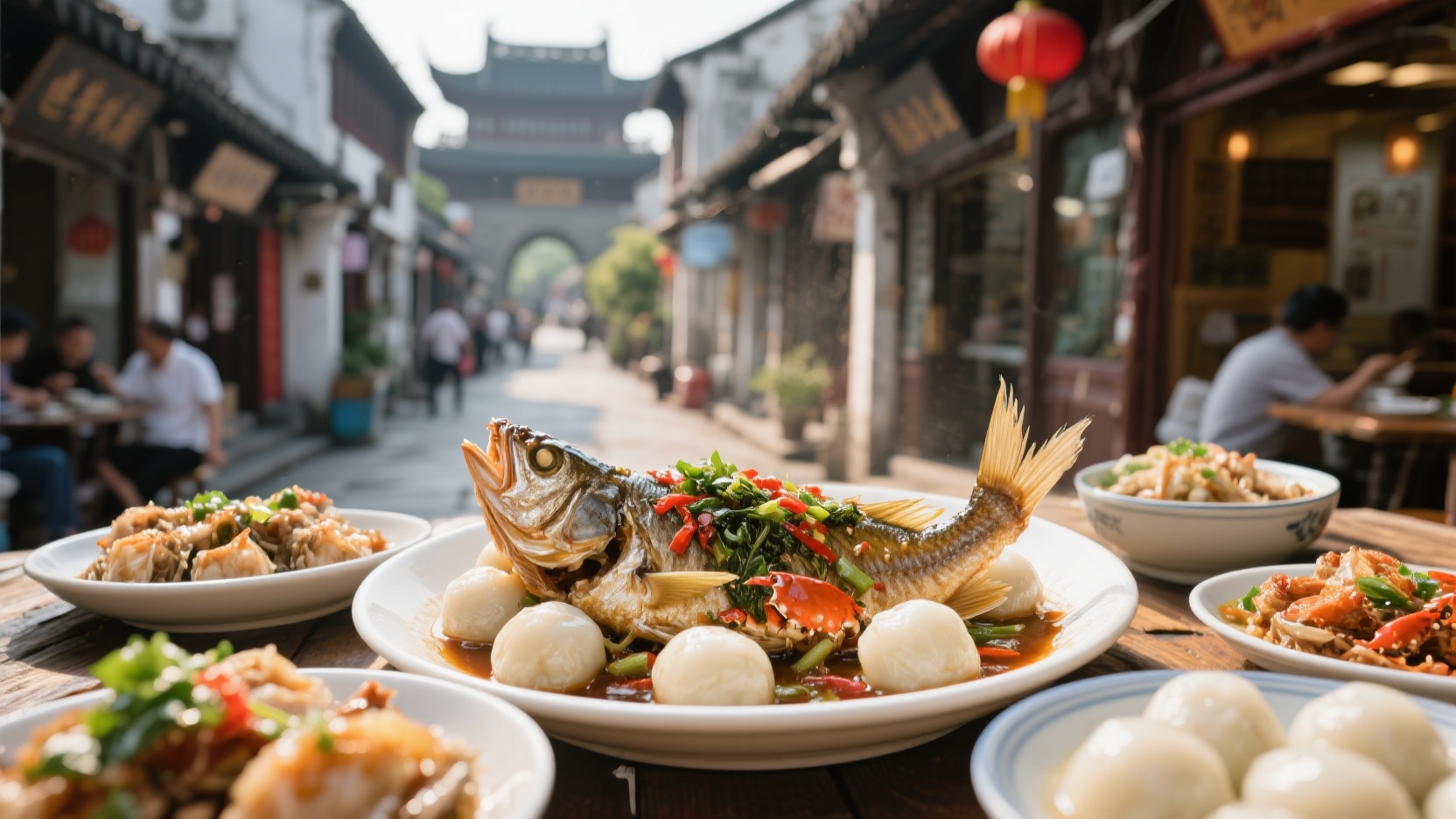
Ningbo, a port city on the coast of the East China Sea, boasts a culinary culture characterized by a harmonious blend of freshness and saltiness, deeply embodying the essence of "living off the sea." Its unique geographical location and rich history have endowed Ningbo cuisine with flavors distinct from other parts of Jiangnan, combining the exquisite freshness of seafood with the rustic charm of farm-style dishes. For travelers seeking authentic local cuisine, Ningbo is undoubtedly a treasure trove of flavors worth exploring.
Must-try signature dishes list
When exploring Ningbo's culinary scene, the following signature dishes are a must-try for your taste buds:
Red Roe Marinated Crab: As a representative of Ningbo's raw marinated seafood, red roe marinated crab uses plump swimming crabs full of roe and meat, marinated with salt, wine, and other seasonings. Its characteristics include translucent crab meat that melts in your mouth, and a jade-red roe that is rich, sweet, and savory with a hint of sweetness. It is a top-tier cold dish for entertaining guests in Ningbo. Note that this dish is eaten raw and requires extremely fresh ingredients; it is recommended to choose a reputable restaurant.
Yellow Croaker with Pickled Mustard Greens: This is a classic Ningbo home-style dish. It features pickled mustard greens, made from locally grown mustard greens, cooked together with tender yellow croaker. The broth is milky white, and the fish meat is as white as garlic cloves. The salty and savory flavors of the mustard greens and the freshness of the yellow croaker permeate each other, creating a rich and flavorful taste with a lingering aftertaste. The broth is the essence of the dish and is especially delicious with rice.
Ningbo Tangyuan (Sweet Rice Balls): As one of the representatives of traditional Chinese snacks, Ningbo Tangyuan is famous for its unique black sesame and lard filling. The skin is made from high-quality glutinous rice flour, resulting in a soft, chewy texture. The filling is made from black sesame seeds, lard, and sugar, and when heated, the filling flows out, releasing a rich sesame aroma and a sweet but not cloying flavor. It is usually served boiled and is a top choice for local festivals and everyday desserts.
Ningbo-style Roasted Vegetables: This is a typical Ningbo home-style cold dish, mainly made from leafy greens or Chinese cabbage. After being stir-fried in oil, they are slow-roasted (essentially a braising process) with soy sauce, sugar, and other seasonings. The finished dish features tender, chewy cabbage leaves, a rich sauce, a perfect balance of sweet and savory, and a unique caramel flavor. Roasted vegetables are especially delicious served cold, with a mellow flavor, making them a perfect accompaniment to porridge or rice.
Fenghua Taro: Fenghua taro is a specialty of Fenghua, Ningbo, known for its large size, powdery texture, and sweetness. It is typically steamed or boiled in soup, resulting in a delicate texture, a strong starchy feel, and a subtle sweetness. Its unique flavor makes it a popular ingredient, whether as a main dish or a side dish.
Seaweed Peanuts: A specialty snack of Ningbo, seaweed peanuts perfectly combine crispy peanuts with the salty and savory flavor of seaweed. The peanuts are fried and then coated with ground seaweed powder, resulting in a crispy texture. The umami flavor of the seaweed and the oily aroma of the peanuts intertwine, making them an excellent snack and appetizer.
Local favorites for food
To truly experience the authentic flavors of Ningbo, it's key to avoid tourist hotspots and head to the neighborhoods frequented by locals. Here are a few areas worth exploring:
Cangqiao Street: Located in Haishu District, this old street retains a relatively complete traditional appearance and is a microcosm of the vibrant atmosphere of Ningbo's old city. It's home to many time-honored snack shops, such as a branch of "Gangyagou" (which attracts tourists, but locals also frequently patronize its stalls), as well as some lesser-known but authentic stalls selling noodles, wontons, and fried dough sticks. On Cangqiao Street, you can find many flavors that Ningbo locals have enjoyed since childhood.
The alleys surrounding Gulou Pedestrian Street: As a landmark of Ningbo, Gulou's pedestrian street is mostly lined with commercial shops. However, the alleys extending outwards from Gulou, such as Gongyuan Road and Xianxue Street, still hide many hole-in-the-wall restaurants frequented by locals. These small shops usually lack fancy decorations, but offer consistent quality food at affordable prices, making them ideal places to sample authentic Ningbo snacks.
Nantang Old Street (non-core area): After its renovation, Nantang Old Street attracts many tourists, but in its two ends or some side streets, you can still find some long-established restaurants or newly opened but locally-approved specialty eateries. For example, some seafood stalls or specialty noodle shops are usually worth a try if you notice a lot of local diners.
In the older communities of Haishu and Jiangbei districts, authentic local cuisine is often hidden deep within residential areas. For example, around Yuehu Shengyuan in Haishu or near some older neighborhoods in Jiangbei, you might find small, family-run restaurants. They may not have a famous name, but they have won the favor of local residents with their delicious food and affordable prices, thanks to word-of-mouth recommendations. Dishes like pickled mustard greens and shredded pork noodles or seafood stir-fried rice cakes often offer delightful surprises.
Tips for avoiding overpriced and overpriced shops and tourist attractions
When exploring the culinary scene in Ningbo, how to avoid disappointing trendy restaurants and overpriced tourist attractions is a common concern for travelers.
Be cautious with trendy restaurants: Not all trendy restaurants are of poor quality, but many prioritize marketing and visual presentation over the food itself. When choosing a trendy restaurant, in addition to looking at pictures and videos, carefully read genuine customer reviews, especially regarding taste, service, and value for money. Be wary of restaurants with overly exaggerated advertising or those that attract customers solely with their attractive appearance.
Be wary of restaurants in the core areas of tourist attractions: Restaurants within tourist areas, especially those near main entrances or key sightseeing spots, often exhibit "tourist area premiums." Common problems include inflated prices, small portions, and mediocre taste. It is recommended to find food within a 10-15 minute walk of the area's perimeter when visiting tourist attractions; you can usually find more cost-effective and authentic options there.
Observe local customer traffic: A simple and effective criterion is to observe the number of local diners in the restaurant. If a restaurant still has a large number of locals, especially seniors, even on non-holidays, then the quality and price of its food are usually quite reliable. Locals have a stronger ability to discern taste and value for money.
Research beforehand and compare options: Use reliable food platforms or consult locals for authentic restaurant recommendations. For seafood restaurants, especially in coastal areas, be sure to find out the market price of seafood in advance and confirm the price when ordering to avoid being charged exorbitant prices.
Avoid blindly following trends: Don't be misled by short-term online hype or long queues. Some queues are due to scarcity marketing or poor management, and don't necessarily indicate the food's exceptional quality. Choosing established restaurants with a consistently good reputation that has stood the test of time often yields more pleasant surprises.
In Ningbo, slow down and savor the city's unique seaside charm and historical heritage through your taste buds.