
Six must-visit local shops in Ningbo (not the trendy ones) – a list I only dared to write after three visits.
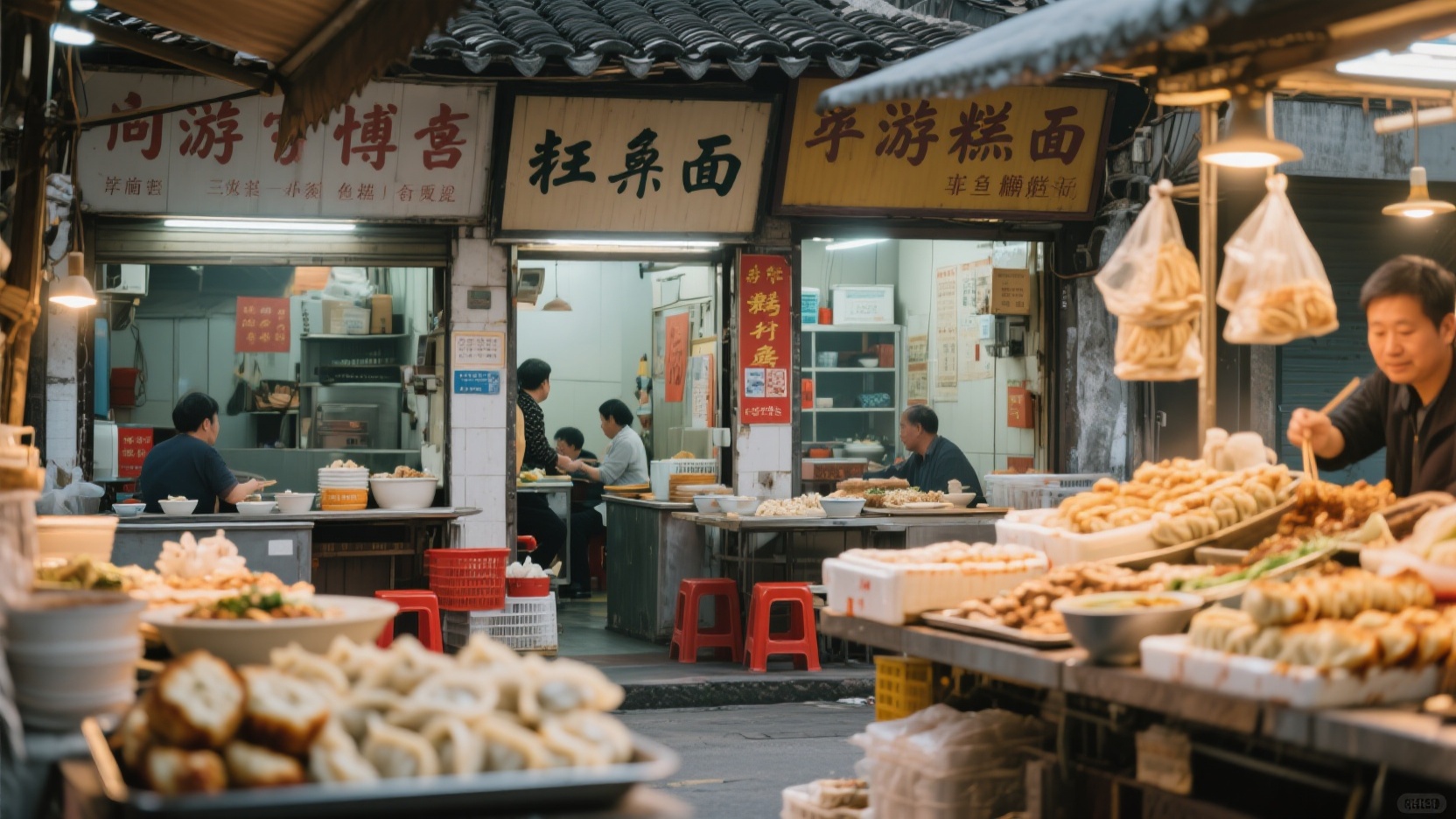
I made this list after three trips to Ningbo: the first time I specifically chose the morning market on a weekday, the second time I braved the rain to venture into the back alleys of Zhangbinqiao Market, and the third time I waited until late at night at Shipu Fishing Port before the stalls closed. Each time, I deliberately avoided the must-eat lists and the top three pages of review apps, only eating at small shops where local aunties and uncles ordered in their dialect. Two of the six shops below don't even have formal signs, but they are the essence of Ningbo's flavor.
The freshness of Ningbo isn't found in fancy seafood restaurants, but in the crispy pan-fried dumplings by the market, the beef bone soup simmering in the early morning, and the freshly made rice cake dumplings in the old streets. I'll break it down by area I visited, with each stall labeled with "How to Order Their Signature Dishes" and "What to Buy Nearby." I suggest saving this list for later reference.
Zhangbinqiao Market area: Pan-fried buns and pork lard chunks at the morning market
Across from the east gate of Zhangbinqiao Market, there's a camphor tree, and the pan-fried bun stall under it only operates for two or three hours a day. The stall owner, an old man, uses sourdough to ferment the dough, pan-frying the bottom until it's a deep brown. The meat filling is freshly chopped pork leg meat from the market, with a very light soy sauce flavor. Why is it worth going? Because it retains the crispy bottom and juicy texture of Ningbo alleyway pan-fried buns from twenty years ago, without relying on large fillings to impress. The signature way to eat it is "six pan-fried buns + a bowl of seaweed and dried shrimp soup," and those who know their stuff will add, "make the bottom a little crispier." The stall only accepts cash. Remember to buy a bag of lye-juice dumplings from the second-to-left pastry stall in the market next door; they're slightly alkaline and slightly sweet, perfect with strong tea in the afternoon.
In the same area, there's also a lard-stuffed food stall tucked away next to a gatehouse in a back alley. Ningbo locals hate the sticky texture of glutinous rice cakes, so this stall uses freshly rendered lard to press a crispy crust onto a griddle, then wraps it around fried dough sticks, pickled vegetables, and an egg. It's crispy on the outside and chewy on the inside, making a satisfying "crunch" when you bite into it. The signature order is "pickled vegetables + half a fried dough stick + an egg"—a savory and crispy treat, best enjoyed hot, standing by the roadside for five minutes. You can also grab some pickled vegetables and braised edamame from the nearby cooked food stall; they're a perfect accompaniment to an ice-cold beer back at the hotel.
Cicheng Old Street in Jiangbei: A Morning of Sticky Rice and Salty Flavors
Cicheng rice cakes are incredibly famous, but the rice cake dumpling stall in the old street, which only operates in the morning market, is rarely seen by tourists. The owner makes the rice cake dumplings fresh every day, the skin is soft yet chewy, and they're filled with pickled mustard greens and bamboo shoots or hot sesame candy. Why make a special trip? Because only here can you eat rice cake dumplings that are still warm, fresh out of the pot—that glutinous texture is something vacuum-packed food can't replicate. The signature order is "one savory and one sweet." The savory one has a spoonful of minced meat added, while the sweet one requires waiting for the hot sesame candy to slowly melt into the center. Next door, there's a handmade sesame candy stall with freshly cut candy that's still warm; buy half a pound and enjoy it while strolling around.
The old lady's savory soy milk at the old street corner isn't just a light salting up of sweet soy milk. She arranges dried shrimp, fried dough stick crumbs, chopped scallions, and a few drops of soy sauce at the bottom of the bowl, then pours in the boiling soy milk, causing tiny tofu curds to form on the surface. This stall only operates in the morning and usually closes after 9 am. Her signature combination is "a bowl of savory soy milk + a glutinous rice ball," with the savory soy milk poured thickly and the rice ball pressed firmly by the old lady. Across the street, the grocery store sells Cixi dried bayberries, which are very satisfying outside of bayberry season; I often buy a small jar while I'm there.
Yinzhou Township Road and Zhenhai Market: Beef Noodles and Rice Balls at 5:30 in the Morning
When I went to find this beef noodle shop in Jiangshan Town, I almost thought I had taken the wrong road. The shop is in a self-built house behind the market, with no lightbox, just a pot of beef bone broth steaming from 5:30 in the morning. Why is it worth going? Because the broth is slowly simmered with beef bones and offal, the sweet potato noodles don't fall apart even after long cooking, and the beef is fragrant but not greasy. The signature order is "beef offal noodles + a spoonful of chili sauce + sliced beef shank," with the beef shank sliced thinly and best enjoyed dipped in local soy sauce. The rice buns sold at the entrance of the nearby market have a slightly sour, fermented rice flavor; buy a box to take in as snacks.
At the Camel Market in Zhenhai, the glutinous rice ball stall has a wooden bucket set up right at the entrance. The rice is steamed perfectly, each grain separate, unlike many shops in the city that use sticky glutinous rice to make up the difference. The signature order is "mixed glutinous rice and white glutinous rice," filled with freshly peeled salted egg yolk, fried dough sticks, and pickled vegetables. The old lady will ask if you want it firm, and you must answer "firm." Next door, the frozen rice candy stall sells crispy but not cloying candies. Buying a big bag doesn't cost much, making it a great snack for a road trip.
Late-night fish noodle soup and three restaurants near Shipu Fishing Port
The last shop was in Shipu, Xiangshan. Fish cake noodles are a local specialty; minced fish meat is repeatedly pounded with sweet potato starch, then cut into noodles and cooked in a broth with small seafood. I waited until 9 PM, when the dockworkers gradually sat down, before the owner finally set up her stall. The signature order was "a bowl of fish cake noodles + a spoonful of homemade pork lard," the broth so flavorful it felt like the entire fishing harbor had been cooked in it. The nearby morning market had dried anchovies and dried shrimp; buying some to take home was amazing for making soup noodles the next day.
None of these six restaurants are suitable for a "must-visit" dining experience. The environment is ordinary and the opening hours are flexible, but they all embody the freshness, saltiness, glutinousness, and crispness of Ningbo cuisine. My biggest takeaway from these three visits is that the more inconspicuous the small shop, the more likely it is to hold the true essence of the city's flavors.
First rule to avoid these pitfalls: Don't go during peak meal times. Morning market stalls close around 9 AM, and late-night stalls don't open until after 9 PM; the clocks of established shops don't accommodate tourists. Second rule: Don't just order the signature dish. Many small restaurants have a hidden gem: "signature dish + local pickled vegetables/chili sauce." Ordering only the signature dish will make you miss out on the perfect combination. Third rule: Remember to bring cash. Many market and town vendors still only accept cash; having change on hand is more useful than your phone.