
These 8 seasonal delicacies from Haikou | A seasonal limited list I waited four seasons to post (avoiding pitfalls)
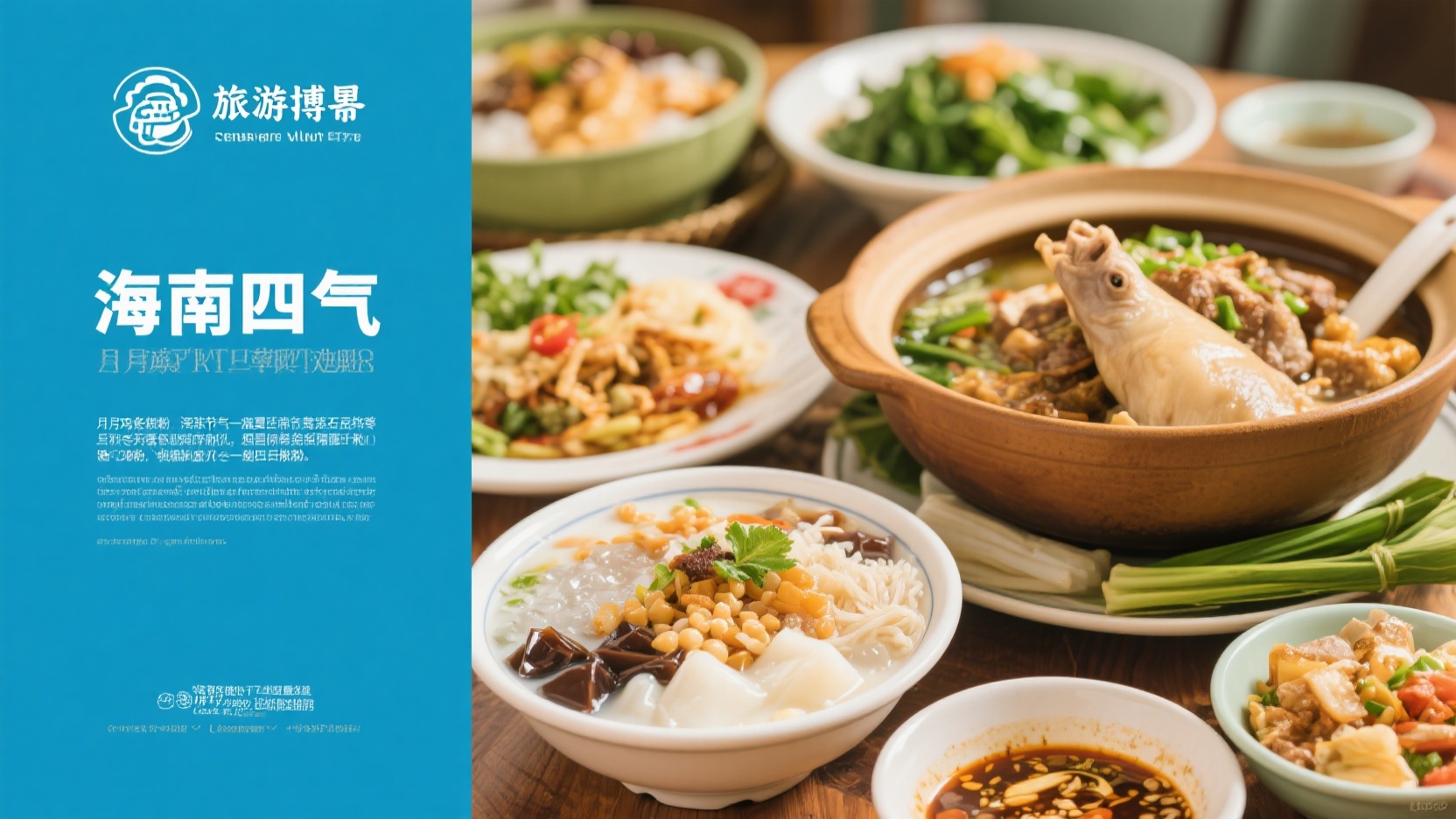
On my first trip to Haikou, I made the mistake of blindly following the must-eat list, ordering vegetarian hot pot in the summer and salted yellow plums in the winter, earning me the laughs of locals who said I "didn't know how to eat according to the weather." Later, I visited Haikou four times, specifically following the seasons to explore the markets and old streets, and discovered that the city's flavors follow the lunar calendar: some things aren't bad, they're just not at the right time, the ingredients and atmosphere aren't right. The following eight seasonal dishes are the truly "once-in-a-lifetime" ways to eat that Haikou locals believe are irreplaceable.
I. Spring Equinox and Qingming Festival: Chicken Shit Vine Rice Cake, Haikou People's "Spring Green Rice Dumplings"
The first time I saw bundles of *Paederia scandens* leaves at a Haikou market in spring, I was put off by the name. Later, at a signless dessert stall near the Qilou Old Street, the owner only brought out a stone mortar to make rice cakes before Qingming Festival, and I realized it was truly a seasonal event. *Paederia scandens* leaves are at their tenderest around Qingming; after Grain Rain, the fibers coarse, and the rice cakes made from them become dry. Locals have a tradition of eating *Paederia scandens* on the third day of the third lunar month, believing it dispels dampness and wards off evil. The authentic way to eat it is to hand-roll the rice cakes to the size of a little finger joint, and serve them with ginger syrup or coconut milk. Each bite has a slightly grassy, sweet aftertaste, something that frozen versions simply can't compare to.
II. Start of Summer and Great Heat: Cooling and nourishing soup, volcanic lychee and salted yellow peel
Haikou in summer is like a sauna during the day, but it truly comes alive at night when the Qingbuliang (a type of sweet soup) stalls on Haidian Island and Fucheng come alive. Many people think that Qingbuliang isn't limited to any particular time of year, but the old Haikou locals only recognize the coconut milk Qingbuliang served with crushed ice on summer nights: nearly ten kinds of ingredients, including mung beans, barley, winter melon and barley, taro, and dried longan, are arranged at the bottom of the bowl, topped with chilled coconut milk. One sip and you're cooled from your throat to your back. In winter, it's a lukewarm sweet soup, but in summer, it's a "lifesaver" of coolness.
Similarly, the volcanic lychee king from Yangshan area in Haikou is also only available in summer. Grown in the volcanic soil between the beginning of summer and the Grain in Ear solar term, these lychees have thick, sweet flesh, but their peak season is extremely short. Locals' secret way of enjoying them is to peel them and then refrigerate them for two hours, or simply dip them in a little salt for an even more intense sweetness. Once past their peak season, the flesh turns sour and the aroma dissipates, so I don't recommend tourists try to catch lychees in late June.
If lychees represent "freshness," then salted wampee is the "cooling agent." Wampee fruit ripens only from May to July. Locals in Haikou crush fresh wampee peels, add salt and ice water to make salted wampee water. The saltiness of the salt masks the sourness of the wampee, quenching thirst and promoting saliva production. Outside of this season, vendors can only use syrup or frozen fruit, which is entirely different.
III. End of Heat and Frost's Descent: Seafood from Dongzhai Port Comes to Market, Autumn Oysters and Mangrove Saltwater Ducks
When it comes to seafood in Haikou, true connoisseurs don't crowd into the touristy food stalls. Instead, they wait until the fishing season opens and make a trip to Dongzhai Port or Qukou. After the Autumnal Equinox, Qukou oysters begin to plump up for winter. While these autumn oysters aren't quite as plump as winter oysters, their advantage lies in the freshly cooled seawater, resulting in firm meat and concentrated flavor. Locals prefer steaming or hot pot with oysters, dipped in a garlic sauce made with kumquats, never using heavy spice or garlic to mask their sweetness.
Alongside the autumn oysters in the same mangrove mudflats, there's another easily overlooked seasonal delicacy—salted duck. Mangrove saltwater ducks spend most of their time foraging for small fish and shrimp in the intertidal zone, resulting in active and firm, yet tender, meat. In autumn, the ducks molt and fatten, developing thin skin, less oil, and elastic meat, making them perfect for poaching. Locals in Haikou would serve it with a bowl of duck rice and a spoonful of duck fat and garlic sauce—a culinary signal of autumn.
IV. Winter Solstice and Great Cold: Stewed Lamb from Stone Mountain with Vegetarian Dishes - Warming the Stomach and Refreshing the Palate
Although Haikou isn't cold in winter, the damp, chilly sea breeze prompts locals to start enjoying hot pot. Young lambs raised in the volcanic rock area of Shishan Town are considered most nourishing around the winter solstice, with tender meat and almost no gamey taste. Haikou locals prepare them by simmering lamb belly and offal in a clear broth, first enjoying a bowl of peppered lamb soup, then dipping it in a mixed sauce. Eating lamb in summer is considered too heaty, so eating it in winter aligns with the traditional Chinese concept of "winter nourishment."
Another dish is a unique Haikou specialty for the Lunar New Year – vegetarian stew. It's more than just a dish; it's a ritual that appears on Haikou people's tables from the Winter Solstice to the first day of the Lunar New Year. Daylily, dried bean curd, shiitake mushrooms, wood ear fungus, water celery, and beets are arranged in a specific order in a clay pot, symbolizing "cleansing the palate and accumulating good fortune." Water celery and beets, in particular, are homophones for "diligence" and "sweetness" in the local dialect, making them most common around the Lunar New Year. Tourists don't necessarily miss out on the food, but rather find it difficult to experience the festive atmosphere of every household making this stew.
V. Blogger's Summary and Tips for Avoiding Pitfalls
Eating in Haikou shouldn't be based solely on "must-eat lists." My mistakes included ordering vegetarian hot pot in summer and seeking out loquat juice in winter, neither of which were quite right. This isn't a restaurant list, but rather an culinary calendar based on the seasons. Matching the ingredients and atmosphere to the right times completely changes the experience.
Practical Tips: 1. For the best chicken-dung vine rice cake, visit the Qilou Old Street or Fucheng Old Alley around the third day of the third lunar month, and sit down only when you see an old lady making it on the spot; 2. For the authentic Qingbuliang (a type of sweet soup), only choose old shops that open at night, and offer more than ten kinds of toppings; 3. Volcanic lychees and yellow peel fruits are most abundant from the beginning of summer to the minor heat, and it's cheaper to buy them at the North and South Fruit Markets than at tourist attractions; 4. Qukou oysters and salted ducks are most reliable from the end of summer to before the Spring Festival, and it's best to drive to farmhouses around Dongzhai Port; 5. Shishan dairy goats are best enjoyed after the winter solstice, and you can have a satisfying meal for a few dozen to a hundred yuan per person; 6. For vegetarian hot pot, it's recommended to visit between the twelfth lunar month and the first day of the first lunar month, and you can't go wrong if you see shops with water celery and beets piled up at the entrance.
Eating according to the seasons is the right way to experience a city.