
A Day in the Life of a Haikou Resident | 8 Local Daily Dishes from Breakfast Stalls to Late-Night Food Stalls
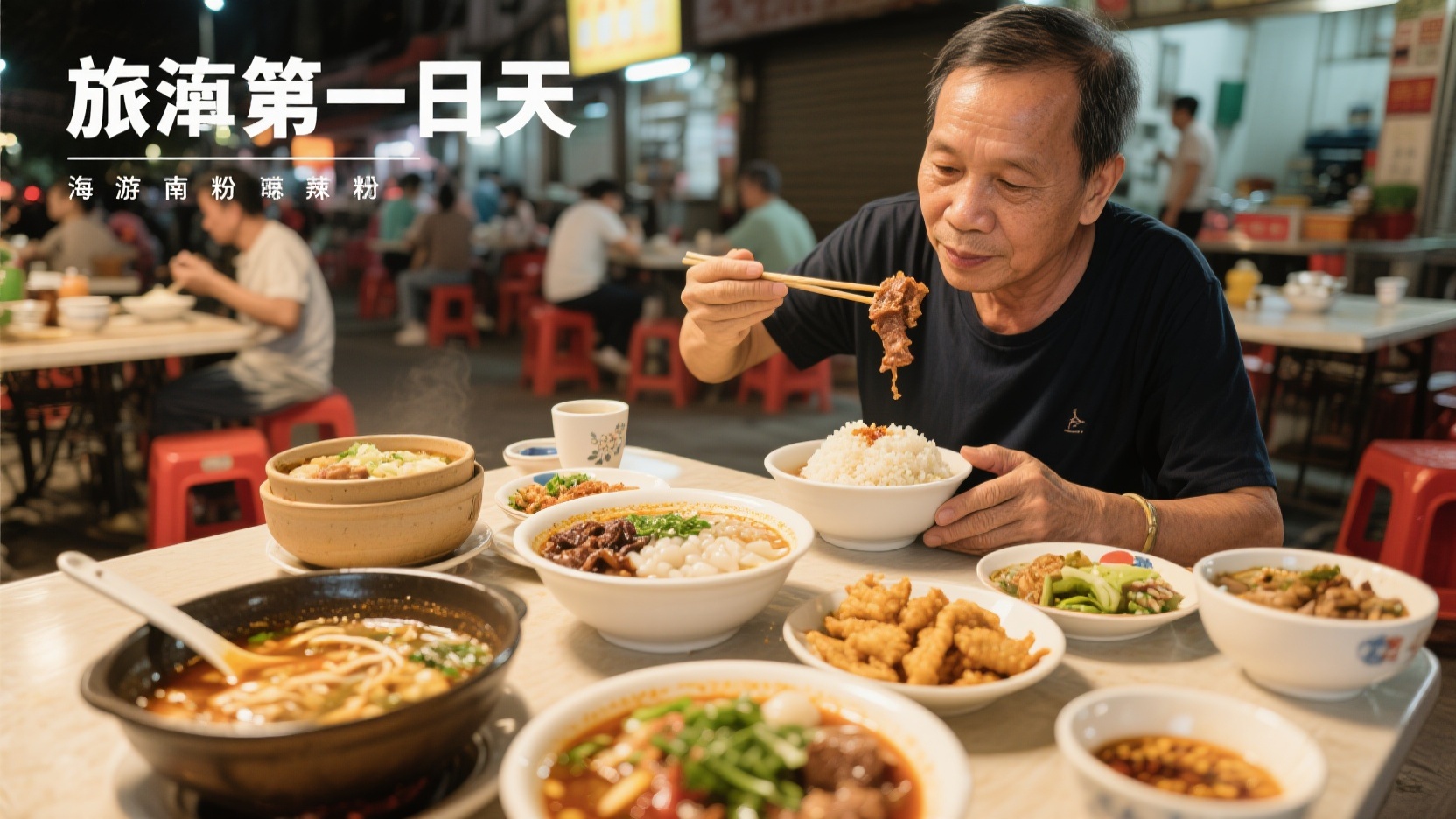
The eating schedule of Haikou residents is more consistent than their commuting schedule: a bowl of Hainan noodles in the morning, a plate of beef brisket rice at noon, a visit to a traditional teahouse in the afternoon, and a late-night meal of fermented rice vinegar and refreshing dessert. Following this timeline, one can see the true daily meals of the locals.
07:00 Hainan Rice Noodles: The Top Choice for Breakfast in Haikou
Hainan rice noodles are the most recognizable flavor of Haikou in the early morning. Thin rice noodles are quickly blanched and drained, then tossed in an amber-colored gravy made with soy sauce, spices, and starch. They are then topped with dried beef, dried pork, peanuts, sesame seeds, pickled vegetables, bean sprouts, and garlic oil. The noodles are smooth and silky, with a savory-sweet gravy. Paired with a bowl of hot conch soup, it's a quick and easy breakfast for office workers, easily prepared in ten minutes at a small shop in the old arcade streets. Haikou locals believe in eating Hainan rice noodles "just mix and eat," ensuring the noodles cling to the gravy without becoming mushy, while the peanuts and pickled vegetables provide a crunchy texture. A bowl of this is what truly wakes you up.
08:30 Spicy Soup Rice: Peppery and refreshing soup from the entrance of the water alley.
Near the pier, in the Shuixiangkou area, spicy soup rice is another breakfast tradition. The so-called "spicy soup" isn't made with chili peppers, but rather with the spiciness of white pepper. Pork heart, pork tongue, pork intestines, and lean meat are cooked in a pepper broth until tender, then pickled cabbage and scallions are added, resulting in a clear, glistening broth. A typical spicy soup rice meal comes with a small bowl of rice and a fried egg. After drinking the soup and eating the meat, the pickled cabbage broth is poured over the rice. The flavor is initially spicy, then warming, making it especially suitable for sweating and dispelling dampness on a hot, humid morning. It was once a high-calorie breakfast for dockworkers and is still considered by many in old Haikou as a meal that gives them the energy to work.
12:30 Beef brisket rice: A quick lunch at a local eatery
In Haikou's old town, lunchtime eateries often feature a few braised food pots outside, with beef brisket rice being the most popular choice. The beef brisket is slow-braised with cardamom, star anise, and fermented bean curd until tender and juicy, then thickly sliced and poured over hot rice, accompanied by pickled bamboo shoots, taro stems, Chinese sausage, or stir-fried bean sprouts. The beef brisket, with its tendons, is chewy and collagen-rich, and the braising sauce seeps into the rice, creating a savory and satisfying meal. These eateries don't focus on presentation; their strength lies in the richness of their braising broth and the speed of service. People working nearby can grab a bite within five minutes. A plate of beef brisket rice with a daily soup is the most common and hearty lunch option in Haikou.
13:30 Vegetarian Hot Pot: Everyday Human Touches Amidst the Vegetarian Flavors
Vegetarian hot pot originated from festive foods in northern Hainan and has now become a popular choice for lunch or dinner gatherings in Haikou. The traditional vegetarian base consists of dried bean curd sticks, vermicelli, daylily buds, wood ear mushrooms, shiitake mushrooms, beets, shallots, and peanuts, cooked in a clear broth of bean sprouts or water, and simmered slowly over charcoal in an earthenware pot. The ingredients absorb the broth, resulting in a fresh and slightly sweet flavor, with the aromas of mushrooms and beans intertwined. Nowadays, most restaurants allow the addition of beef brisket, duck gizzards, or seafood to the vegetarian base, but local families still traditionally eat the vegetables first before adding meat. It's not about heavy flavors, but rather the lively atmosphere of sharing the meal around the pot and the natural taste of the vegetables—a reflection of Haikou's understanding of a "light and easy-to-eat" lifestyle.
3:30 PM: Old man's tea and radish cake with egg: a slow-paced afternoon.
At 3 PM, Haikou's "Old Dad's Tea Shop" enters its busiest time. A pot of black tea with condensed milk is called "tea drop." The condensed milk settles at the bottom of the cup, and the drinker stirs it themselves, allowing the tea's color to deepen and the sweetness to be controlled. The classic accompanying dessert is radish cake with egg: shredded white radish and rice flour are steamed into a cake, cut into pieces, coated in egg wash, and pan-fried until golden brown on both sides, crispy on the outside and soft on the inside. Dipped in sweet chili sauce, it offers a perfect balance of egg flavor and the refreshing sweetness of radish. Customers at the "Old Dad's Tea Shop" can sit for an entire afternoon, chatting, reading newspapers, or studying lottery tickets. Whether they eat their fill or not is unimportant; what matters is spending their time relaxing.
17:30 Fried Food: Sweet and Salty Memories from the School Gate
As evening falls and schools let out in the evening, the fried food stalls outside primary and secondary school gates in Haikou begin to puff out smoke. Water spinach, eggplant, crab sticks, fish balls, taro skewers, and other ingredients are quickly deep-fried, then brushed with a sweet and savory sauce made from oyster sauce, ketchup, minced garlic, and sugar. The water spinach remains crispy after frying, the rice cakes are crispy on the outside and chewy on the inside, and the chicken wings are fragrant, crispy, and juicy. The sauce is the soul of the fried food—salty with a hint of sweetness and a pronounced garlic flavor. Paired with a glass of chilled brown sugar water or winter melon and barley soup, it's a flavorful afternoon snack that Haikou's young people have enjoyed since childhood.
22:00 Zhaopo Vinegar Hot Pot: A spicy and sour start to a late-night food stall experience.
As night falls, the hot pot made with fermented vinegar at Haikou's food stalls begins to boil. Fermented vinegar is made from the leftover lees from brewing, seasoned with garlic, chili, and sesame oil, resulting in a broth that is sour and spicy without being greasy. Common ingredients include seaweed, bean sprouts, beef offal, sea snails, fresh shrimp, and crab. The sour broth further enhances the sweetness of the seafood, creating a sour, spicy, and sweet aftertaste. Enjoying it late at night is all about whetting the appetite and cutting through the richness of the food; the longer it cooks, the fresher it becomes. People sit around plastic stools, unwinding from the day's fatigue amidst sweating and clinking glasses—this is the most straightforward expression of Haikou's nightlife.
23:30 Qingbuliang: A bowl of icy sweet soup to end the day
In Haikou, Qingbuliang is an indispensable part of any late-night snack list. The coconut milk base is freshly squeezed from mature coconuts, chilled, and then topped with over a dozen ingredients including mung beans, red beans, barley, corn, taro, watermelon, winter melon, macaroni, and peanuts. The coconut milk is rich and fragrant, and the soft, chewy, and crunchy toppings alternate, with a refreshing coolness that washes over you with every bite. Brown sugar syrup or young coconut water bases are also available, but the coconut milk version is the most popular. No matter how much sour, spicy, salty, or savory food you've eaten before, a bowl of Qingbuliang can restore balance to your palate. For the people of Haikou, a night without Qingbuliang just doesn't feel complete.
From a bowl of Hainan noodles in the morning, to beef brisket rice and vegetarian stew at noon, to afternoon tea and evening pickled vegetables and sweet soup, the everyday flavors of Haikou unfold along the timeline. From the streets to the alleys, experience the city through its food in a day.