
These 7 Chongqing Restaurants: A Local Hidden Gem List I Only Boldly Revealed After Three Trips (Not Popular Online Spots)
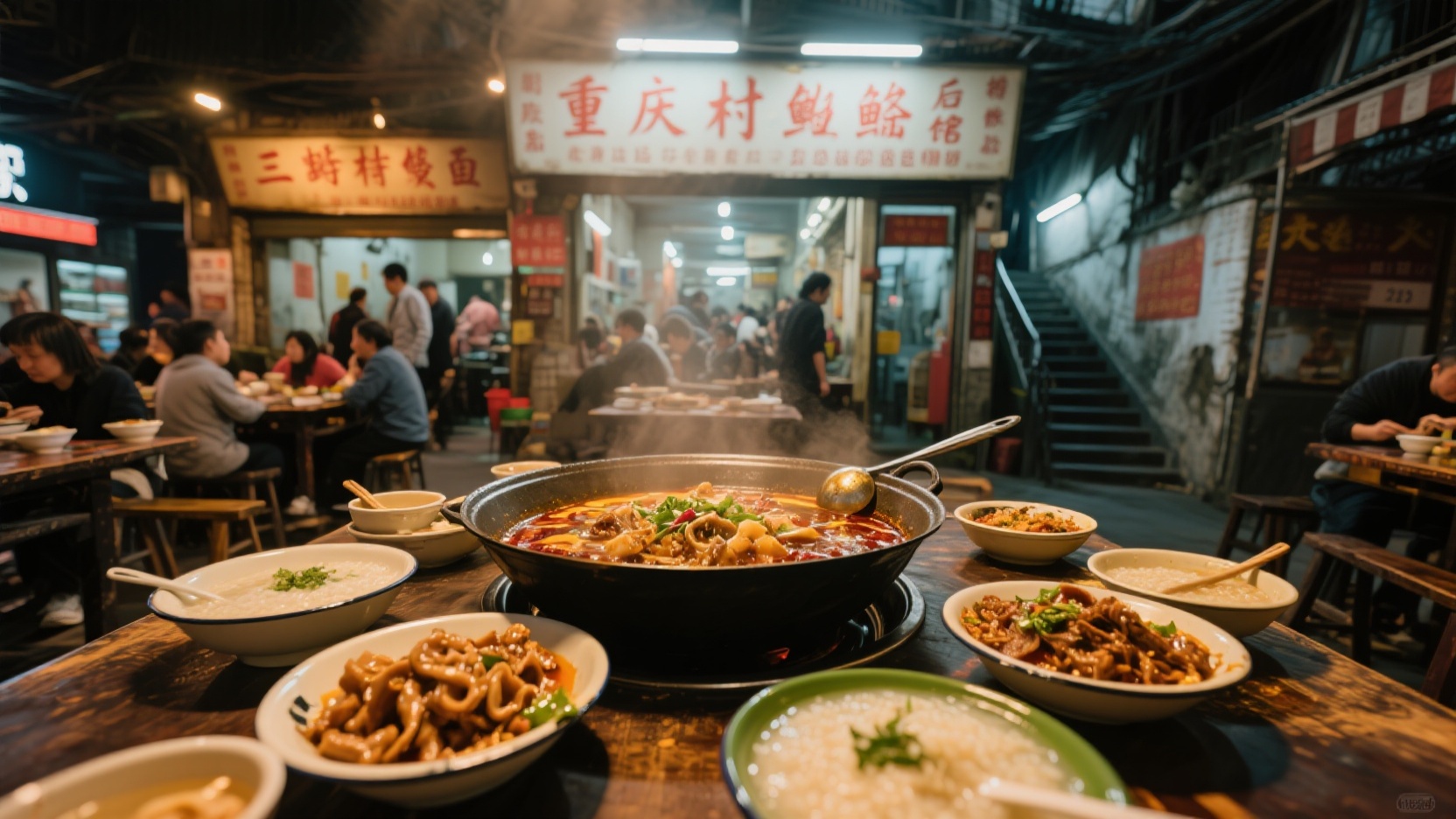
This was my third "purely food-focused" trip in Chongqing. The first two trips involved visiting many trendy restaurants, only to find either two-hour waits or drastically altered flavors by online trends. This time, I stayed in an old residential building in Daping, relying on local friends and taxi drivers for directions, and rediscovered the hidden gems tucked away under stairs, near air-raid shelters, and at the end of the market. The following seven restaurants are not on any must-eat lists, and don't even have a decent photo of their storefronts on Dianping (a Chinese review platform), but each one is the kind of place I personally witnessed locals bringing stainless steel basins to take away leftovers.
1. Daping Jiukengzi Terraced Crucian Carp: Only one fish dish is prepared, and pickled peppers are the soul of it.
The shop is tucked away at the bottom of a steep flight of steps in the old Jiukengzi neighborhood, with only two peeling tables at the entrance. The owner opens at noon and closes at 9 pm, selling crucian carp by the piece and no other hot dishes. Why is it worth a visit? There are many restaurants in Chongqing that serve fish, but this is one of the few that can so effectively mask the earthy taste of crucian carp while keeping the meat tender. The crucian carp is killed to order and served with a base of pickled peppers, pickled ginger, and a small spoonful of lard; the red oil is still bubbling when it's served.
How to order the signature dishes: Simply tell the owner "Fish per person," four fish for two people, six fish for three people. Order at least two flavors; pickled pepper flavor is the base, while fresh pepper flavor is spicier and goes better with rice. Be sure to add an order of "noodles," which you can add to the soup after eating half of the fish—it's more satisfying than adding rice separately. What to buy nearby: At the intersection after climbing the steps, there are aunties selling freshly baked triangular cakes and iron-shaped cakes in the afternoon; getting one of each is perfect for cooling down after the spiciness.
2. Braised Pork Intestines in Nan'an Houbao: Braised pork intestines served with steamed rice, and pickled vegetables for you to choose from.
Houbao is an old community with more locals than tourists. This pork intestine restaurant doesn't even have a sign; there's just a small blackboard with "pork intestine" written on it in chalk. They don't serve pork intestines in a large pot for hot pot; instead, they steam it in small bowls. The pork intestines are cleaned very thoroughly, without any excess fat. The braised flavor is home-style, with a touch of dried tangerine peel, making it not too heavy.
How to order: A bowl of braised pork intestines, a bowl of steamed pork ribs, and a bowl of steamed rice from a traditional steamer. Remember to get a dish of pickled radish and chili oil from the large bowl next to you. It only costs a few dozen yuan per person. After eating, you can walk to Houbao Park to digest your food. The river view there is quieter than many other viewing platforms. If you're passing by: There's a pushcart selling freshly made glutinous rice cakes (the kind coated in soybean flour) at the entrance of the community. They close up shop if you go too late.
3. Douhua Noodles in Yangjiaping Minzhu Village: A whole lump of tender douhua is hidden under the noodles.
Douhua noodles are a branch of Chongqing noodles. Many shops use soft tofu to make it quicker, but this shop makes sure you order the douhua yourself every morning. The noodle shop is located next to the Minzhu Village market and only serves breakfast and lunch. The owner, an older woman, isn't the most easygoing, but she remembers to order "two liang of broth, extra greens" for regular customers. The douhua is so tender that it breaks easily with a little pressure from chopsticks, and the noodles are specially made chive leaf noodles, which absorb the flavor better than regular thin noodles.
What to order: Be sure to order the "Dry-Mixed Tofu Noodles". Ask the auntie to spread the tofu at the bottom of the bowl, then cover it with noodles. Mix well, and every strand of noodle will be coated with tofu paste and chili oil. Don't rush to add vinegar; try three bites of the original flavor first. Nearby: At the end of the market, there are freshly made corn cakes, steamed in corn husks. They're sweet with slightly crispy edges, a perfect accompaniment to the tofu noodles.
IV. Pickled Cabbage and Broad Bean Clay Pot from Jiangbei Chang'an Factory: A Home-Style Taste from the Old Factory's Residential Compound
In the old residential area of Chang'an Factory, there are many small restaurants that seem to have been preserved by time, and this casserole shop is one of them. It doesn't do delivery through Meituan, and its narrow storefront is easy to miss. The signature dish is pickled cabbage and broad bean soup, made by stewing dried broad beans and homemade pickled cabbage until it becomes sandy, with a subtle smoky flavor in the broth. Many people think Chongqing is only about spicy food, but the tangy and fresh flavors of this kind of casserole from the old factory area are the everyday life of the locals.
What to order: A bowl of pickled cabbage and broad bean soup, a braised pork casserole, and a bowl of rice. The braised pork is on the salty and savory side, and the fat is so tender it breaks easily with chopsticks. If it's a rainy day, you can sit under the awning by the gate to eat, watching the old factory workers walk by with their enamel mugs—that atmosphere is even more precious than the taste. Something to buy along the way: There's a stall selling "rice candy" next to an old-fashioned barbershop near the entrance to the residential area. It's sold in bulk in plastic bags; it's fragrant, crispy, and doesn't stick to your teeth.
5. Late-night congee stalls in Jiaochangkou, Yuzhong District: They set up stalls in the early morning, with cold dish platters as the main attraction.
Jiaochangkou is a bustling hot pot scene during the day, but after 1 a.m., it transforms into a completely different food hub. This late-night congee stall doesn't have a fixed location; it's just under the arcade behind the bus stop, with two long tables and a few plastic stools. The owner sets up his stall around 11 p.m. The congee is made with white rice and mung beans—not fancy, but very fragrant. What's truly worth visiting is the row of cold dishes: cold tofu salad, houttuynia cordata, garlic-flavored pork belly, pickled pepper chicken giblets, about a dozen kinds in total, which you can help yourself to.
How to order: Congee is sold by the bowl, cold dishes by weight. Don't take too much at once, as the chili oil is very fragrant but has a strong aftereffect. We recommend focusing on the houttuynia cordata and dried tofu; their chili oil is freshly splattered with rapeseed oil, making it very fragrant and pungent. If you're still awake after eating, you can stop by the nearby 24-hour convenience store to buy a bottle of Eagle Tea flavored beverage, a Chongqing specialty, to cut through the richness.
6. The old-fashioned hot pot restaurant on Tushan Road in Nanshan District: It was converted from an air-raid shelter, and they don't sell the "Yuan Yang" (half spicy, half mild) broth.
I've written about Chongqing hot pot countless times, but this old hot pot restaurant on the hillside of Tushan Road is probably not even recommended by locals in Nanshan District, because it's so hidden. It's tucked away on the ground floor of a residential building converted from an air-raid shelter, with only five tables, and the owners, a family of three, are busy working there. They don't sell mild spicy broth, only "normal" and "extra spicy" options. The spice flavor isn't strong, but the beef tallow aroma is very pronounced.
How to order: First, add a serving of cold duck blood to the hot pot broth; this is one way to judge the quality of the broth. Then order tripe, sliced pork belly, bean sprouts, and a serving of lettuce tips. Don't order fancy shrimp balls or sliced beef; the simpler the dishes, the better you can test the restaurant's skill. Nearby shopping: The small shop on the slope sells bottled Tianfu Cola and flavorful broad beans; you can grab a pack after your hot pot meal.
Three pitfalls to avoid and a summary after three site visits
These seven restaurants have one thing in common: they don't really cater to "check-in" style dining. If you're planning to go, please remember three tips to avoid pitfalls. First, don't go during peak meal times. Especially at Houbao Fatty Intestine and Minzhu Village Tofu Noodles, there are queues as soon as it's past noon on weekdays, and the aunties won't give you extra portions just because you've been standing there a long time. It's best to arrive 20 minutes before opening, or simply go after 1:30 PM to snag a bite. Second, don't just order the signature dishes. The signature dishes are indeed reliable, but these small restaurants often have hidden menus in cold dishes, pickled vegetables, or soup bases. For example, the houttuynia cordata at a late-night congee restaurant, the pickled cabbage and broad bean soup at a casserole restaurant, and the cold pot duck blood at a hot pot restaurant are all things you'll regret not ordering. Third, remember to bring cash. Many old shops in Chongqing, especially roadside stalls, may have QR codes for payment posted on the wall but covered in grease, or older people may have difficulty reading phones. Cash and change will save you a lot of trouble.
My biggest takeaway from this trip is that Chongqing's true "specialty cuisine" isn't displayed on LED screens in shopping districts, but rather found in the panting sounds of climbing hills and the drafty air in air-raid shelters. If you're tired of chain hot pot restaurants and mass-produced crispy pork, consider following this list and visiting during off-peak hours. I can't guarantee the ambiance, but I guarantee the hands holding your bowl will be at the same temperature as the locals.