
These 8 Changsha Restaurants: A Local Hidden Gem List I Only Shared After Three Trips to Visit (Not Popular Brands)
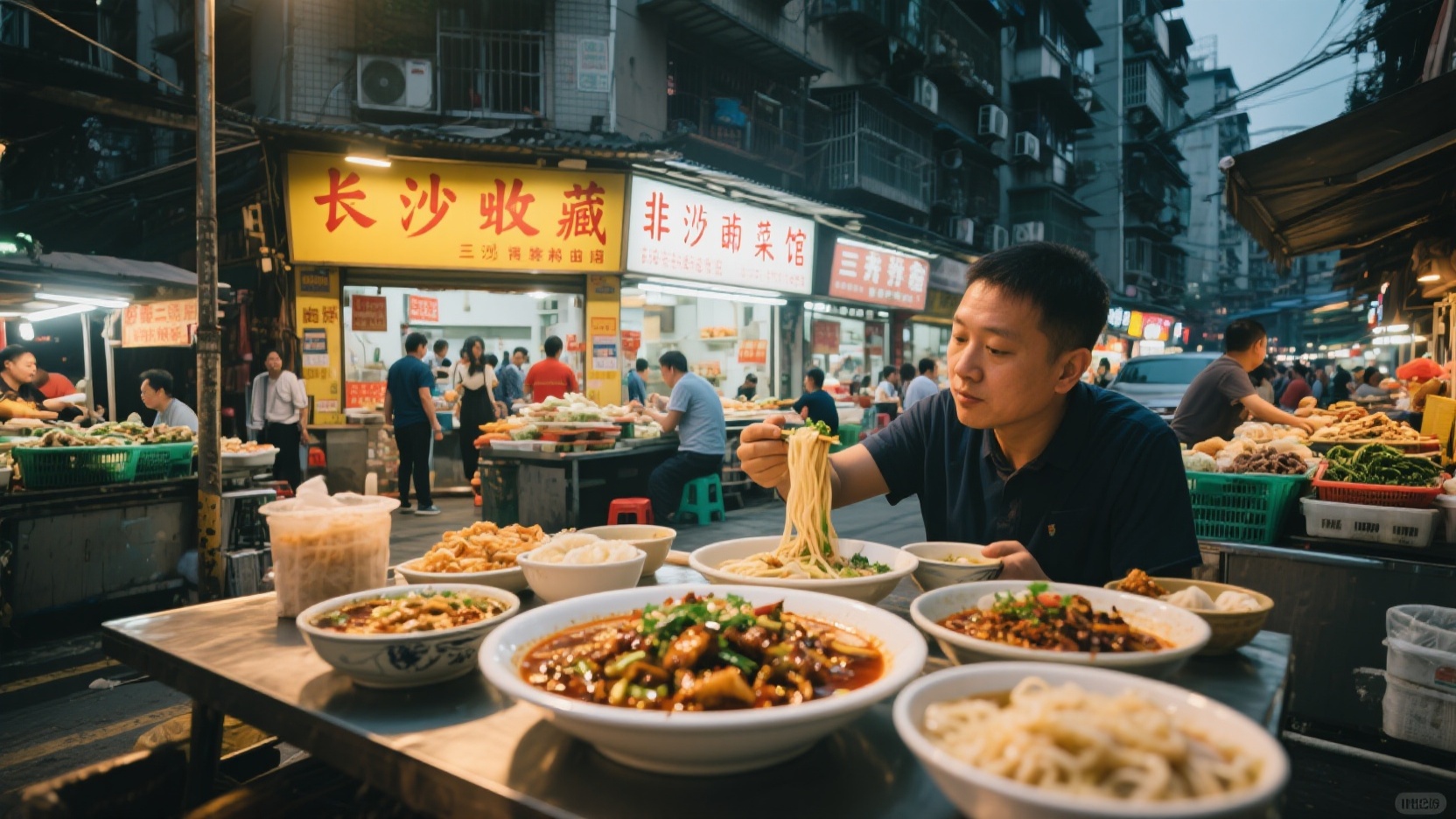
To avoid those trendy restaurants in Changsha that have two-hour queues but taste like they were all centrally sourced from a kitchen, I made three trips to Changsha this year, venturing into the old neighborhoods behind Shuling, Honghuapo, and Nanmenkou. I only looked for small restaurants that hadn't done any marketing, weren't on must-eat lists, and had menus written on whiteboards, as well as regular street stalls. I personally tested all eight of them; none of them had actively sought out bloggers for promotion, and some couldn't even be located on navigation apps.
1. Rice noodles from the wet market and steamed dishes from the community: a bowl of original broth limited to the morning market.
The first stall is located outside the vegetable market near the South Gate. It doesn't have a formal sign; locals call it "Grandma Chen's Rice Noodle Stall." Why it's worth going: The broth is made by simmering pork bones and chicken skeletons overnight until dawn, resulting in a whitish but not cloudy soup. They close when they sell out between 6:30 and 9:00 AM. What to order: Order a bowl of original broth shredded pork rice noodles and ask the owner to add an extra spoonful of pickled cowpeas. Choose handmade flat rice noodles. Nearby: Buy two freshly made sugar-coated glutinous rice cakes from the stall at the market entrance; they're great for cooling down the spiciness when eaten with the noodles.
If you can't get up early, you can go to a community steamed dish restaurant on the first floor of a residential building in Honghuapo. The steamers here start steaming at 7 am, and by noon there's practically nothing left to eat. Why it's worth going: Steamed dishes are the most common canteen food for Changsha locals, and this restaurant's steamed dishes are juicy, unlike the watery broth of chain restaurants. What to order: One serving each of steamed pork ribs with fermented black beans and chili, and steamed cured fish, plus a bowl of white rice is enough. Nearby: Freshly ground soy milk at the alley entrance, low in sweetness, which can balance the saltiness and spiciness of the steamed dishes.
II. Hunan Cuisine Restaurants in Older Communities: Blackboard Menus with No More Than Ten Dishes
The third restaurant is located in a dead-end alley in Zuojiatang. The owner is a one-man operation, preparing only the ingredients for that day's meal each day; if you go late, several lines will be crossed off the menu. Why it's worth going: They don't serve stir-fried beef with yellow peppers; they specialize in labor-intensive dishes with a unique, authentic flavor. What to order: Just ask the owner to prepare "stir-fried pork intestines with pickled radish" and "steamed pork belly with green peppers." The pork intestines are cleaned thoroughly, and the pickled radishes are homemade. Nearby: There's a stall selling braised chicken at the alley entrance; slice it thinly and mix it with minced garlic—perfect for a late-night snack back at the hotel.
The fourth restaurant is located in an old factory dormitory area by the Xiangjiang River. It has no storefront, and customers eat sitting on plastic stools. Why it's worth going: They only serve fish, with limited-edition "Steamed Fish Offal with Chopped Chili" and "Fish Head Stewed with Perilla." The fish offal is fresh and not fishy. How to order: For two people, one fish head and one serving of fish offal is enough. Remember to add a serving of plain noodles to mix into the broth. Nearby: The iced jelly near the dormitory entrance has a perfect brown sugar flavor and is excellent for cooling down after spicy food.
3. Late-night roadside stalls and fried foods: Only fixed stalls can produce the wok hei (wok aroma).
Changsha's late-night food scene isn't just about crayfish. Along Nanhu Road, there's a modified tricycle that sets up its stall after 10 PM every night, selling only fried wontons, fried tofu, and fried chives. Why it's worth a visit: the oil is changed daily, the wontons are crispy on the outside and tender on the inside, and the dipping sauce is made with Sichuan pepper oil—it has a really quirky flavor. What to order: order one of each of the three items and tell the vendor to fry them a little drier. A convenient alternative: the grilled beef tallow from the barbecue stall next door is sold in bulk, perfect for pairing with the fried snacks.
Another stall is located at the entrance of an old residential area on Shaoshan South Road. It has no name, but its glass display case is filled with braised duck heads, braised chicken feet, and braised lotus root. Why it's worth going: The spicy braised duck heads are first braised and then mixed, with three levels of spiciness, and most local gourmets choose the medium-spicy. How to order: Two duck heads or more, one serving of braised lotus root, and after choosing your spiciness level, ask the owner to mix it extra. Nearby amenities: The neighborhood supermarket sells chilled beer, or the now more popular mung bean soup.
IV. Sweet and savory combinations outside the farmers' market: cold dishes with sugar and oil and fried foods
The seventh shop is a sugar-coated glutinous rice ball stall outside the back gate of the South Gate vegetable market. It's not the same as the popular sugar-coated glutinous rice cakes. This stall uses glutinous rice flour to make small balls, frys them until the outer shell is crispy, and then coats them with sugar. Why it's worth going: The sugar shell is crispy but not hard, and when you bite into it, you can taste a faint aroma of fermented rice wine without being cloyingly sweet. How to order: Only buy a small portion and eat it while it's hot, as it will soften when it cools down. Nearby: The cold dish stall next door sells mixed water spinach stems and chopped chili mixed preserved eggs; the sweet and savory combination is just right to cut through the richness.
If you're looking for more local snacks, head to the north side of the Shuling Farmers Market. There's an auntie selling sweet potato chips and fried rice cakes from a metal cart. Why it's worth a visit: the sweet potato chips are sun-dried until semi-dry before frying, so they're not oily; the fried rice cakes are made with fermented rice, giving them a slightly sour taste—a rare practice these days. What to order: just half a jin (250g) of each is enough; don't overdo it. Also, buy some freshly chopped chili peppers from the market nearby—a jar of them is perfect for mixing with noodles at home.
V. Avoiding Pitfalls and Practical Tips: Don't go during peak meal times, don't just order the signature dishes, and bring cash.
These established neighborhood restaurants all share a common characteristic: limited seating, slow service, and flexible opening hours. First, avoid peak meal times, especially lunch and dinner, as waiting times will double, and some restaurants will simply tell you they're out of food. It's recommended to arrive 40 minutes earlier than usual, or try to find a table after 2 PM. Second, don't just order the signature dishes. Some signature dishes are just famous; the truly delicious ones are made with seasonal vegetables the owner buys that day—water spinach stems in late spring, perilla leaves in summer, and preserved meats in autumn and winter. Asking the owner "What's the best today?" is more helpful than looking at the menu. Third, remember to bring cash. At least four of these eight restaurants only accept cash or prioritize cash payments, and QR code payments have weak signals at some market stalls.
After three trips to Changsha, my deepest impression is that truly delicious little shops are often located in alleys that even navigation apps can't pinpoint. They don't do marketing or fake reviews; they only serve regular customers. If you're willing to get up half an hour earlier and stay out two hours later, Changsha will give you back these hidden flavors from the depths of the community, bite by bite.