
Tracing the Charm of Hunan: An In-Depth Cultural and Artistic Journey Through Changsha
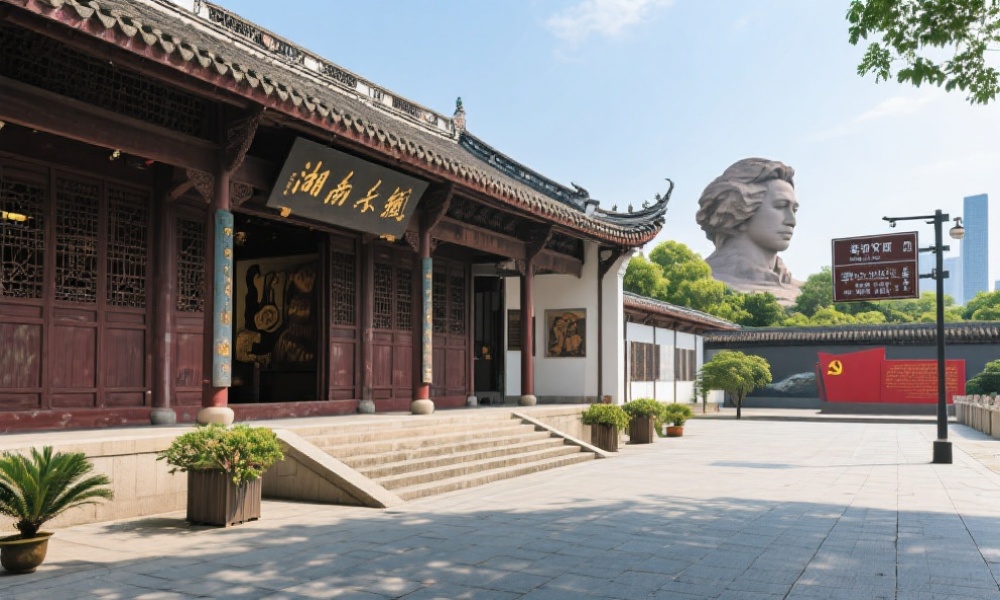
Changsha, an ancient city with a history of three thousand years, is not only a shining pearl on the banks of the Xiang River, but also a culmination of Hunan culture and artistic spirit. It combines profound historical heritage with vibrant modern vitality, offering a unique perspective for travelers seeking in-depth cultural experiences. This article will plan a slow-paced travel route centered on culture and art, guiding you through time to feel the pulse and soul of Changsha.
Day 1: A Thousand-Year Cultural Heritage, the Profound Cultural Heritage of Hunan
The first day's itinerary focused on Changsha's ancient cultural heritage and academic essence, exploring important landmarks that embody the spirit of Hunan.
Hunan Provincial Museum: A Window into Han Dynasty Civilization
As a national first-class museum, the Hunan Provincial Museum is an essential destination for understanding the history and culture of Hunan. Its crown jewel—the artifacts unearthed from the Mawangdui Han Tombs—with their astonishing state of preservation and rich archaeological value, reveals to us the life, technological level, and even cosmological concepts of the Western Han Dynasty aristocracy more than two thousand years ago. From the well-preserved remains of Lady Xin Zhui to the exquisite plain silk robe and the T-shaped silk painting depicting a mythological world, each exhibit tells the story of the splendor and mystery of the Changsha Kingdom during the Han Dynasty. It is recommended to allocate at least half a day to carefully appreciate these timeless artistic treasures and gain a deeper understanding of the etiquette, philosophy, and aesthetics behind them.
Yuelu Academy: A Millennium-Old Institution, a Source of Thought
Located at the foot of Yuelu Mountain, Yuelu Academy is one of the four great academies of ancient China. Founded in 976 AD during the Northern Song Dynasty, it has maintained its scholarly tradition for over a thousand years. It is not only an important center for the dissemination of Confucian culture but also the cradle of the Hunan School of thought. Strolling through its ancient courtyards, lecture halls, and libraries, one can feel the profound influence of the academy's motto, "Seeking Truth from Facts," and imagine the scenes of renowned scholars like Zhu Xi and Zhang Shi discussing and lecturing here. The academy's architectural style, inscriptions, and couplets all embody the rigor and elegance of traditional Chinese education. Here, you can not only appreciate the unique charm of ancient Chinese academies but also experience the core spirit of Hunan culture—practical application of knowledge and pioneering spirit.
Aiwan Pavilion: A poetic dwelling, a landscape painting
After visiting Yuelu Academy, you can take a detour to Aiwan Pavilion in Yuelu Mountain. This ancient pavilion, originally built during the Qianlong era of the Qing Dynasty, is named after Du Mu's poem, "Stopping my carriage to admire the maple forest at dusk, the frosted leaves are redder than February flowers." It is not only a landmark of Changsha but also a perfect blend of classical Chinese garden art and poetic imagery. Take a break in the pavilion, feel the mountain breeze on your face, and imagine Mao Zedong reading and contemplating here in his youth. This fusion of natural scenery and humanistic sentiment provides a poetic ending to your day's cultural journey.
Day Two: Red Imprints, Everyday Life
The itinerary for the following day will shift from the imprint of revolutionary history to the vibrant, down-to-earth culture of the city, incorporating elements of contemporary art.
Orange Isle: The Footprints of the Young Mao Zedong
Orange Isle, located in the middle of the Xiang River, is one of Changsha's iconic landmarks. Its most famous landmark is the sculpture of young Mao Zedong. Here, you can not only appreciate the magnificent scenery along the Xiang River but also trace an important chapter in modern Chinese history. During his youth, Mao Zedong swam and contemplated here many times, composing the magnificent poem "Qinyuanchun: Changsha." Strolling along the isle, you can feel the revolutionary spirit of the great man, "pointing out the landscape and stirring up emotions with words," and understand his profound reflections on the fate of the nation. Orange Isle is not only a natural landscape but also a cultural symbol carrying red memories and youthful dreams.
Jia Yi's Former Residence: The Last Rays of Han Dynasty Literature
Hidden amidst the bustling city, the former residence of Jia Yi, a renowned Western Han Dynasty writer and thinker, was where he lived while serving as an official in Changsha. Although Jia Yi died young, his enduring works, such as "On the Faults of Qin" and "Lament for Qu Yuan," showcased his remarkable political foresight and literary talent. The residence includes buildings like the Taifu Hall and the Xunqiu Caotang (Hall for Seeking Autumn Grass), offering a tranquil environment. Here, you can experience firsthand the tragic life and patriotic sentiments of this man of exceptional talent, appreciating the depth and charm of Han Dynasty literature and adding a touch of historical reflection to the hustle and bustle of city life.
Taiping Street and Pozi Street: Intangible Cultural Heritage Food and Historical District
A short walk from Jia Yi's former residence leads to Taiping Street and Pozi Street. These two historical and cultural blocks are a microcosm of Changsha's urban culture. Taiping Street retains the architectural style of the Ming and Qing dynasties, with its blue bricks, gray tiles, and cobblestone streets. Strolling along it feels like stepping back into old Changsha. It boasts numerous intangible cultural heritage experience points, showcasing and preserving traditional crafts such as Hunan embroidery and Hunan opera. While you may not be able to directly participate in in-depth experiences, the presentation of these cultural symbols is itself a form of learning. Pozi Street is renowned for its rich Hunan cuisine, with stinky tofu, sugar-coated fried dough sticks, and spicy crayfish offering a unique culinary experience. While savoring authentic local delicacies, you can also feel the everyday life and philosophy of old Changsha.
Li Zijian Art Museum: A Temple of Contemporary Art
As a non-profit art museum funded by the Chinese-American painter Li Zijian, the Li Zijian Art Museum is a significant landmark of contemporary art in Changsha. Its grand scale and rich collection make it one of the world's largest privately owned art museums. The museum permanently exhibits Li Zijian's oil paintings on the theme of "humanity and love," as well as special exhibitions of outstanding artists from home and abroad. It is not only a paradise for art lovers but also an excellent place for ordinary tourists to experience the power of art and receive aesthetic education. It injects modern vitality into Changsha's cultural and artistic landscape, showcasing the city's open attitude of embracing the future while preserving its history.
A cultural and artistic journey through Changsha is not a rushed check-in of tourist attractions, but a gradual and in-depth dialogue. From the mystery of the Han Dynasty's Mawangdui site to the elegance of its millennia-old academies, the passion of its revolutionary past, and the innovation of contemporary art, every step carries the unique memories and spirit of this city. Slow down, feel it with your heart, and the beauty of Changsha's culture and art will leave a deep impression on your journey with its unique charm.