
How should I plan my three-day trip to Changchun? I can give you a schedule by the hour.
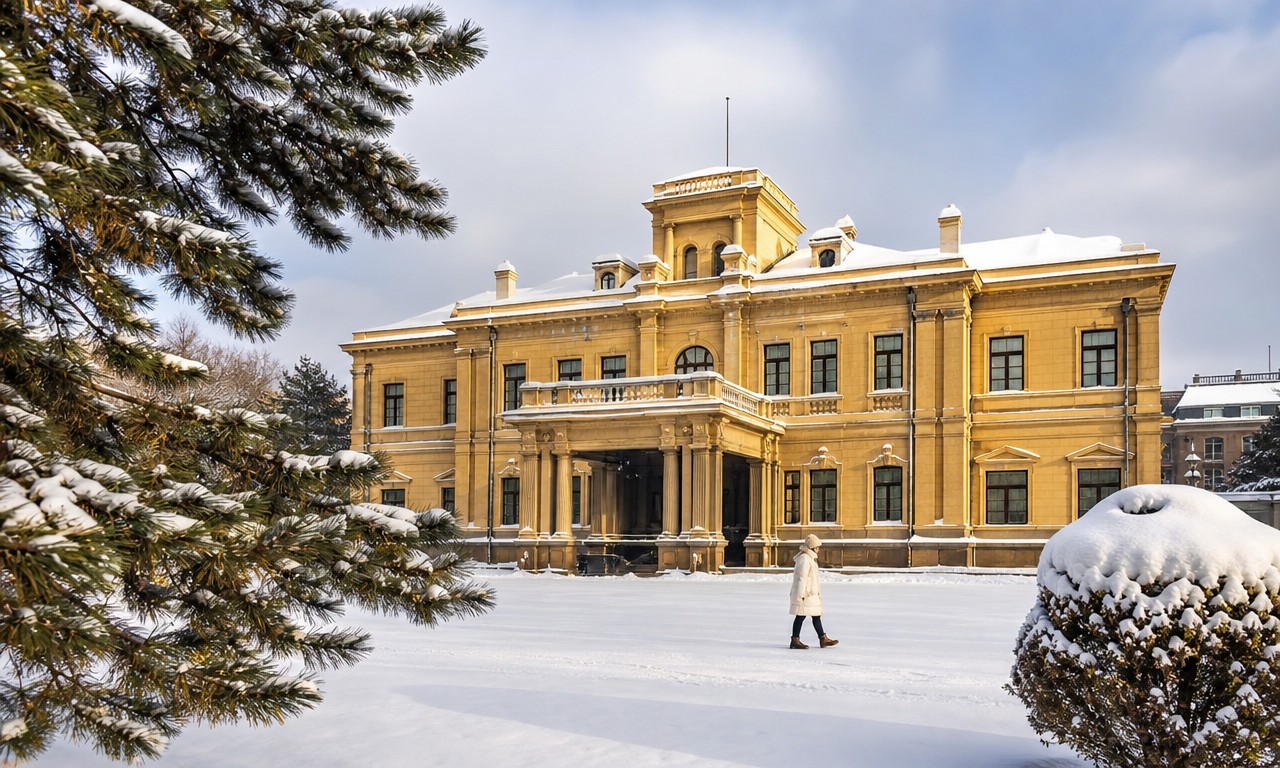
This question deserves a serious answer because Changchun's appeal lies not in one or two landmarks, but in its "sense of time": the old capital's historical character from the Manchukuo era, the order of an old industrial city, and the changing seasons at Jingyuetan in the suburbs—all these need to be explored chronologically to fully grasp the city's rhythm. Below is a three-day, two-night itinerary outlined hourly, with each section clearly stating "what to do at this point" and "why this point."
Arrive in Changchun at 12:00 on the first day. Check into the hotel first, then decide which restaurant to eat at.
No matter which direction you come from, try to arrive in Changchun around noon. Changchun West Station and Changchun Station have different routes from the city center. West Station is further west, making it suitable for heading directly towards the Automobile Factory or Jingyue area; Changchun Station is on the edge of Kuancheng Old Town, so staying nearby is the most convenient for evening shopping and dining. For accommodation, the area between People's Square and Chongqing Road is the safest bet, as it's in the heart of the old town and easily accessible by subway and bus.
Don't rush to find "famous Changchun dishes" for lunch; start with a hot meal. Established restaurants like Chunfahe and Laochang Chunbing have fast turnover, and one person can easily eat a complete meal by ordering just two dishes. If you arrive in winter, drink some hot soup as soon as you enter to warm yourself up before deciding where to go in the afternoon.
Day 1, 2:00 PM: Puppet Emperor's Palace in Manchukuo. The pace will slow down starting in the afternoon.
Most people schedule their visit to the Puppet Emperor's Palace in the morning, but there are too many day tour groups then, and the passageways and exhibition halls are packed with people, making it impossible to properly appreciate the details of Puyi's living quarters. Entering after 2 PM allows the flow of people to begin, and the lighting also gains a more somber quality befitting an old building.
It's recommended to visit in the following order: Tongde Hall – Qinmin Building – Palace Administration – Air Raid Shelter. Don't spend too much time in the main building. The decoration and partitions of Tongde Hall are best appreciated at a leisurely pace, while the solemnity of Qinmin Hall is more pronounced in the afternoon light. This isn't a tourist attraction; it's an entry point to understanding the character of Changchun—after seeing it, you'll understand why many streets in Changchun are so wide, so straight, and so "old capital."
Day 1, 5:30 PM: Chongqing Road - Cultural Street area; have the first proper dinner in the evening.
After leaving the Puppet Emperor's Palace, don't take a car directly to the shopping district. Instead, walk slowly west along Guangfu Road, passing the old Changchun Film Studio walls and several former South Manchuria Railway Company residences. You'll see the most authentic interlayer between "Old Changchun" and the "Big City." This section is perfect for walking; don't rush.
No need to go to chain restaurants in big shopping malls for dinner. Find a restaurant near Chongqing Road that serves "old-fashioned Jilin cuisine" and order three dishes: sweet and sour pork, braised pork slices, and snow-white red bean paste. You can tell the quality of a restaurant just by looking at the chef's skills. Changchun's sweet and sour pork is more sweet and sour, and the difference from Harbin's is very subtle, but locals recognize this difference.
Breakfast at the morning market at 8:00 AM on the second day; choose one that's close to your accommodation.
Changchun's morning markets are worth getting up for. The Yongchang Morning Market and the breakfast stalls near Guilin Road each have their own focus: the former is more local, where grocery shopping and breakfast are combined; the latter is younger and more suitable for those living around Guilin Road. Don't worry about which is "most famous," just choose the one closest to your accommodation and within walking distance.
For breakfast, people eat tofu pudding with sugar pancakes or fried cakes, and a bowl of soy milk. The winter fog outside and the steam from the bowl mix together, creating the most authentic scene of a Changchun morning. Before eight o'clock, not many people have arrived yet, and the vendors have time to chat with you for a bit. After eight-thirty, it becomes a completely different kind of crowded scene.
Day 2, 9:30 AM: Jingyuetan (Jingyuetan Lake). Enter the lake in the morning; don't linger in the city.
Many people leave Jingyuetan for the afternoon, but the lake area is large, and if you go in the afternoon, it's easy to get halfway there only to get dark and have to turn back. If you leave the city at 9:30 am and enter the lake around 10 am, you can complete the entire loop of "Goddess Square - Beiputuo Temple - Lakeside Boardwalk".
Jingyuetan is not a park, but a suburban reservoir with a forest-like atmosphere. When walking on the boardwalk, don't rush ahead with your head down; the water level and light levels differ between the snow and rainy seasons. In winter, the lake freezes over, making the edges of the boardwalk especially slippery, so wearing non-slip shoes is more important than bringing a camera. There's another reason for choosing this spot in the morning: the wind is strong in the lake area in the afternoon, and the perceived temperature is much lower.
On the second day at 2:00 PM, choose either Changchun Film Studio Century City or the Old Changchun Film Studio Museum; don't try to visit both.
After leaving Jingyuetan, grab a quick lunch and head to the Changchun Film Studio area before 2 PM. Those with children can head straight to Changchun Film Century City, a large cinema that can easily fill half a day. Those without children are advised to visit the Old Changchun Film Studio Museum, a two-story building where you can see hand-painted posters and filming materials for movies like "Five Golden Flowers" and "Shangganling." It's not crowded, so you can take your time.
Why must we choose one? Because going to both means arriving after 5:30 PM, which would squeeze in dinner and visits to Nanhu Park, making it counterproductive. Changchun's evenings deserve a more relaxed schedule, rather than rushing from one attraction to the next.
The next day at 6:30 PM, we took a walk in Nanhu Park and had dinner near the park.
Leaving the Changying area, it was just getting dark, and a ten-minute walk would take you to the east gate of Nanhu Park. Entering the park at this time, you could see locals exercising in the evening, elderly people playing the accordion, and fathers and sons flying kites—it felt more like "Changchun for the people of Changchun" than during the day. Walk halfway around the lake; don't try to walk the whole way. There are many sights to see by the lake at night, but the paths are slippery in winter, and walking too far can be tiring.
Dinner will be eaten near Nanhu Lake. Locals will opt for a local stew, buy some red sausage from a deli with hot tea, or find a halal restaurant for braised pork strips and shumai – these are typical local meals. After dinner, we'll head straight back to our accommodation. We won't arrange any late-night activities; Changchun's nightlife is already rather subdued, and forcing it will only lead to disappointment.
Day 3, 9:00 AM: Finish the half-day by buying some things you can take with you.
On the last day, you don't need to get up too early. Leave at 9:00 AM and first go to the area around Changchun Railway Station or Chongqing Road to buy things you can take away, such as red sausage, large loaf of bread, and hazel mushrooms. When buying red sausage from a deli, choose a well-established brand. There is a difference in taste between loose and vacuum-sealed red sausage. It's best to buy loose red sausage and have the clerk vacuum-seal it for freshness, so you can eat it on the same day you leave.
If you live near Changchun West Railway Station, you can visit the outer perimeter of the old FAW (First Automobile Works) factory area on the last half of the day. The red brick walls and yellow tiled eaves of the old Soviet-style factory buildings are the industrial imprint of old Changchun. You don't need to go into the factory; just stand on the street for ten minutes or so and take a couple of photos. Leave for the station before 11:30 am, allowing plenty of time, as Changchun's stations are large and walking around takes longer than you might expect.
To be honest, the reason for this arrangement is...
Changchun isn't the kind of city that thrives on a high density of tourist attractions. Its charm lies in its wide streets, old buildings, ancient trees, bustling morning markets, and the vibrant atmosphere even in the cold air—all of which require you to allow time for leisurely exploration. Break down the traditionally packed itinerary into a more relaxed approach: "Arrive at noon—Learn history in the afternoon—Enjoy traditional local cuisine in the evening—Explore the city streets the next morning—Visit the countryside in the morning—Explore film history in the afternoon—Take a walk at dusk—Conclude on the last morning of the day." This allows for a balanced day without leaving you feeling exhausted and wanting nothing more than to collapse back at your hotel.
This timeline isn't the only answer, but it's the least likely to go wrong and most realistic way to "live life in Changchun" after being asked many times. You can make minor adjustments according to the season, such as placing Jingyuetan in the afternoon in winter, and moving the morning market and breakfast half an hour earlier. But the core remains the same: in Changchun, you have to use time to build your life.