
How do I choose accommodation in Changchun? I asked all the locals.
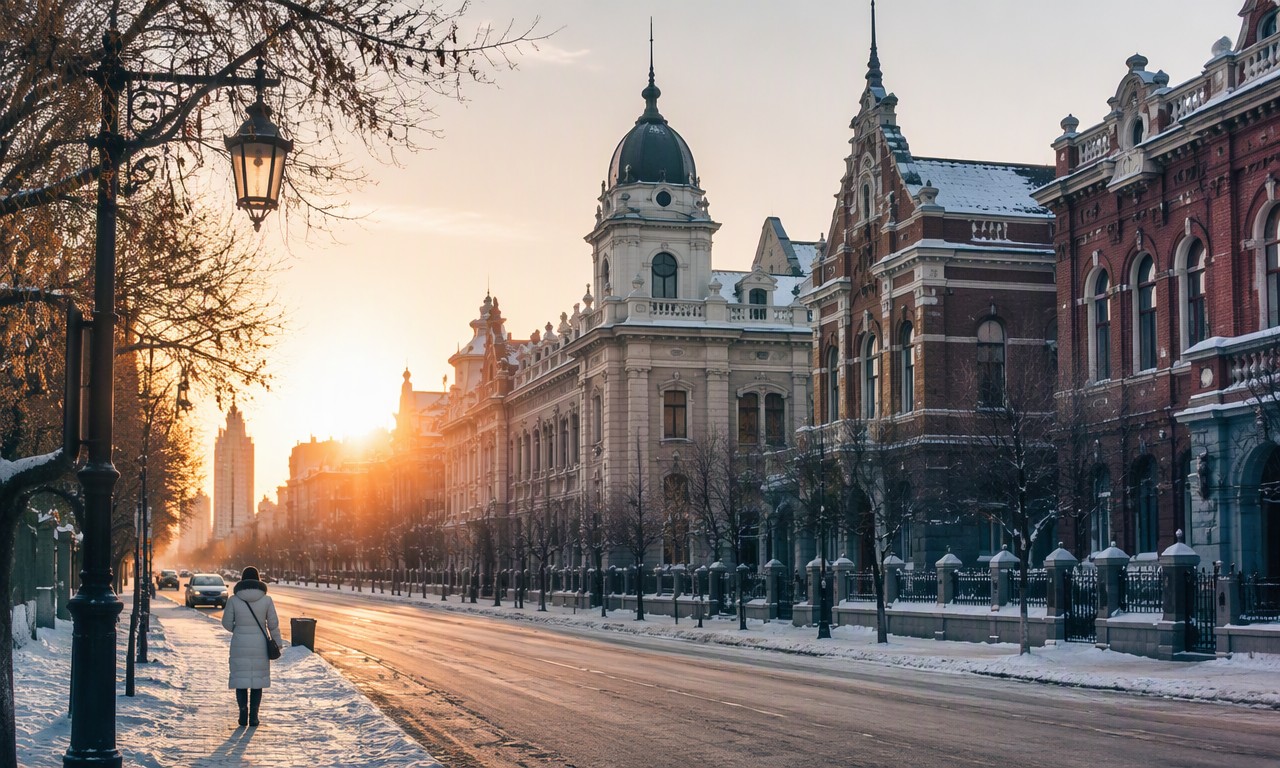
The question "Where to stay in Changchun?" seems like choosing a location, but it's actually about choosing how you plan to spend your days. Most travel guides will simply give you a few hotel names, but few will explain clearly that staying in a hotel versus a guesthouse in the same area leads to two completely different itineraries; and with the same budget, choosing the old city versus the new city will result in vastly different experiences. Having done fieldwork in this city for several years, the most frequent question I'm asked isn't "Which is the cheapest?" but rather, "So how should I choose?" The following six comparisons are the crossroads that I've compiled from hundreds of questions, highlighting the ones that truly impact the experience.
Business district core vs. scenic area perimeter
Most travel guides will tell you that "staying near the attractions is the most convenient, so you can go anywhere right away." However, in Changchun, this statement is only half true. Changchun's attractions aren't clustered together; Jingyuetan, the Puppet Emperor's Palace, and Changying Century City are scattered in different parts of the city. Being "near the attractions" often means the surrounding area becomes quiet at night, and there aren't many options for dining or shopping. If you only have two days and your goal is to visit one or two major attractions, then staying near the attractions does save commuting time. But if you also want to explore the city and have a few decent dinners, staying in the core commercial areas around Guilin Road or Hongqi Street is more cost-effective—during the day, you can easily take the light rail to anywhere, and in the evening, you can find decent restaurants and convenience stores right downstairs without having to make a special trip just to eat.
Hotels vs. B&Bs
Most travel guides will tell you that "guesthouses are more unique and closer to local life." However, in Changchun's old city, many so-called guesthouses are actually single rooms converted from old residential buildings. Soundproofing, lighting, and hot water stability vary greatly, and some even have inadequate heating in winter compared to other rooms in the building. If you have two or more people, plan to stay for more than three days, want to cook for yourself, or need a living room, then choosing a well-managed high-rise apartment-style guesthouse is reasonable. But if you're only staying one or two nights, will be out during the day, and have high requirements for quiet and hot water, then a mid-range chain hotel is almost a safer choice. Hotel prices in Changchun are not high compared to other parts of the country. With the same budget, you can get a more stable lower limit at a hotel and a more spacious upper limit at a guesthouse; it depends on which you value more.
Old Town Center vs Jingyue New Town
Most travel guides will tell you that "the old city is dilapidated, while the new city has a better environment." However, this statement overlooks the unique value of Changchun's old city. In the old city areas of Chaoyang and Nanguan districts, many blocks still retain their original street scale and numerous architectural details from different periods of the last century. Walking along some old streets, you can clearly feel the urban fabric that isn't deliberately aged, but rather naturally deposited. If you're interested in historical buildings, strolling through alleyways, and non-touristy everyday spaces, staying in the old city and relying on walking and public transportation will allow you to see a much richer experience. Conversely, the streets in Jingyuetan and High-tech Zone are wider, the buildings are newer, and parking is more convenient, making them suitable for those driving, families with children, those needing a quiet environment, or those who mainly spend their days in Jingyuetan and Changying Century City. The old city is suitable for "seeing," while the new city is suitable for "living"—this judgment is almost without exception.
Near light rail station vs. near bus station
Most travel guides will tell you, "The subway and light rail lines are all pretty much the same; as long as there's a station, it's fine." However, the actual coverage efficiency of Changchun's light rail and subway varies greatly depending on the area. Stations along Light Rail Lines 3 and 4, such as those around Satellite Square and Linhe Street, offer convenient transfers and quick access to major shopping areas and stations, saving you a lot of hassle if you stay nearby. While bus routes are dense in some of the old city's core areas, traffic congestion is severe during peak hours, and waiting times are longer in winter. If you're visiting in winter with luggage, then "within a five-minute walk of a light rail station" is a more important factor than "close to attractions." Conversely, if you mainly stay within walking distance of the old city, public transportation and taxis are more flexible, so there's no need to stay in a location far from the city center just to get to a light rail station.
Street-facing houses vs. back-street houses
Most travel guides will tell you that "higher floors and rooms facing the street offer better views." However, in Changchun's old city, high-rise rooms facing the main street often mean that even double-glazed windows can't block out traffic noise, especially the continuous noise from snowplows in winter and during rush hour. If you're sensitive to your sleeping environment, choosing a room that "doesn't face the main street and faces the interior of the building" is far more important than prioritizing views. In many mid-range hotels in Changchun, the price difference between the same room type facing the street and those facing away from the street is minimal, but the difference in the stay experience is significant. Unless you're used to white noise or are almost never in your room during the day, a room facing away from the street is a more practical choice. This difference is more pronounced in winter than in summer because ventilation is less frequent in winter, amplifying the noise level in the room.
Last-minute booking for the winter season vs. advance booking for other seasons
Most travel guides will tell you that "booking in advance is always cheaper." However, in Changchun, apart from the peak weeks for ice and snow tourism, hotel and guesthouse prices fluctuate considerably at other times. Locking in prices in advance might mean missing out on last-minute price drops. If you're coming in winter to ski or see ice sculptures, especially around New Year's Day and the Spring Festival holiday, then early booking is indeed necessary, otherwise good locations will quickly become scarce. But if you're coming between May and October, you can book one night in advance and decide whether to extend your stay or change locations based on availability. Many long-term locals know that checking prices directly at the hotel or online a day in advance during the off-season is often more flexible than booking two weeks in advance. The bottom line is: prioritize certainty during the winter peak season, and flexibility during other seasons.
Traveling with elders vs. traveling alone or as a couple
Most travel guides will tell you, "For accommodation, cleanliness and comfort are all that matter; it doesn't matter who you're with." However, the logic for choosing accommodation when traveling to Changchun with elders is completely different from that of traveling alone or as a couple. When traveling with elders, priorities include elevators, catering services, proximity to hospitals and pharmacies, short distances between rooms, and sufficient indoor temperature in winter. In this case, established star-rated hotels or well-equipped high-rise serviced apartments are much more reliable than single guesthouses scattered in old residential buildings. On the other hand, if you're traveling alone or as a couple, with freedom of movement, not afraid of climbing stairs, and willing to explore the surroundings on your own, then well-located, stylish small guesthouses or boutique hotels in the old town will offer more surprises. The former prioritizes stability, the latter seeks uniqueness; there's no absolutely better option, it simply depends on whether you're prioritizing others or your own curiosity on this trip.
Short stay overnight vs. longer stay of three to five days
Most travel guides will tell you to "stay at the same place for several days to avoid moving around." However, in Changchun, your activities will naturally shift between different number of days. The first nights might be spent in the old city, Guilin Road, or Hongqi Street area, while the next nights, if you're going to Jingyuetan or traveling to/from the train station or airport, staying in the south of the city or along the light rail line is more convenient. For a three- to five-day trip, it's not necessary to stay in the same place for the entire trip; splitting it into two segments is more suitable for your itinerary. For short overnight stays, budget hotels near transportation hubs are sufficient; for longer stays of three to five days, the centrality of the location, the convenience of surrounding amenities, and the comfort of the room will become more important. For stays of five days or more, I recommend apartment-style guesthouses—not because they're cheaper, but because you'll start needing space for daily life activities like laundry, drying clothes, and boiling water, which are precisely the weakest points of traditional hotel rooms.