
Avoid Dongmen and Yantian Seafood Street | Shenzhen Food Avoidance List: These 8 Restaurants Are the Best Recommendations from Locals
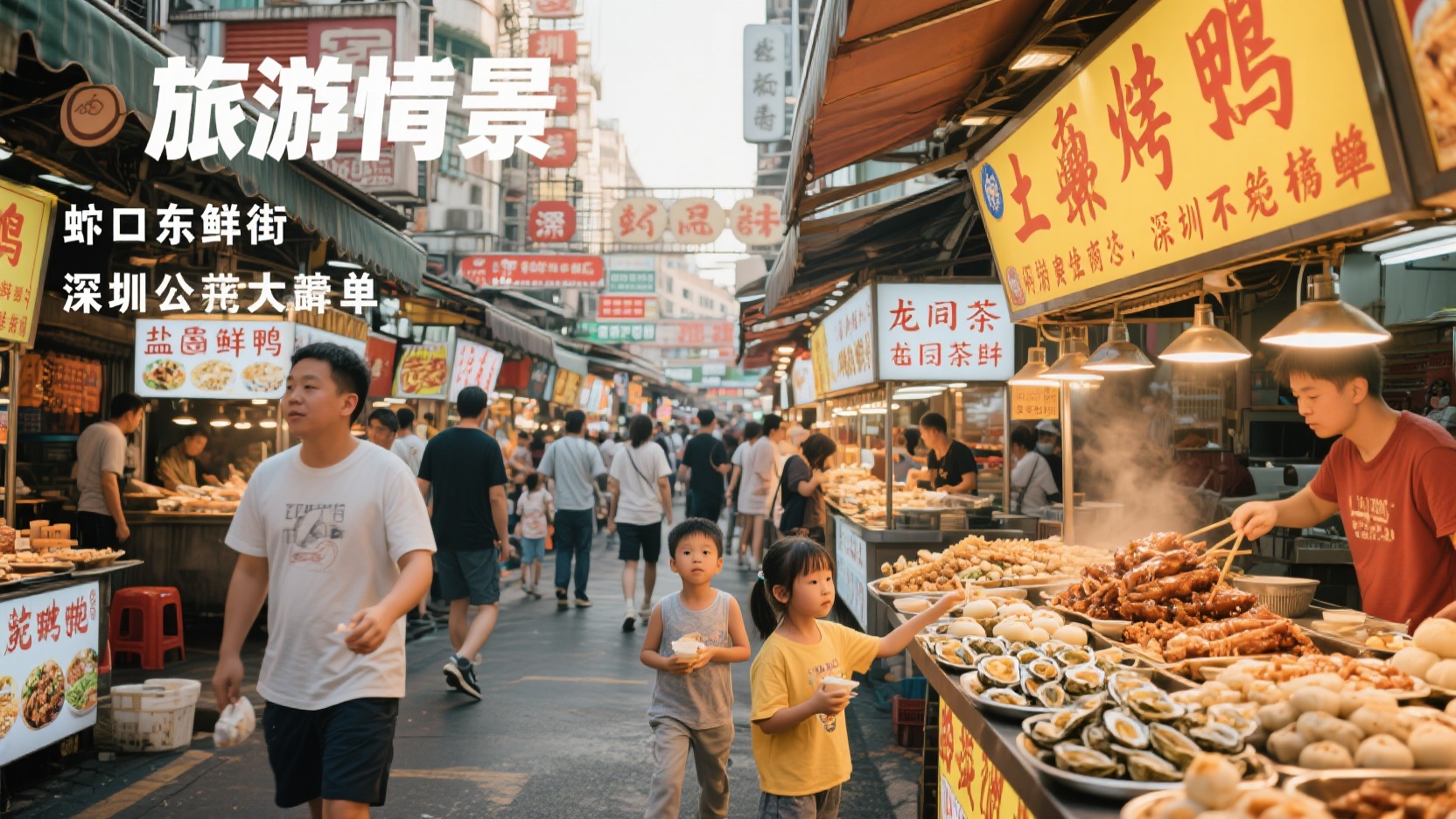
Last year, I accompanied a friend from out of town to Dongmending and waited in line for forty minutes to buy a "bursting cheese grilled cold noodle". After we finished eating, he asked, "Is this all there is to Shenzhen?" I couldn't say a word - because locals would never go there to find food.
Shenzhen isn't a food wasteland, but if you follow certain online celebrity food lists from Dongmen to Yantian Seafood Street, you'll likely come to this conclusion. I've lived in Shenzhen for over five years and traveled between the districts no less than twenty times. Today, I won't list a top 10, but rather discuss which places you can skip and which are worth a visit.
First, a dose of reality: These 4 "must-eat" spots are places locals really don't want to go.
The first problem is Dongmen Food Street. The issue isn't that the food is bad, but rather that it has little to do with Shenzhen. Grilled cold noodles, tornado potatoes, and giant fried squid—you can find these on any pedestrian street in China, and they're often more expensive than in the surrounding area. Locals go to Dongmen mainly for shopping; they rarely leave their stomachs there.
The second pitfall is the seafood stalls in Yantian Seafood Street that cater to tourists. The sea breeze is real, and the signs are big, but the freshness of the seafood and the quality of the cooking are highly dependent on luck. When it's crowded with tourists, the service is slow, the food is salty, and the bill isn't cheap. Locals who want to eat Yantian seafood will go to the market to buy it first and then find a familiar stall to cook it for them.
The third pitfall is the "Shenzhen specialty" souvenir shops in shopping malls. The packaging is indeed exquisite, but many of these supposedly local souvenirs are actually made in other places and taste mediocre. If you really want something with a taste of Shenzhen, you're better off buying a jar of Shajing oyster sauce or Gongming sausage; at least you won't leave people only with the packaging after eating it.
The fourth pitfall is chain coconut chicken restaurants located in popular commercial areas. It's not that coconut chicken is bad, but these restaurants are increasingly resembling assembly-line hot pot restaurants, with bland chicken flavor and cloyingly sweet broth. Locals prefer to go to one of the oldest coconut chicken restaurants in Shenzhen or simply cook it at home.
Shekou Market's cooked food stalls and Futian Village's cold rice porridge: the everyday life is the true essence of Shenzhen.
Shekou Market is one of the few places in Shenzhen that still retains the authentic smell of the sea. Locals don't eat there in trendy seafood restaurants; instead, they go to the first floor in the morning or evening to choose their shrimp, crab, and shellfish, then go up to the market's cooked food section to have them prepared. A typical order might include: boiled prawns, steamed abalone with garlic, a side of greens, and a bowl of white rice – enough to fully savor the natural flavor of the seafood.
The Chaoshan-style white congee and cold noodles in Futian Village are the first place that comes to mind when I wake up hungry in the middle of the night. The stall is filled with fish rice, braised dishes, pickled crab, and jute leaves. There's no fancy plating, but every dish is incredibly flavorful. How to order: Start with a bowl of white congee, add half a threadfin bream rice, a serving of braised tofu, and a spoonful of jute leaves. Don't order too much; leave some room for the congee.
Xiangxi Village Chicken Stew and Hubei New Village Rice Noodle Rolls: Two Flavors Hidden in Urban Villages, One for Day and One for Night
The charcoal-fired chicken hot pot in Xiangxi Village is a tacit understanding among Luohu night owls. The moment the smoke rises from the alley, you know someone's going to eat until the early hours. The sauce is rich, the chicken is firm, and it gets more flavorful the longer it cooks. How to order: Start with a whole chicken, always add fried bamboo shoots and instant noodles. Wait until the chicken is about 70% cooked before adding the noodles, allowing them to soak up the sauce and become the essence of the dish.
The rice noodle roll stall in Hubei New Village only operates in the morning, and many people come wearing flip-flops. The rice noodle roll skin is thin but doesn't fall apart, and the sauce is slightly sweet, not the kind of trendy dish that relies on soy sauce to steal the show. How to order: egg and meat rice noodle roll with a side of pork liver, and a cup of hot soy milk. Sit on a plastic stool and eat it while it's hot. Don't take it to go; doing so would be a waste.
Xixiang roast meat stalls and Gongming roast goose: local delicacies served as a side dish and a must-try when leaving the region.
The roast meat stall next to Xixiang Market has a queue every afternoon around 4 PM. The char siu is perfectly marbled with fat and lean meat, and the honey sauce isn't too sweet. The sound of it being chopped fresh is more effective than any advertisement. How to order: half a pound of char siu and half a pound of roast goose, and ask for the sauce to be prepared separately. Take it home and serve it with hot rice and stir-fried bok choy for a standard Shenzhen-style dinner.
The true essence of Gongming roast goose is something you only understand after leaving the border. The old shops in Guangming District use lychee wood to roast it, resulting in skin as crisp as paper and meat with a fruity aroma. Many people only order the roast goose leg, but the back meat is actually more tender. How to order: Roast goose leg rice with plum sauce, plus a bowl of rice noodles. Enjoy the original flavor first, then dip it in the sauce.
Shajing oyster stir-fry and Longgang Hakka tea and fruit stalls: Oyster season and glutinous rice balls at the end of the market
Shajing oysters aren't something you can eat all year round, but from late autumn to early spring, locals flock to Shajing. Street-side stalls serving ginger and scallion oysters, oyster omelets, and oyster porridge offer a more straightforward experience than upscale restaurants. How to order: ginger and scallion oysters, oyster omelets, and a pot of oyster porridge—just enough for three people to share. Don't order too much and turn it into a seafood feast.
Longgang Hakka tea and fruit stalls are usually hidden in the most inconspicuous corners of the market. Mugwort cakes, radish cakes, and glutinous rice cakes may not be brightly colored, but they have a comforting aroma of glutinous rice. How to order: Buy one of each to try first. Choose mugwort cakes with thick skin and little filling. Radish cakes should be eaten while hot, as they will harden when cold. Don't buy too many at once.
In conclusion: 5 things you shouldn't ask locals about that I didn't tell you.
1. Don't ask if it's spicy. Many local Shenzhen dishes and Chaoshan cuisines have their own seasoning logic. If you ask too many times, the owner will only tell you, "It's not spicy, it's just the original flavor." 2. Don't go during peak hours, especially to older restaurants in urban villages. The queues during peak hours can be unbelievable. Going off-peak will allow you to get food freshly cooked. 3. Don't wear white clothes. Roast meat stalls, chicken hot pot shops, and rice noodle roll stalls are prone to sauce splattering. You'll go in white and come out covered in stains. 4. Don't use reviews to find restaurants. Many hidden gems aren't even on the lists. Follow the aunties buying vegetables in the market; it's more reliable. 5. Don't order large portions. Shenzhen dishes tend to be generous in portion size. Large portions can easily make you feel stuffed and wasteful. Start with small portions and add more later.
If you follow these five steps, you might be able to bypass the tourist filter and enjoy the food that Shenzhen locals actually eat.