
Don't go to the crowds in spring! | A Shaoxing native's firsthand experience: These 7 musty delicacies are truly seasonal must-try dishes during the plum rain season.
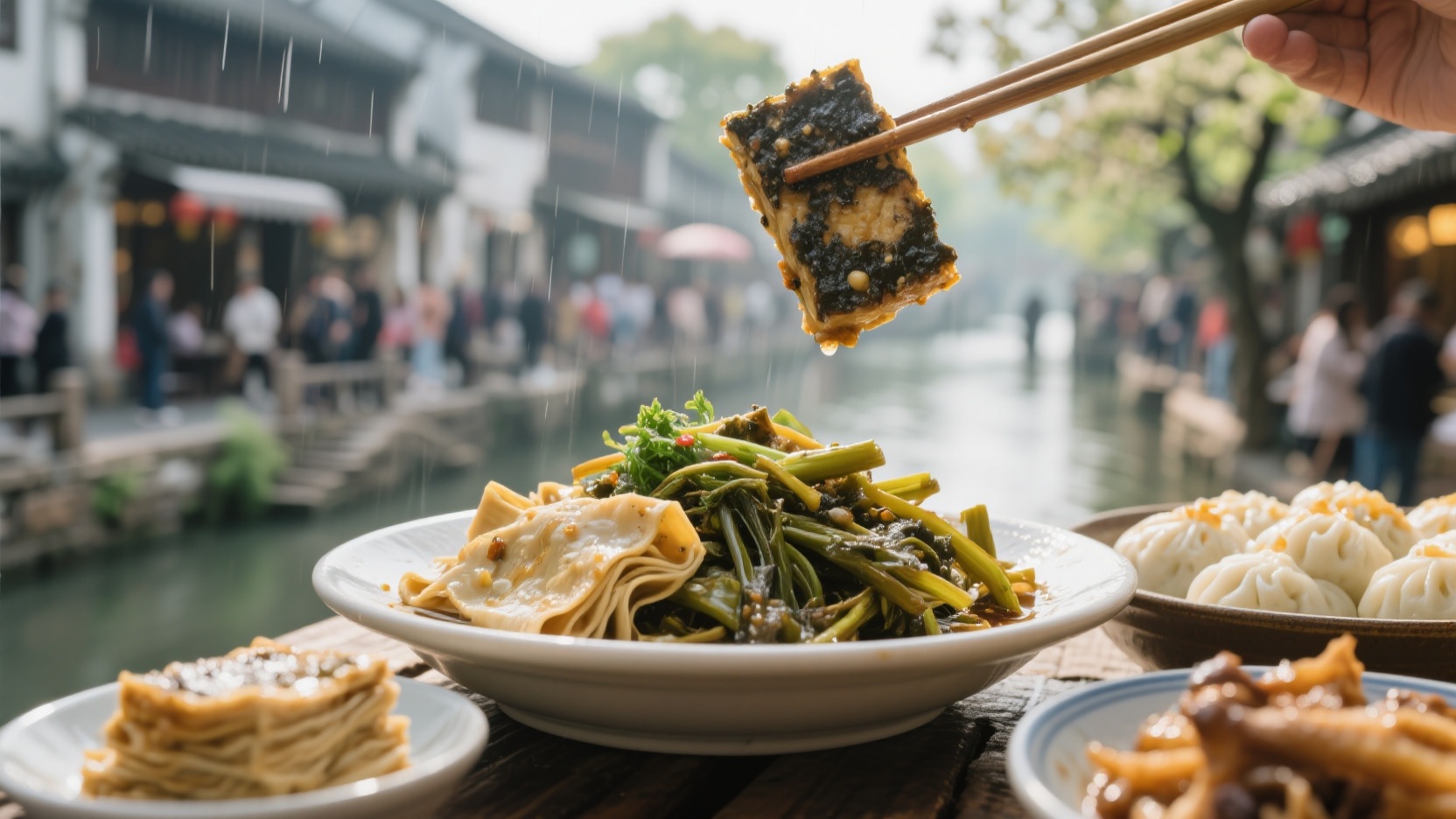
I've seen too many travel guides that lavish praise on Shaoxing's "fireworks in March," but locals know that the sweltering heat and humidity of the plum rain season is the only window for the true fermentation of local delicacies. While you're still crammed into Cangqiao Street in April, eating touristy stinky tofu, savvy Shaoxing locals are already steaming a plate of fermented bean curd sheets deep in the alleys.
Springtime in Shaoxing is perfect for taking photos, but not for truly tantalizing the local palate. During the plum rain season, the humidity and temperature are just right for the microbial community, transforming the often-disliked "dark flavors" of fermented tofu skin, fermented amaranth stems, and pickled vegetables into a rich, savory, and slightly sweet taste. Therefore, this article won't focus on trendy restaurants, but rather on seven dishes that truly shine during the plum rain season, arranged according to four meals a day.
1. The "mold" during the plum rain season is not bad; it's just that the bacteria are awakening.
The "mold" that people in Shaoxing talk about is never food spoilage, but rather the fermented aroma cultivated by humidity, temperature, and time. The plum rain season is precisely the critical point where mold is most active but not yet rotten. Only at this time can moldy tofu sheets and moldy amaranth stems be stretched into fine threads, with a rich but not bitter taste.
After the plum rain season, when temperatures rise, fermentation can easily go overboard, and the bitterness will overpower the umami flavor. After autumn arrives, the microbial community becomes less active, the fermented aroma weakens, and all that's left is saltiness. Therefore, locals consider these dishes seasonal and don't serve them all year round.
This is why many people find fermented bean curd "unpalatable" the first time they eat it: it's the wrong season. What you eat in autumn or winter is basically under-fermented and overly salty; only the taste during the plum rain season is truly fresh and delicious.
2. Breakfast: Steamed meatloaf with fermented bean curd sheets, served with rice porridge to make the most of it.
During the plum rain season, Shaoxing people upgrade their breakfast from simple porridge and side dishes to "steamed pork patties with fermented bean curd sheets". The fermented bean curd sheets are fermented until they are slightly stringy, and then steamed with pork patties with alternating layers of fat and lean meat. The lard will suppress the pungent smell of the fermented bean curd, leaving only a salty and savory flavor and a layer of fermented aroma that is similar to cream.
How locals pair it: A bowl of cold rice porridge, a few drops of sesame oil drizzled on fermented bean curd sheets, a small piece of meat patty mixed into the rice, and then slurped it down. The fermented aroma will slowly rise from the back of your tongue. Don't eat it plain; it's too salty and might even send your out-of-town friends packing.
If you have the ingredients, serve it with a small dish of pickled cucumbers or pickled radishes; their crunchiness will cut through the mushy texture of the fermentation. This is the most authentic way to start a morning during the plum rain season, more genuine than any trendy pan-fried bun.
3. Lunch: Steamed tofu with fermented amaranth stems, paired with seasonal river shrimp for the perfect flavor.
If you only order a bowl of fermented amaranth stems for lunch, that's how tourists eat. During the plum rain season, Shaoxing families often make steamed tofu with fermented amaranth stems: the amaranth stems become soft like paste after fermentation, and when steamed with tender tofu, the saltiness seeps into the tofu, making it sweet and savory.
At this time of year, river shrimp are just carrying their roe, and locals will blanch a small handful of them and place them on the side. When eating, use chopsticks to squeeze out the core and mix it with tofu, peel the shrimp meat, dip it in the steamed broth, and serve it with a bowl of firm rice. This is the proper way to have lunch during the rainy season.
Don't be fooled by signs advertising "Shaoxing's Top Must-Eat Dishes" and order fancy dishes. The real seasonal dishes are hidden in the least conspicuous places on the menu. Asking the restaurant, "Do you have steamed tofu with fermented amaranth stems today?" is more useful than reading ten travel guides.
IV. Afternoon Tea: Mint and Magnolia Jelly, only authentic with a drop of Shaoxing wine.
On sweltering afternoons during the plum rain season, people in Shaoxing would buy a bowl of magnolia jelly at the alleyway entrance. The jelly made from magnolia fruits picked around the start of the plum rain season is the smoothest and most tender. Paired with mint water, it cools you from your throat to your stomach, making it more refreshing than any milk tea.
But the authentic indigenous way of eating it involves secretly adding a drop of Shaoxing wine. The aroma of the wine is enhanced by the mint flavor, making it not overpowering, but rather adding depth to the sweetness. Sprinkle with a little brown sugar or osmanthus flowers, but don't add too much honey, otherwise it will mask the subtle grassy aroma of the magnolia itself.
This little gesture is often overlooked in guides because it's so common. If you say at a stall, "Please add two drops of Shaoxing wine for me," the owner will look up at you and give you a second glance, a look that says, "This person knows how to eat."
5. Late-night snack: Braised chicken and edamame with Shaoxing wine, this dish helps to suppress dampness.
Shaoxing's fermented delicacies are available year-round, but they're best enjoyed on rainy nights during the plum rain season with fermented chicken and fermented edamame. The fermentation process in this season results in the most balanced flavor, crispy chicken skin, tender meat, and edamame that has absorbed the aroma of the fermented sauce, bursting with juice with every bite.
Locally prepared: Chop the pickled chicken into pieces and drizzle with a spoonful of chilled pickled sauce. Slurp the edamame beans in their shells and serve with a small glass of local liquor. During the humid plum rain season, the liquor helps to induce sweating, making you feel more relaxed. Avoid pairing it with ice-cold beer, as it can cause bloating and worsen the dampness.
The "fermented food combo" of fermented edamame and fermented chicken at late-night food stalls is a hidden menu item during the plum rain season. You can also just buy edamame and eat it on the go, but without liquor, it just doesn't feel like the dampness has been completely eliminated.
VI. Bonus: Drunken crabs aren't just for autumn; small drunken crabs are especially delicious during the plum rain season.
Many people believe that drunken crabs can only be eaten in autumn and winter, but the small drunken crabs during the plum rain season are seriously underestimated. At this time, the small crabs have just molted, their shells are soft and their meat is tender. The Shaoxing wine marinating process is quick and the flavor is absorbed in two or three days, making the umami taste even clearer than that of the crabs in autumn.
Locals buy a few small drunken crabs from the cooked food stalls at the market, refrigerate them, and eat them as a late-night snack. When eating them, they first suck the aroma of the wine from the shell, then bite open and eat the meat, accompanied by a few shredded ginger. The large drunken crabs sold in tourist areas are actually not as good; the meat is tough and expensive, and they're for people who don't know how to appreciate them.
Why is it limited to the plum rain season? Because the molting time for small crabs is short. After this two-week period, the shell hardens, and the aroma of wine can't penetrate, turning them into ordinary pickled crabs. So when you see neatly arranged stalls of small drunken crabs at the market, don't hesitate; it's a signal from the season.
In closing: Don't ask the locals if I didn't tell you.
1. Don't follow the crowds to eat stinky tofu on Cangqiao Straight Street around Qingming Festival. The moldy fresh food during the plum rain season is the real seasonal blind spot.
Second, for fermented tofu skin and fermented amaranth stems, look for small restaurants near the local market; the stronger the smell, the more authentic the food is often.
Third, don't eat fermented rice on its own. It's best to pair it with rice porridge, tofu, or meat patties to balance the saltiness and fermented aroma.
Fourth, if you buy pickled food and eat it on the same day, the pickled aroma will turn sour after being left overnight, and the taste will be much worse.
5. When visiting Shaoxing during the plum rain season, remember to bring an umbrella, but don't wear nice shoes. The stone slabs are wet and slippery, and locals generally wear old shoes when they go out.