
Hefei Accommodation Trial and Error: Blogger's Personal Review of Homestays and Chain Hotels in the Old City/Government Area/Lakeside (Including Families/Business Travelers/Self-Driving Travelers)
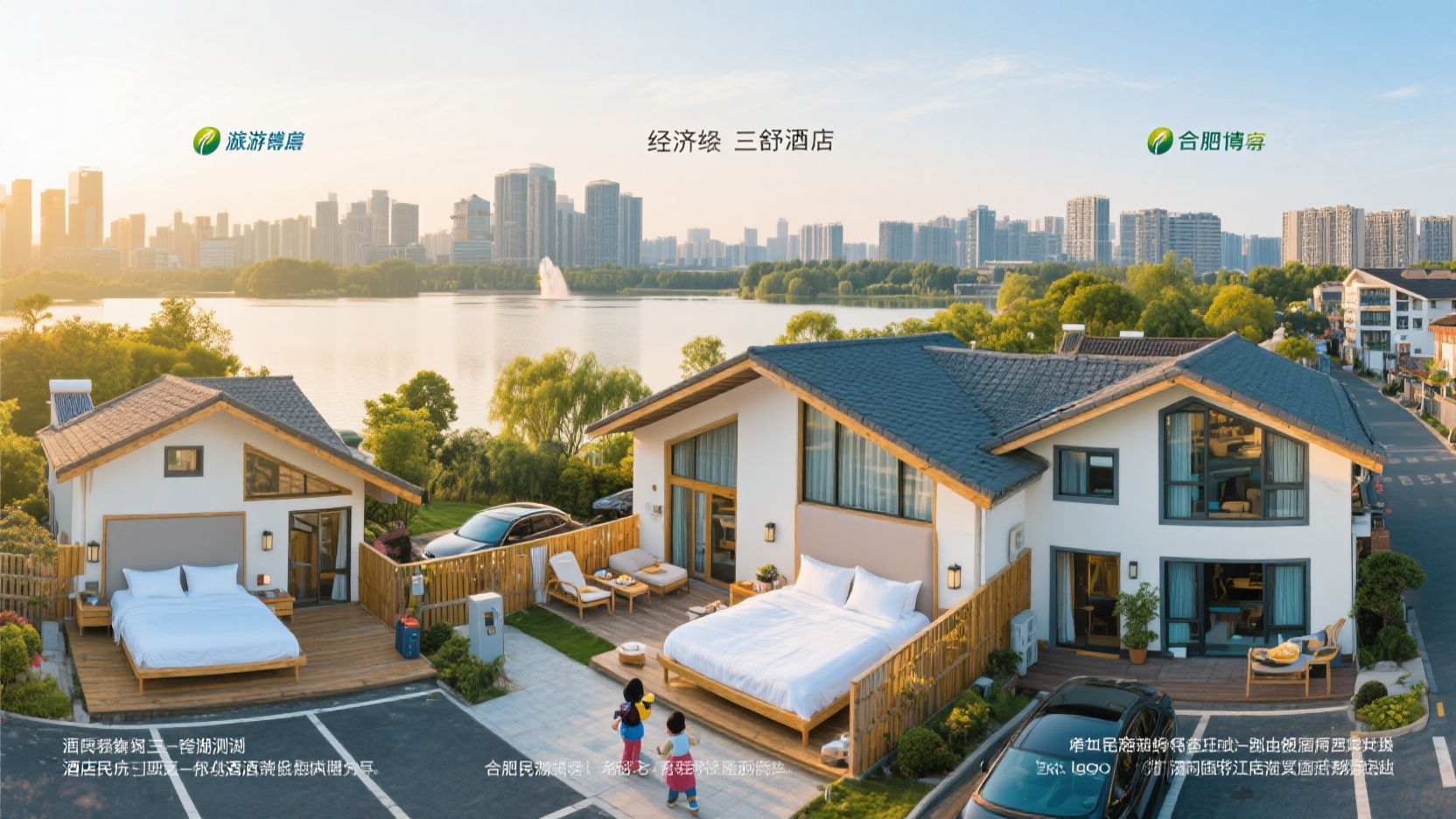
Having stayed in Hefei for many nights, I discovered something counterintuitive: in the same area, guesthouses and chain hotels are often just across the street, yet the experience can be worlds apart. This is especially true in the Old City, Swan Lake, and Binhu areas, where almost everyone struggles to choose. This post won't list hotel names, but will focus on the rooms I've stayed in, dissecting six aspects based on three budget tiers: location, soundproofing, cleanliness, breakfast, parking, and luggage storage.
Budget-friendly: In the old city's Huaihe Road area, homestays cater to the local community, while chain stores cater to the most basic needs.
In the old town area, I've stayed in guesthouses in old residential areas behind the main pedestrian street, as well as budget chain hotels along Huizhou Avenue. In terms of location, guesthouses do allow you to eat duck oil pancakes right downstairs, but the trade-off is dragging your suitcase through three turns in the alleys; chain hotels are mostly located next to main roads, making it more convenient to take a taxi or subway.
Soundproofing is the easiest point to mess up. Many guesthouses in the old town are converted from multi-story residential buildings in the 1990s, with thin floorboards. You can hear your neighbor looking for the remote control in the early morning. Although chain stores in the same price range also have street noise, at least you won't experience the feeling of "your neighbor talking as if it were right next to your bed".
Regarding hygiene, chain stores have standardized linen washing and room inspection procedures, and even budget-friendly options maintain a minimum standard. Homestays, however, depend entirely on the host. I've encountered hosts in the same area with obsessive-compulsive cleanliness, where the floor was so shiny it reflected light, and others with sunflower seed shells in the sofa crevices. Breakfast is generally not offered by homestays; chain stores provide simple meals or partnerships with nearby breakfast providers. Parking is difficult on both sides of the street, with limited public parking in the old town, so driving is highly discouraged. Luggage storage is generally available at the front desk of chain stores, but with homestays, you need to communicate in advance, as it can be troublesome if the host isn't home.
So my conclusion for the budget option is quite straightforward: if you're unfamiliar with the old town, have light sleep, or need invoices or luggage storage, choose a chain hotel; if you just want to stay in the local area to take photos and spend the day exploring, choose a guesthouse.
Comfort level: In the Swan Lake area of the government district, homestays sell window views, while chain stores sell efficiency.
I've stayed in the Swan Lake area twice, once in the summer and once in the winter. Boutique guesthouses are concentrated in several high-rise apartment buildings, with lake views or light shows right outside the windows; mid-range chain guesthouses are located in adjacent office buildings, with shopping malls downstairs. In terms of location, the two are almost equal, and both are conveniently located for taking the subway to Hefei South Railway Station and the old city.
However, the soundproofing of apartments and guesthouses is a matter of luck. Some have lightweight steel frame partitions, so you can hear your neighbor blowing their hair; I stayed at a managed guesthouse and specifically requested a corner unit, which was much quieter. Chain guesthouses in the same price range have noticeably better soundproofing in the hallways and room doors, suitable for people who want to fall asleep immediately after a meeting. In terms of hygiene, comfortable guesthouses are mostly professionally managed, and the cleaning is a step up from the old town, but common areas and kitchen facilities are prone to being overlooked; chains still have the advantage of standardization.
The biggest difference lies in breakfast: mid-range chains usually offer buffet breakfasts with a fixed selection, but enough to fill you up; most Swan Lake B&Bs do not include breakfast, but fortunately there are plenty of convenience stores and breakfast stalls downstairs. Parking is available on both sides via public underground parking garages, with similar costs, and finding a spot on weekends is a matter of luck; chain luggage storage is generally hassle-free, while for B&Bs, it depends on whether the front desk is staffed, and if it's a completely self-check-in experience, you'll likely have to drag your suitcase around town.
I've put this category for two types of people: those who want to enjoy the night view with their kids, cook, and prefer a spacious homestay; and those who are traveling for business, attend meetings, are light sleepers, and want someone to clean their room every day.
Quality level: In Binhu New Area/Chaohu Lake, homestays sell courtyards, while chain stores sell amenities.
I took my elderly family members to stay in this lakeside area for a few days. Resort-style guesthouses are scattered around the Tangxi River, wetlands, and cultural and creative parks. Many are detached or terraced houses with their own courtyards or terraces; high-end chain guesthouses are located next to commercial complexes, and you need to take a taxi to get to Sunac and Chaohu Lake.
Quality-class guesthouses generally have good soundproofing, with detached houses offering virtually no neighborly disturbances. However, if you book the entire house for a gathering, the common areas can be noisy until very late. High-end chain guesthouses excel in soundproofing, with rooms offering almost impeccable quietness. In terms of hygiene, this tier of guesthouses is close to hotel standards, with relatively transparent processes for linen washing and disinfection. However, there are still blind spots in the cleaning of some soft furnishings, carpets, and decorative items. The hygiene of high-end chain guesthouses is like a grid, consistently so to the point of being boring.
Breakfast is where the most interesting distinction lies: guesthouses often offer customized breakfasts or local breakfast baskets, such as Hefei specialties like potstickers and spicy soup; high-end chain buffets offer a wider variety, with both Chinese and Western options, making it less likely for the elderly and children to get tired of the food. Parking is a major advantage of guesthouses, as they generally have private parking spaces or even garages, which are free; high-end chain parking may require an extra fee, and some even offer valet parking. Luggage storage is a concern for high-end chain stores with excellent concierge services; guesthouses offer luggage storage, but advance booking is required, and flexibility is slightly less when it's a standalone property without a front desk.
Conclusion: For family road trips and quiet vacations, choose quality homestays; for amenities like swimming pools, gyms, invoicing and reimbursement services, or seamless service, choose high-end chain stores.
Three "true variables" in a six-dimensional comparative review
After staying in all three types of accommodations, I found that "location" and "parking" are the most significant differences: guesthouses in the old town have great locations but parking is a pain, while guesthouses by the lake have great parking but are in less convenient locations; chain hotels are often located at transportation hubs, but parking is often charged.
"Soundproofing" and "hygiene" are the biggest variables in homestays; different rooms in the same building can vary greatly; chain stores have a high lower limit but a low upper limit. "Breakfast" and "luggage storage" directly determine your departure rhythm for the next day. People traveling with children, driving, or catching the high-speed train early in the morning should prioritize these two items.
The blogger concludes: Finding your place in the list is more useful than just looking at the rankings.
In Hefei, the most expensive accommodation isn't necessarily the best; it depends on your itinerary: for strolling around the old city, budget student travel, and needing luggage storage and receipts, choose an economy chain; for viewing the night view of Swan Lake, a family stay of two or three days, and wanting a living room and kitchen, choose a comfortable managed guesthouse; for a lakeside road trip, with elderly people and children, and seeking a quiet courtyard, choose a quality stand-alone guesthouse.
Practical Tips: Weekday evening check-ins are more likely to result in room upgrades than weekend check-ins; Hefei's subway coverage is good, but driving is more flexible in parts of the old city and Binhu area, so be sure to confirm parking availability before booking; before booking a guesthouse, ask about check-out time, whether luggage storage is available, whether there is an elevator, and whether there is a front desk staff; business travelers need invoices, so choose a chain without hesitation. One last thing: Do you need social interaction, breakfast, or an invoice? – If you need social interaction, choose a guesthouse; if you need breakfast and an invoice, choose a chain; if you need both, choose a mid-range chain with a buffet breakfast and standard front desk; if you don't need any of these, go to an affordable guesthouse in the old city for the most authentic local experience.