
Guiyang in the Markets: 10 Authentic Local Products Hidden in Two Markets in the Old City
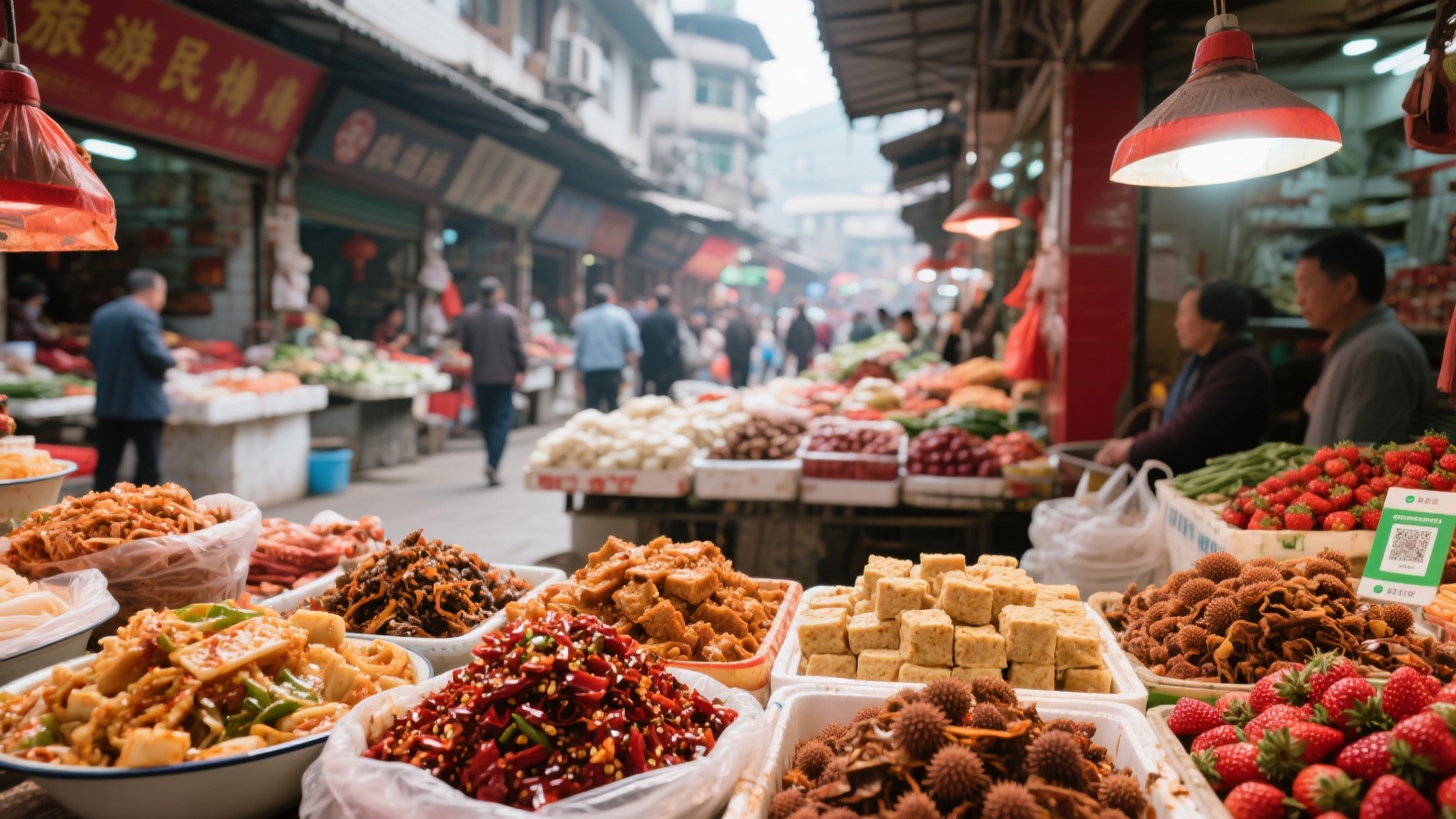
The culinary secrets of Guiyang are half hidden in the steamers of breakfast stalls and the other half in the stalls of the old city's vegetable markets. To fully understand the city's everyday food scene, you don't need to queue at trendy streets; start by exploring the two old vegetable markets: Minsheng Road and Hongbianmen. The former is the "central kitchen" for residents of Yunyan Old Town, while the latter preserves the most authentic, handcrafted flavors of northern Guiyang. Below, we've compiled 10 delicious items in the order of "ready-to-eat cooked dishes—sauces and pickles—snacks and fruits," along with selection and eating suggestions.
Crispy and soft pork cracklings: Two cooking methods
In Guiyang's vegetable markets, the must-try cooked food stall is the crispy pork cracklings. Choose cracklings that are whole, uniform in size, dry and not sticky to the touch, and don't have an oily or rancid smell after chewing. Soft pork cracklings should have a certain moisture, with alternating layers of lean and fat, and an amber color. Locals most often enjoy them plain with tea, or mixed into noodles with pork intestines or glutinous rice.
Ciba chili and pickled chili: the base flavors of Guizhou cuisine
Freshly pounded chili paste at the market is made by mashing dried red chilies, ginger, and garlic into a paste. Choose those that are glossy, fragrant, and spicy but not overpowering. For pickled chilies, look for clear fermentation liquid; ideally, they should have a sour aroma and slight bubbles. The former is suitable for stir-frying with spicy chicken, while the latter can be used in pickled spicy fish or simply mixed with rice.
Red sour soup and litsea cubeba: a portable combination for a sour soup pot.
In old markets, you can often find stalls selling red sour soup in earthenware jars. Choose jars with a small amount of white bacterial film floating on the surface and a mellow, non-pungent sour taste. The litsea cubeba seeds should be plump and have a mixed aroma of lemon and ginger when crushed. Combine these two ingredients, add water to boil fish or pork ribs at home, and you have a Guiyang-style homemade sour soup hot pot.
Bursting tofu and sour soup tofu: two kinds of bean flavor
Choose the bursting tofu from the tofu stalls at the market, selecting those with a fine surface, quick springiness when pressed, and no sour or rancid smell. After buying them, pan-fry them over low heat with a little oil until both sides are slightly browned, then dip them in five-spice chili powder. Sour soup tofu is suitable for cooking in sour soup or cutting into small pieces to make tofu balls; choose those with a slightly firm texture and a subtle sour aroma.
Crispy fried duck and spicy shredded potatoes: perfect snacks to enjoy with drinks.
The crispy fried duck at the cooked food stalls is all about "a penetrating aroma and numbing sensation," so when choosing one, look for a skin that's crispy but not burnt, and whether the peppercorns are evenly distributed. The spicy potato shreds next to it should be thinly sliced, fried until dry and fragrant, and coated with chili powder evenly. Both are suitable as snacks on the high-speed train, but they shouldn't be kept for long; it's best to eat them on the same day.
Salt-pickled vegetables and Dushan salt-pickled vegetables: the sour and spicy layers in pickled vegetables
Pickled vegetables are commonly found in the pickled vegetable section of Guiyang's vegetable markets. They are made from leafy greens, garlic sprouts, and chili peppers. Choose vegetables that are yellowish-brown, have clear juice, and smell a fermented, sour aroma rather than a rotten smell. They can be chopped and stir-fried with minced meat, or used as a filling for steamed buns or glutinous rice. Another type, Dushan pickled vegetables, are sweeter and spicier, suitable for steaming with braised pork belly or served directly with porridge.
Starter powder and rice cakes: the soul of traditional pastries
The starter powder is made from ground sesame seeds and is available at the grain stalls in the market. Choose powder that is fine and has a nutty aroma. For the rice cake, choose one that has a heavy texture and a sweet, rice fragrance. After steaming it thoroughly, sprinkle it with starter powder and brown sugar syrup for a simplified version of rice cake porridge. The starter powder can also be mixed with glutinous rice or used as a filling for glutinous rice balls.
Dried prickly pear and raw prickly pear juice: a wild expression of Vitamin C
Prickly pear is known as the "King of Vitamin C" in the mountains of Guizhou. When buying dried prickly pears from fruit stalls in the market, choose those with a naturally dark yellow color, minimal sugar coating, and a slightly sour taste followed by a sweet aftertaste. For fresh prickly pear juice, choose those that are cloudy with fruit pulp sediment and no artificial flavoring. It can be steeped in water directly or mixed with honey.
Huaxi strawberries and Yongle bright red peaches: seasonal fruity aromas
Fruit stalls at farmers' markets are more in line with seasonal availability than supermarkets. In winter and spring, choose Huaxi strawberries – they're round, with clearly defined pits, and have a milky aroma; in summer and autumn, choose Yongle bright red peaches – they have bright red skin, easily separated pits, and are sweet and crisp. When choosing fruit, don't just pick the reddest ones; smell the aroma and check the freshness of the stem.
Cured pork and sausages: the smoky flavor that time has bestowed.
Local cured pork and sausages are often hung high up at the meat stalls in the market. Choose cured pork with distinct layers, translucent fat, and dark red, non-sticky lean meat. For sausages, look for dry, firm casings and evenly distributed fat and lean meat after slicing. They are best steamed and served with a dipping sauce made from houttuynia cordata, or stir-fried with garlic sprouts.
Exploring the local market is the best way to experience a city. Supermarkets and tourist restaurants have overly formalized local flavors, while the market retains the unadulterated local character: a vendor will tell you how many days this jar of sour soup has been fermenting, an auntie selling tofu will warn you not to press the bursting tofu, and an old man selling dried prickly pears will casually offer you one to try. The crispy pork cracklings piled in bamboo baskets, the litsea cubeba by the earthenware jars, and the bright red peaches appearing seasonally together form Guiyang's most honest flavor map. Before leaving Guiyang, pack half a local market in your luggage; it's closer to "having tasted the city" than any travel guide.