
It's not just summer | These 7 seafood recommendations from locals in Dalian after the Frost's Descent are the real deal.
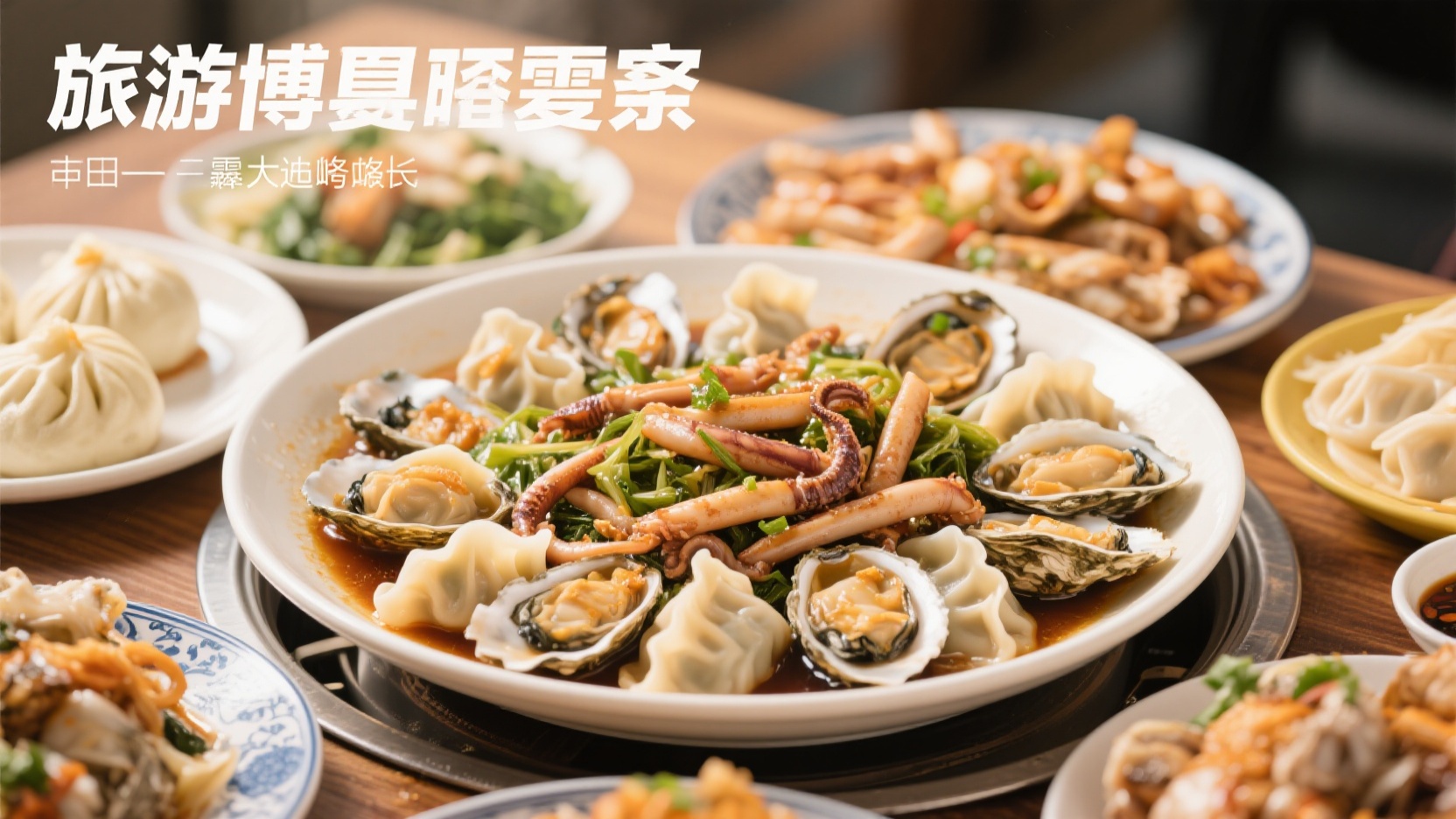
I've advised over a dozen friends: don't come to Dalian to eat seafood in July and August. During those two months, you'll most likely be eating frozen, farmed seafood from other places, and grilled squid from tourist attractions. Dalian's summer fishing moratorium covers most of the summer, resulting in less local near-shore fishing. The market prices are high, and the seafood is mixed. True locals wait until after the first frost when the seawater cools down, allowing shellfish, sea cucumbers, and oysters to fatten up, resulting in a completely different freshness and texture.
This isn't a list of trendy dishes; instead, it's a guide to seven essential foods eaten between the time of Frost's Descent and the time of Winter's Beginning, organized by the four meals a day. Each dish is explained in detail: why it's considered authentic during this solar term, and how locals prepare it.
Breakfast: Seaweed buns with corn porridge – so tender and delicious in spring!
Many tourists only know about Dalian seafood, but they don't know that Dalian locals queue up for a basket of seaweed buns on autumn and winter mornings. The seaweed isn't at its tenderest in spring, but rather the seaweed that has been soaked in cold water after the first frost. This makes it thick, not fishy, and chewy, so it can stand upright when wrapped in leavened dough.
How locals pair it: It must be with a bowl of golden corn porridge and a side dish of chive blossom sauce. Take a bite of the bun and first sip the porridge, letting the aroma of corn complement the freshness of the seaweed—this combination is rarely mentioned in travel guides from other places.
Warning: Seaweed buns sold in tourist areas often use frozen seaweed, resulting in thick skins and little filling. Go to the breakfast stalls next to the morning market in residential areas; look for those with steaming baskets and local elderly men carrying aluminum lunchboxes to buy them – you can't go wrong there.
Breakfast snack: White clam noodles, only daring to eat it before the start of winter with a clear broth.
Unlike other places, Dalian people don't pursue thick broth when eating noodles. From the time of Frost's Descent to the time of Winter's Beginning, white clams are at their fattest and sand-free. Using them to cook clear soup noodles is a common breakfast or lunch meal for many old residents of Shahekou on their days off.
Why is this solar term so authentic? When the weather cools, clams close their shells tightly, resulting in a higher survival rate and more umami substances. In summer, clams open easily when blanched, but the meat is lean, and the broth is prone to containing sand. At this time, the clam meat swells into a small, round ball, the broth is whitish, and the taste is sweet and refreshing.
Locals prepare it this way: First, sprinkle chopped chives and white pepper powder at the bottom of the bowl, then pour in hot broth before adding the noodles. Don't add soy sauce; it will ruin the delicate flavor. Drinking all the broth after finishing the noodles is the highest praise locals give this bowl of noodles. It's a good breakfast option, costing a few tens of yuan per person, but avoid ordering seafood noodles at chain dumpling restaurants; those are just soy sauce broth with a few frozen shrimp.
Lunch: Oyster and pickled cabbage hot pot, even better than stewed in an iron pot.
Tourists visiting Northeast China in winter often flock to iron pot stews, but for Dalian locals, winter hot pot is oysters and pickled cabbage. After the first frost, oysters enter their fattest months of the year, and when cooked with Northeast pickled cabbage, the sour and savory flavors complement each other perfectly.
Oysters shouldn't be cooked for too long. Add the oysters in their shells after the sauerkraut broth has boiled, and eat them as soon as they open. First, take a sip of the sauerkraut broth, then suck on the oyster meat, and finally soak the broth in cornbread.
Locals' preferred way to eat it: It must be served with cornbread, no rice. Dipping the cornbread in the sour broth at the bottom of the pot is even more satisfying than eating oysters alone. If the restaurant serves you a plate of blood sausage, it's basically a tourist trap; locals don't usually serve blood sausage. Mid-range price, around 100 RMB per person. Don't order the seafood platter; that's not part of the local diet.
Lunch: Braised daylily buds (I ate frozen ones in the summer).
Yellow croaker isn't uncommon in Dalian, but its taste varies greatly depending on the season. In summer, most of what's sold in the market is frozen or repeatedly soaked in water after thawing, resulting in tough flesh. After the first frost, when the fishing season has been open for a while, the yellow croaker caught by boat are plump, with a thin layer of oil under their skin.
This is a Dalian-style braised fish dish: Pan-fry the fish until both sides are slightly golden brown, then add scallions, ginger, garlic, star anise, soy sauce, and sugar. Add water and simmer for a few minutes, making sure the sauce doesn't reduce too much. Use chopsticks to separate the fish fillets into garlic clove shapes, then dip them in the sauce.
Locals typically serve it with sorghum rice or cornbread. This dish is very sensitive to saltiness; when ordering, you can say you want less salt and a lighter simmer. If the menu says "home-style braised" but it's actually deep-fried, it's likely to mask staleness, so avoid ordering it.
Afternoon tea: Fried oysters and shredded radish balls, more like a local snack than grilled squid.
Grilled squid sold on the streets of tourist areas is a tourist's signature dish, but locals in Dalian crave freshly fried oyster and radish balls on autumn and winter afternoons. After the first frost, the green radishes are juicy and mildly spicy, and when mixed with oysters, they are fried until crispy on the outside and bursting with juice on the inside.
This food is only good when radishes are in season during the cold season; in summer, the radishes are pithy and the oysters are too thin. Locals eat it as afternoon tea, buying a bag and standing by the market to eat it while it's still hot, even breathing on it to cool it down.
Serving suggestion: Pair with jasmine tea or Dalian-style soda; older generations prefer jasmine tea to cut through the richness. Don't dip it in ketchup; locals usually just sprinkle some salt and pepper on it. These stalls are often located at market exits or residential corners, and they close up shop before evening. For those in tourist areas with large signs, check the oil and shredded radish to see if they're fresh.
Late-night snack: Grilled sea cucumbers. Not all grilled seafood is called Dalian barbecue.
The most underrated grilled food in Dalian at night is sea cucumber, not grilled squid or grilled oysters. After the first frost, sea cucumbers burrow into the mud and fatten up, resulting in a crisp and chewy texture. Grill them quickly over charcoal for a dozen seconds, sprinkle with salt, cumin, and chili, and they taste like a crispy version of beef tripe, but even fresher.
Sea cucumbers are thin and spoil easily in summer, so many shops dare not sell them. Around the time of the winter solstice, old-fashioned barbecue restaurants start keeping live sea cucumbers in seawater tanks at the entrance, processing them to order. Don't order the ones with a thick layer of sauce; they're probably frozen.
Locals' preferred way to eat it: grilled sea cucumbers should be served with a flatbread and a bowl of hot soy milk, not beer. Sea cucumbers have a strong seawater taste, and beer will leave a fishy aftertaste. Breaking open a flatbread and stuffing two skewers of sea cucumbers inside is the perfect late-night snack. You can have a very good meal for around 100 yuan per person. Sea cucumber skewers at the barbecue streets in tourist areas are small and expensive, while locals prefer barbecue shops in older residential areas.
Late-night snack bonus: Sea cucumber dumplings – don't compare them to regular dumplings.
If you still have an appetite for a late-night snack, sea cucumber dumplings are a hidden treat for locals in Dalian during late autumn. Sea cucumbers, chives, and a small amount of pork filling are wrapped in a thin skin, and when you bite into them, fresh juices burst out. The sea cucumbers shouldn't be chopped too finely; they should be kept in small pieces for a crunchy texture.
Why is this the best time to enjoy the authentic flavor? The peak season for sea cucumbers coincides with the time after the first frost, doubling the umami of both. Sea cucumber prices rise in deep winter, and their flavor diminishes in spring.
Locals prepare it by mixing minced garlic with rice vinegar and a little of the original dumpling broth. Eat two dumplings without dipping sauce while they're still hot, then lightly dip each one afterward. Definitely don't use soy sauce, as it will mask the delicate freshness of the sea cucumber. Sea cucumber dumplings are mid-to-high range, costing several tens to over a hundred yuan per person. It's not recommended to order dumplings with finely chopped sea cucumber like a paste.
In conclusion
First, don't ask locals which seafood is good in the summer. Many locals themselves rarely eat local near-shore seafood in the summer. It's better to wait until after the first frost.
Second, Dalian is not just about sea urchins and grilled squid. Sea cucumbers, oysters, and white clams are the three must-haves for autumn and winter. Avoid ordering seafood platters and the trendy shovel seafood.
Third, the best time to visit is from after the Frost's Descent to around the Beginning of Winter. If it gets colder later, some stalls will close early, and the price of sea cucumbers will rise.
Fourth, don't mix and match side dishes randomly. Locals use chives, minced garlic, cornbread, and flower tea. They don't use butter, cheese, or soy sauce to mask the freshness. The simpler, the better.
Fifth, avoid seafood from fishing villages near scenic spots that advertise "freshly caught and cooked" seafood. Not all seafood is plump enough. Going to an established local restaurant near the market is a safer bet than going to a trendy restaurant.