
Taking Parents to Changchun: A Personal Guide to a Relaxing 5-Day, 4-Night Trip – A Checklist to Avoid Pitfalls (for Seniors)
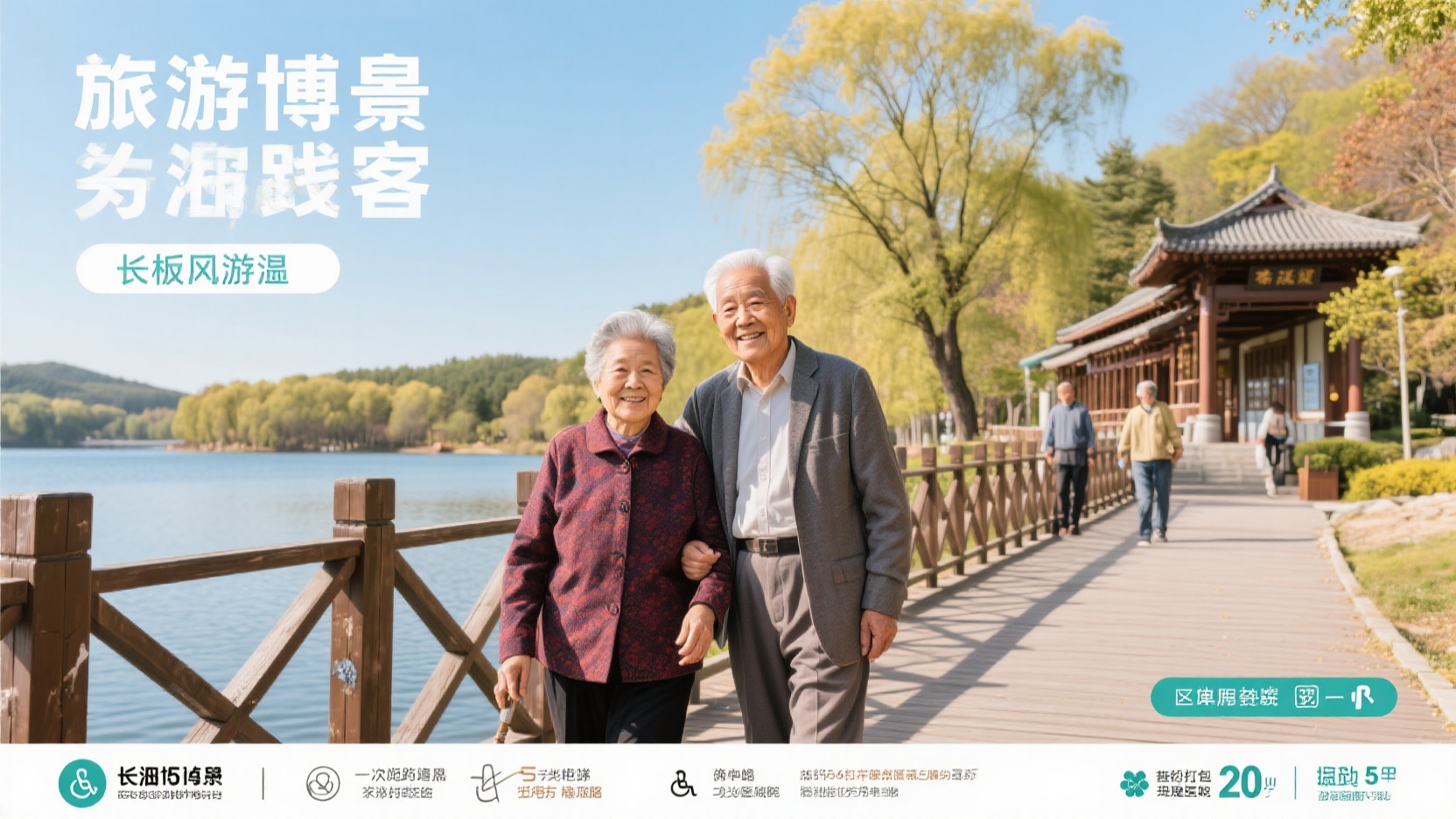
Choose accommodation between Nanhu Park and Hongqi Street, not near the train station.
While the area around Changchun Railway Station is conveniently located, the walk from the station exit is long and the crowds are dense, making it inconvenient for elderly people with luggage. This time, I chose a hotel between Nanhu Park and Hongqi Street. There's a convenience store and pharmacy downstairs, and a shopping mall is less than a ten-minute walk away. The hotel must have an elevator, preferably with seating in the lobby, and rooms should have a shower bench or a non-slip mat for guests. Hongqi Street has a high concentration of shopping malls with many indoor restrooms, so elderly people can easily find a restroom if they want to shop. More importantly, it's a short drive to a nearby level-two or higher hospital, ensuring peace of mind in case of emergencies at night.
A midday nap is a must. We leave at 9 a.m., return to the hotel area for lunch around 11:30 a.m., then go back to our room to sleep until 2:30 p.m. before heading out again. This might seem like we do less sightseeing, but for seniors, standing for extended periods is the worst thing about traveling, and a midday nap helps our legs recover.
Day 1: Walk a short section of the gentle wooden boardwalk at Jingyuetan Park, and stroll leisurely through Nanhu Park in the afternoon.
Jingyuetan is quite large, so don't even think about going around the entire lake. We took a taxi to a viewing platform closer to the entrance, walked along the gentle wooden boardwalk for about forty minutes, and then turned back. This path has almost no steps, and there are seats every so often, but the restrooms aren't very frequent, so be sure to use the restroom before you start. Bring a folding cushion for the elderly so they can sit down directly when the seats are cold or wet.
We ate Northeastern Chinese food near the hotel for lunch, which was low in oil and salt, and then took a nap. Around 4 PM, we went for a walk in Nanhu Park. The lakeside path was gentle, there were plenty of public restrooms, and wheelchairs were easily accessible. Nanhu Park is close to the hotel, so we could easily leave whenever we got tired.
Day 2: Visit only the core exhibition halls of the Puppet Emperor's Palace. Borrow a wheelchair before entering the courtyard.
The Puppet Emperor's Palace Museum is worth visiting, but some of the older buildings have many stairs, and wheelchair access isn't available in every building. It's recommended to go to the visitor center upon entering to inquire about borrowing wheelchairs or canes, and then only visit the core exhibition halls and gardens, keeping the visit to within an hour and a half. There are plenty of indoor seating areas, and restrooms are readily available, so seniors don't need to hold it in while rushing.
No outdoor activities are scheduled for the afternoon. After lunch break, seniors can go to a nearby shopping mall for indoor activities, sit and have some hot drinks. This way, the next day won't feel monotonous, and the seniors will feel relaxed instead.
Day 3: Choose either the ancient town or the hot springs, with a driving time of 30 minutes to one hour.
Make only one choice each day. If you enjoy a lively atmosphere and want to take some photos, head to the indoor antique-style street. It has smooth floors, elevators, plenty of restrooms, and convenient dining options. If you prefer tranquility and want to relax in a hot spring, choose a hot spring near the city center, within a 30-minute to an hour drive. Avoid places that are too far away. Beforehand, check if the changing rooms have non-slip slippers and if there are handrails in the shower area and around the pools. Elderly people should not soak for more than 20 minutes at a time.
If you choose the hot springs, you can soak in the water in the morning, take a nap on a lounge chair in the rest area, and then return to the city in the afternoon. This is much more comfortable than trying to explore the ancient town. Whichever you choose, check the distance to the nearest level-two or above hospital on the map before you set off, preferably within a half-hour drive.
Day 4: Visit only the indoor sections of the World Sculpture Park, and have a brief visit to Guilin Road.
Changchun World Sculpture Park has a large outdoor area with a lot of walking, so it's not recommended to take a long walk with parents. Go directly to the indoor sculpture hall, which has elevators and wheelchair accessible pathways. The restrooms are clean, and there are plenty of seats. An hour is enough to leisurely look around. Just glance at the outdoor sculptures when you drive by; don't make elderly people walk long distances just to take photos.
After lunch break, we went to Guilin Road to try some snacks, but the area was crowded, so the elderly should avoid peak hours and buy a few things to take back to the hotel.
Day 5: Only shop on the single floor of the shopping mall in the mountain area, and allow three hours for the return trip.
The last day is planned to be spent indoors. This is a sloping commercial complex with elevators and escalators, but the winding slopes can be tiring, so it's recommended that seniors only stay on the first or second floor and avoid climbing. The mall has plenty of restrooms and restaurants, and is close to a hospital, making it a good place to spend time before heading home.
On the return day, avoid rushing; finish the trip at least three hours early to allow ample time to get to the station or airport. Over five days, with a maximum of two stops per day, the elderly couple didn't complain of foot pain at all. This slow pace is key to traveling with parents.
The blogger summarizes: When traveling with senior citizens in Changchun, the key isn't the number of places to visit, but rather "easy access to restrooms, usable elevators, and a convenient lunch break." Below is my actual packing list and medication reminders from this trip.
20 items to pack for seniors traveling: 1. Folding seat cushion; 2. Non-slip soft-soled shoes; 3. Light jacket or vest; 4. Insulated water bottle; 5. Commonly used medication containers; 6. Blood pressure monitor (if needed); 7. Blood glucose meter (if needed); 8. Folding cane or hiking poles; 9. Wheelchair or walking aid (depending on the situation); 10. Face mask; 11. Tissues and wet wipes; 12. Hand sanitizer; 13. Band-aids; 14. Knee pads; 15. Sun hat; 16. Folding umbrella; 17. ID card and medical insurance card; 18. Hotel address card; 19. Power bank and charging cable; 20. A small amount of cash.
Five categories of commonly used medications to remind you: Category 1: Cardiovascular and cerebrovascular medications, such as antihypertensive drugs and nitroglycerin; bring the usual dosage and carry it with you. Category 2: Gastrointestinal medications, to prevent traveler's diarrhea or dietary inconvenience. Category 3: Cold and fever medications, as Changchun experiences large temperature differences between spring and autumn. Category 4: External medications, such as liniment, band-aids, and medicated oil. Category 5: Personal chronic disease medications, such as hypoglycemic drugs and asthma inhalers; be sure to put them in your carry-on bag and do not check them in.
If you could choose the season, I would recommend going in May or September, when the weather is stable and walking is comfortable. If you go in winter, make sure your shoes have non-slip soles, and cut your trip in half.