
Twelve Hours of Dining in Longcheng: Local Street Food from Early Morning to Late Night
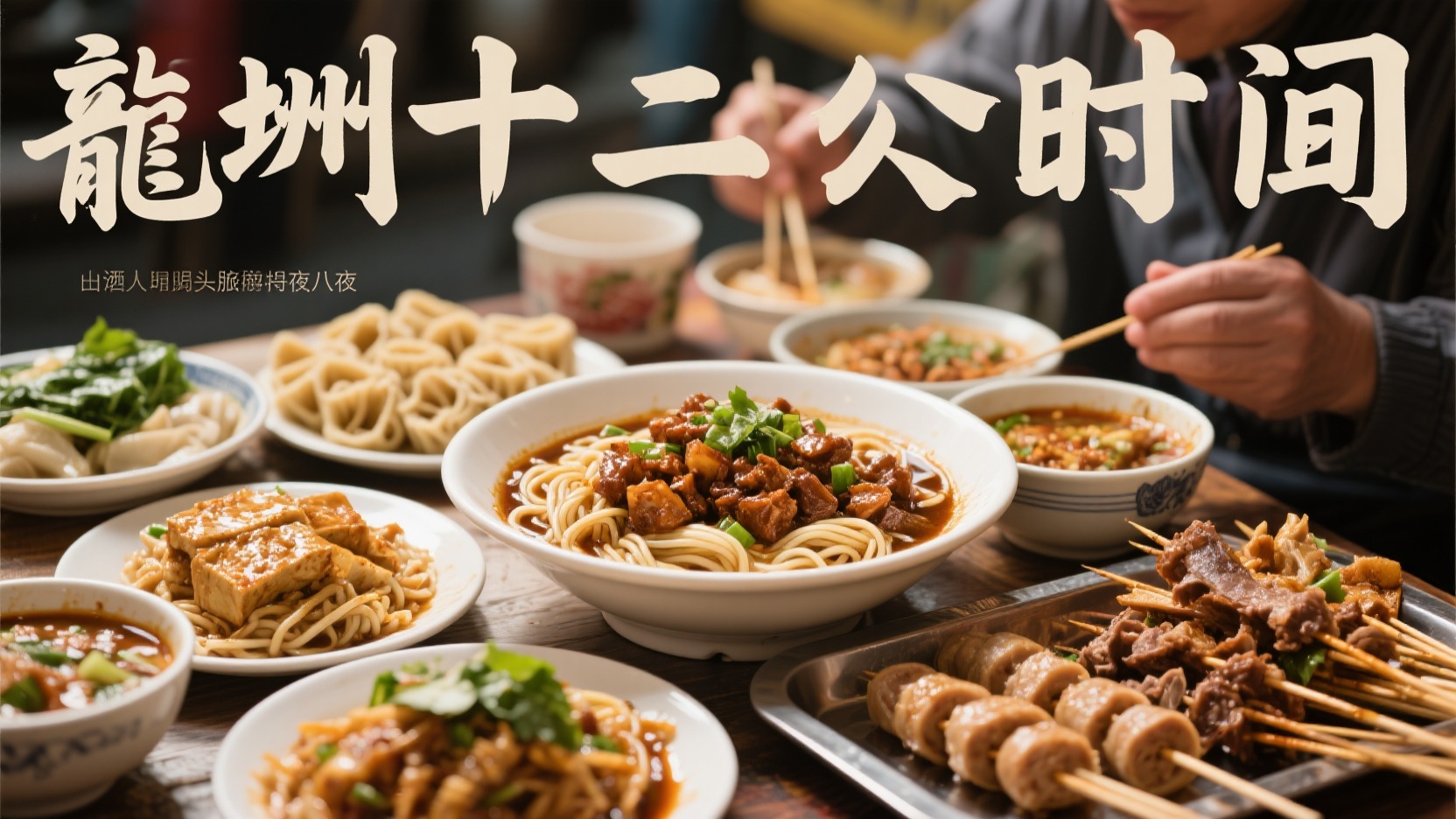
A day in Taiyuan begins with a bowl of "Tou Nao" (a type of soup) infused with the aroma of Shaoxing wine and ends late at night with skewers of dipping sauce rising and falling from the skewers. The city's culinary system isn't found in tourist attractions, but rather in the steamers of breakfast stalls, the woks of humble eateries, and the dipping sauce buckets of night market vendors. Following the locals' daily mealtime routine, one can sample eight representative everyday dishes.
Early Morning: Brain and Old Tofu Sesame Leaves
"Tou Nao" is the most recognizable medicinal dish for mornings in Taiyuan during winter and spring. Lamb is chopped into chunks and stewed until tender, then yam and lotus root are added and cooked together. Separately, flour is stir-fried over low heat until golden brown, then mixed into a paste and poured into the lamb broth. Shaoxing wine is added for aroma. The finished dish has a creamy consistency, with the initial taste of fresh lamb and slightly spicy Shaoxing wine, followed by the soft texture of yam and the crispness of lotus root. Older Taiyuan residents typically serve it with a dish of pickled leeks and half a baked hatbox, enjoying it slowly while it's hot. It's not about efficiency, but rather a traditional breakfast remedy for the dry, cold climate.
A more common breakfast combination is firm tofu and fried dough sticks. Taiyuan firm tofu is mainly made with brine and is quite firm. It's topped with a savory sauce made from daylily buds, wood ear mushrooms, egg flowers, and starch. The tofu is tender but doesn't fall apart, and the sauce is savory and delicious. Fried dough sticks are similar to fried dough sticks, and in Taiyuan, these fried foods are often called "fried dough sticks." They are typically crispy on the outside and hollow on the inside. Office workers often have a bowl of firm tofu with two fried dough sticks, tear them open, dip them in the sauce, and finish them in a few minutes, making for a refreshing meal that combines the aroma of beans with carbohydrates.
Lunch: Braised noodles, stir-fried pork, and oat noodles.
For Taiyuan locals, noodles are an indispensable part of lunch. Braised noodles are a symbol of both everyday life and hospitality: hand-pulled noodles are cooked until slightly firm, topped with a sauce of daylily buds, wood ear mushrooms, shiitake mushrooms, dried bean curd sticks, and thinly sliced roasted pork, seasoned with salty soy sauce, and then drizzled with beaten egg to form thin strands. The sauce is thickened with cornstarch to create a glossy finish. The noodles are chewy and absorb the sauce well, offering a savory initial taste followed by a fragrant aroma. Some people add a touch of aged vinegar to cut the richness and enhance the flavor. In old Taiyuan customs, "dumplings for leaving home, noodles for returning home," a bowl of braised noodles often symbolizes arriving home and a sense of security.
Guo You Rou (过油肉) is a hearty, down-to-earth dish in Shanxi cuisine. Sliced pork tenderloin is marinated in egg white and cornstarch, then quickly stir-fried in plenty of oil until it changes color. It's then stir-fried over high heat with garlic sprouts and wood ear mushrooms, and finally drizzled with vinegar sauce before serving. The pork slices are tender and juicy, with a prominent vinegar aroma, neither dry nor greasy. While this dish may seem simple, mastering the control of heat and oil temperature requires considerable skill. Many old restaurants in Taiyuan still use it as a litmus test for their chefs, and it's a perfect accompaniment to rice or noodles for lunch.
Oat flour rolls embody the traditional craft of refining coarse grains. Oat flour is scalded with boiling water, then rolled into thin sheets on a board while still hot, rolled into a cylindrical shape, and steamed upright in a steamer. Once steamed, they resemble a honeycomb structure and are eaten dipped in mutton sauce or tomato sauce. They have a chewy texture and the unique aroma and sweet aftertaste of oats. A steamer of oat flour rolls for lunch is both filling and provides the added satisfaction of whole grains compared to refined white flour.
Afternoon tea: Buckwheat sausage
In the afternoons, "Guanchang" (a type of buckwheat noodle dish) stalls are a common sight on the streets of Taiyuan. Buckwheat noodles are mixed into a thin paste, steamed into a dark, lumpy consistency, cooled, cut into strips, and then drizzled with garlic and vinegar sauce, braising oil, and chili oil. It has nothing to do with meat sausage; it's more like a close relative of liangfen (cold mung bean jelly) and wantuo (a type of steamed rice noodle dish). It has a smooth, slightly chewy texture and a tangy, spicy flavor. Enjoying a bowl of buckwheat Guanchang in the afternoon is both satisfying and refreshing, a small interlude between meals in this noodle-rich city. Especially in the summer and autumn afternoons, the stall owner ladles the sauce over the food, and customers eat it standing up—a common scene on the streets of Taiyuan.
Late at night: Skewered mutton and offal
After nightfall, the food stalls become a haven for dipping skewers. Cooked ingredients like seaweed, bean curd sheets, potato slices, and chicken sausages are skewered on bamboo sticks, and diners gather around the dipping sauce buckets, dipping each skewer in the sauce before eating. The sauces range from garlic and sesame paste to chili oil, thick and coating the skewers, allowing for multiple dips on the same skewer. This style of eating has a distinctly shared and social character, often becoming the first stop for young people after work. As the skewer bucket empties, it signifies the beginning of relaxation after a long day.
For a final touch, you can choose lamb offal soup. The lamb offal is washed, cooked, and cut into strips, then added to boiling lamb bone broth along with vermicelli, and sprinkled with chopped green onions, cilantro, and chili oil. The broth is clear yet flavorful, and the aroma of the offal is perfectly balanced with pepper and vinegar. A bowl of this late at night, savory, spicy, and hot, is the most direct way for Taiyuan locals to conclude their day.
From the streets to the alleys, experience the city through its food in a single day.