
Jinhua 48-Hour Intensive Tour | 2 Days 1 Night High-Density City Center Tour, Includes Transportation Saving Card and Queue Avoidance Tips
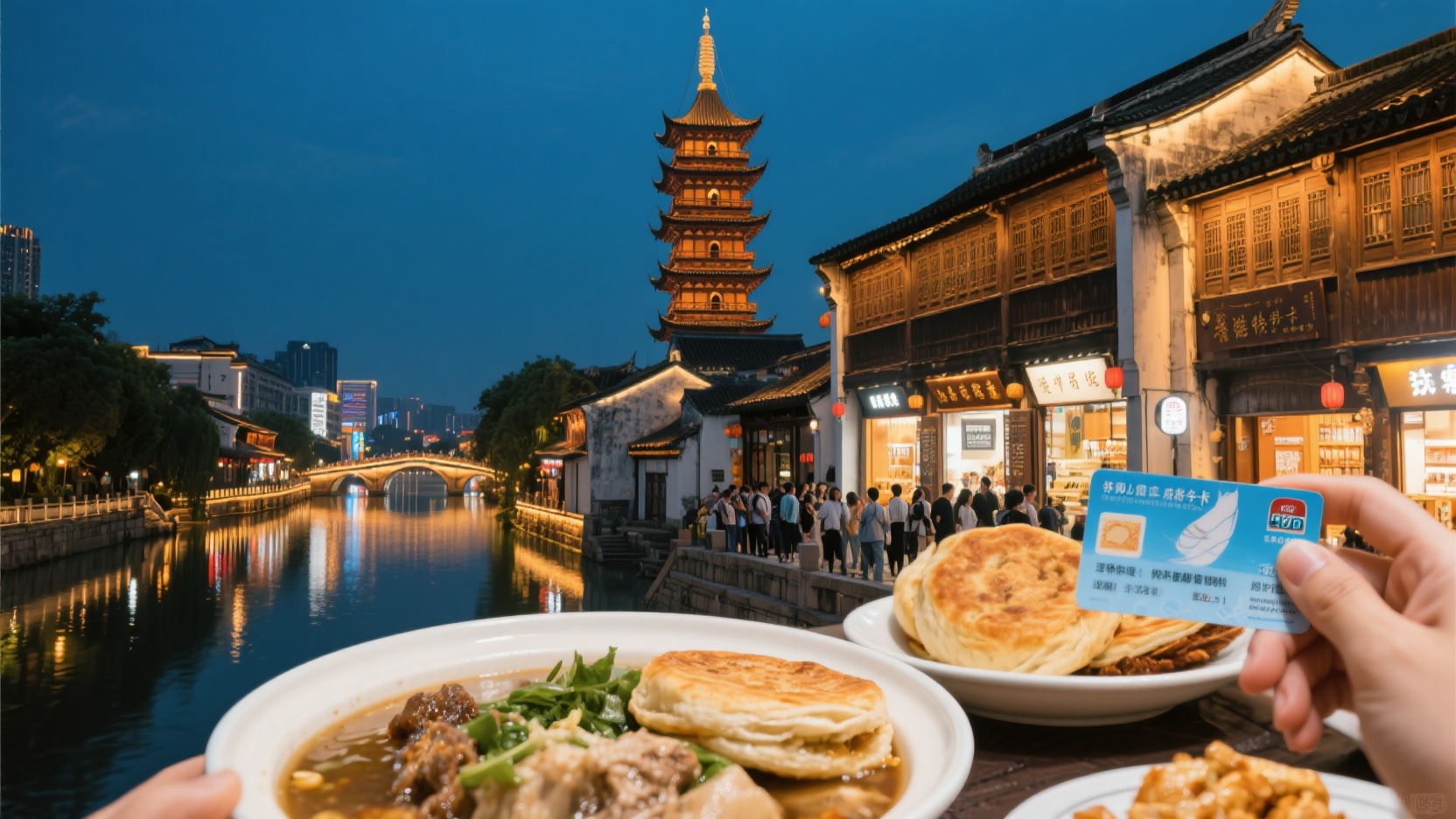
The core of the weekend pop-up tour in Jinhua's main urban area is to compress the "Ancient City - Wujiang River - Jiangbei Business District" into a single, non-returning route. Two days are enough to cover the essence of the old city and the surrounding mountains and countryside. The key is to avoid backtracking and extensive street exploration, focusing instead on meals at set times and sightseeing along a designated route.
Day 1: Starting from the ancient city, we eat our way to the night view of Jiangbei.
Starting in the morning at Wuzhou Ancient City, first climb Bayong Tower for a view of the confluence of the Wujiang and Sanjiang rivers. The exhibits inside are simple, with the focus on the riverside platform. Afterwards, walk along Jiufang Lane to the Taiping Heavenly Kingdom Prince's Mansion, where murals and stone carvings are the main attractions. The old-style gates and small exhibition halls on both sides of Jiufang Lane can be quickly browsed; the focus should be on the pastry shops and snack stalls in Bayong Old Street. For Jinhua pastries, it's recommended to choose the small, freshly baked ones with preserved mustard greens and pork filling; eating them while they're hot makes the crust less greasy. Pair them with a cup of Buddha's Hand tea to cut through the richness, and it won't take up too much time.
At noon, walk from the ancient city to the Jiangbei commercial district and have a pot of Jinhua pork bone soup. The pork bone soup is perfect for two people to share; first suck out the marrow, then add tofu skin and dried bamboo shoots. You can add a serving of handmade rice cakes as a main dish. After lunch, walk along Xishi Street to digest, and pick up a small package of Jinhua ham or ready-to-eat ham slices as a souvenir. It's not recommended to buy gift boxes at the scenic area entrance.
In the afternoon, choose either the Jinhua Museum or Huang Binhong Park. If you're interested in the ancient city's layout, prioritize the museum, as it will quickly provide insights into Wuzhou's history and the artifacts unearthed from the Wanfo Pagoda's underground palace. Before sunset, return to the Wujiang River and walk along the riverside path from the ancient city to Yanweizhou Park. Once the Rainbow Bridge and Wanfo Pagoda are illuminated, they create a stunning night view of both banks of the river. Good vantage points for photography include the middle section of the Rainbow Bridge or the opposite bank's path. In rainy or foggy weather, the reflections on the river surface are actually more suitable for capturing reflections.
For dinner, you can return to the Jiangbei Night Market and order one serving each of Lanxi chicken rice cake, Yongkang meat pie, and Dongyang wheat noodles, finishing with a bowl of sweet fermented rice. If the Wanfo Pagoda is open for evening visits, it's recommended to book your visit in advance; otherwise, you can simply take photos of the pagoda's reflection from across the river. The night market stalls are clustered together, so it's advisable to walk around the market first before deciding what to eat to avoid wasting time queuing at the entrance.
Day 2: In-depth exploration of the old town, avoiding peak hours and making the most of what you see.
The second day doesn't require an early start to the day. The in-depth route through the old town follows the order of "Jinhua Museum—Xichun Lane—Shiliu Lane—Fujiu Workshop Ruins—Jiufang Lane Handicraft Shops." In the morning, first visit the Jinhua Museum, which you missed the previous day. Then return to Xichun Lane and explore the old street, finding several intangible cultural heritage shops. Focus on Jinhua paper-cutting, Wuzhou kiln pottery, and bamboo weaving. These shops usually allow you to try out the crafts or observe closely, making for more memorable experiences than simply taking photos.
For lunch, grab a bowl of Dongyang noodles or Jinhua soup dumplings near Jiufang Lane or Shiliu Lane, paired with a side of braised cabbage and tofu—the flavors are strong but delicious. In the afternoon, walk to the perimeter of the China Wuju Opera House; the architecture itself is great for photos. If time permits, you can ride a shared electric bike to the Jinhua Ham Museum to learn about the traditional ham-drying process. Be mindful of the one-way streets in the old town while riding; setting your navigation to walking or cycling mode is more reliable.
Finish your city tour before 3 PM. If you insist on going to the suburbs, choose only the Shuanglong Cave route: there are tourist buses from the high-speed rail station or the city center. Allowing three hours is enough to see both Shuanglong Cave and the Ice Curling Cave, but the chance of queuing is high on weekends, so you need to book in advance on the official platform. If the weather is hot or you are carrying luggage, it is recommended to skip the suburbs and spend time leisurely exploring the old town.
Transportation Saving Card
Both Jinhua Station and Jinhua South Station offer access to the main city via BRT or urban rail transit. Payment can be made using Alipay or WeChat Pay QR codes. Transfer discounts are available between buses and BRT. Walking or using shared electric bikes is the most time-efficient way to travel between the Ancient City, Wujiang, and Jiangbei commercial districts. Taxis are not recommended due to the narrow roads in the old city. For Shuanglong Cave, the tourist bus is more reliable than a shared ride, and passengers can wait at the same stop both ways. The Jinyidong Line connects Yiwu and Dongyang; it could be extended if there is available free time, but this will take up time in the old city.
Packing list
For a two-day, one-night trip, bring only one backpack: ID card, power bank, folding umbrella, sunscreen, a pair of non-slip walking shoes, a change of clothes, and an empty water bottle. In summer, add a small fan and mosquito repellent; in winter, add a light down jacket. Clear the memory on your camera or phone beforehand; a tripod or stabilizer is optional for night photography. It's recommended to buy souvenirs like pastries and ham last to avoid carrying them throughout the trip.
Avoiding pitfalls while queuing
Jinhua crispy cakes and pork bone soup are notorious for long queues; it's recommended to buy the former before 10 AM and avoid the 12 PM to 1 PM peak for the latter. Both the Wanfo Pagoda and Jinhua Museum require reservations, with weekend slots in high demand; confirm your reservations through official channels one day in advance. The "freshly sliced ham tasting" stalls around the scenic areas are mostly sales pitches; don't linger if you're not buying anything. The Old City weekend market is busiest after 4 PM; consider combining the night view with the market to avoid repeated trips. If you encounter long queues at popular restaurants, the quality of similar snacks in the old town is generally similar; switching to another one will save you time.