
These 6 Hong Kong Shops | My Hidden Gems (Not Popular) - I Visited Them Three Times Before Writing This List
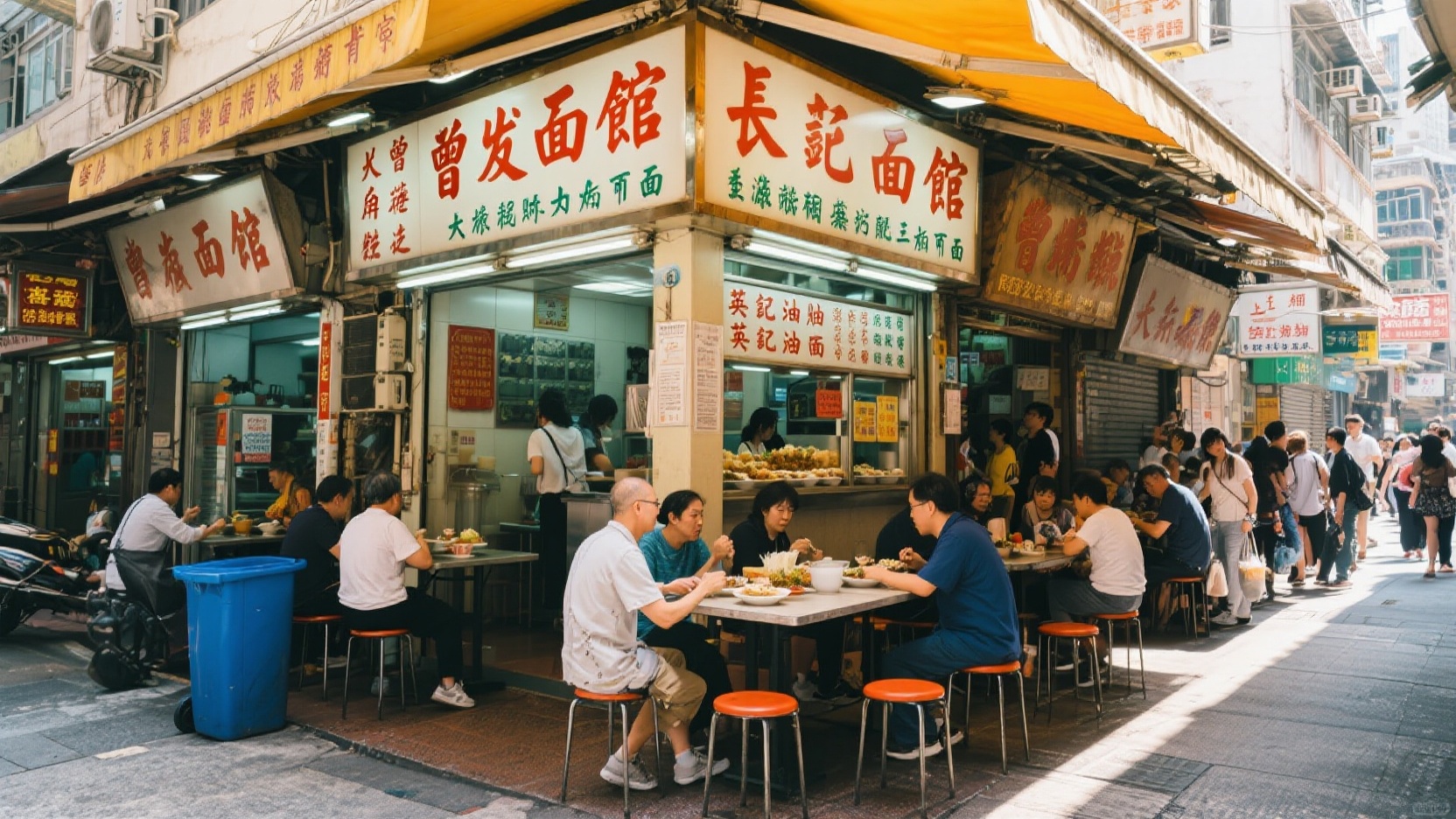
Sham Shui Po's Cheung Fat Noodle Shop: The pork lard noodles under the tin shed will be gone before closing time.
Why it's worth visiting: Long Hair Noodles is located in the old town area of Castle Peak Road. The shop is a makeshift stall made of corrugated iron, relying on a few ceiling fans in the summer and letting in cold winds from the doorway in the winter. Local uncles come for noodles and, without even looking at the menu, simply order "pork lard noodles with beef brisket." The service is fast, the portions are generous, the noodles are thick, the pork lard is intensely fragrant, and the beef brisket, while chewy, isn't dry. First-timers might hesitate based on the ambiance alone, but after the first bite, you'll understand why some people travel from afar to visit.
What to order: Don't hesitate, just order the "Pork Lard Noodles," and then order a side of beef brisket or fish balls. Stir the noodles while they're hot, and add a little of the shop's homemade chili oil for an extra burst of aroma. What else can you buy nearby: Walk back to the Beihe Street area, and you can grab some white sugar cakes and sesame cakes from Kun Kee Cake Shop. They're not too sweet, and the selection is best around 3 or 4 pm.
Cheung Heung Restaurant in Sai Wan: Satay beef noodles with egg tarts; buy egg rolls at the nearby market.
Why it's worth visiting: Cheung Heung has been open in Shek Tong Tsui, Sai Wan for decades. Its storefront isn't particularly eye-catching, but during rush hour, it's always packed with minibuses. There aren't any "must-visit" deals here; most customers are local residents. The satay beef noodle soup is rich but not overly salty or bitter, and the beef slices are smooth and tender. What impressed me most was the egg tart; the crust was made with a cookie base, and the custard was baked until slightly puffed up, and it didn't taste fishy even when cooled.
How to order: Arrive before 10 AM, order a bowl of satay beef noodles with a fried egg, an egg tart, and hot milk tea. Ask for extra juicy satay sauce for a smoother noodle mix. What else to buy nearby: Walk along Queen's Road West to East, the Chi Lai Xiang Egg Roll shop is small, but their original and phoenix rolls are excellent. Bringing a couple of cans on the plane won't result in them breaking too badly.
Tsang Kee Kueh in Sheung Wan: Teochew kueh at the Municipal Building Food Centre, even more delicious when eaten cold.
Why it's worth a visit: I remember a cooked food center hidden in the Sheung Wan Municipal Building, where in the afternoon there were often only empty plates left. They specialize in Teochew kueh (rice cakes), with thin-skinned chive kueh filled with plenty of filling, and bamboo shoot kueh with a hint of five-spice powder. The presentation isn't as elaborate as trendy shops; it's just served on parchment paper, but the kueh skin isn't sticky, and the fillings are fresh. Local Teochew families often buy it by the box to take home.
What to order: For first-timers, it's recommended to order two "chive kueh" and two "bamboo shoot kueh," plus a bowl of clear soup. Eat the kueh while it's hot, but don't take big bites yet, as the broth is quite hot. What else to buy nearby: After exiting the Sheung Wan City Hall, walk towards Bonham Street West. Chan Yee Chau's traditional barley cakes and bird's nest cakes make good souvenirs; they have a mild flavor and are suitable for bringing to elders.
North Point Tak Hing Lung: Tofu pudding with pan-fried stuffed tofu, and fish balls available at the market entrance.
Why it's worth a visit: Tak Hing Lung is located near Marlborough Road in North Point. They sell soy milk and fried dough sticks in the morning and tofu pudding and pan-fried stuffed tofu in the afternoon. The soy flavor is very strong, and the tofu pudding is so smooth it slides right down your throat. This place doesn't have a travel guide, but it's a taste that North Point locals have enjoyed since childhood, especially the fish paste on the pan-fried stuffed tofu—it's bouncy and not powdery.
What to order: Order a bowl of hot tofu pudding, only with ginger syrup, not too many kinds of syrup, so you can taste the bean flavor. Also order a plate of pan-fried stuffed tofu, freshly fried and served. What else can you buy along the way: Turn into Chun Yeung Street Market, and you can buy half a pound of handmade fish balls at the Chao Hing Fish Ball takeaway stall at the entrance. Add a few to your noodles when you get back to the hotel; they're much better than the frozen ones from the supermarket.
Tai Kok Tsui Ying Kee Pork Crackling Noodles: The pork cracklings are generously served, and it's even more satisfying with a side of raw intestines.
Why it's worth a visit: Ying Kee in the old town of Tai Kok Tsui is a small shop frequented only by locals. The menu is extremely short, with its signature dish being fried pork crackling noodles. The pork cracklings are fried until dry, absorbing the broth before being soaked in, offering a chewy yet not greasy texture. The restaurant is mostly frequented by locals after work, each enjoying a bowl of noodles and a small side dish in a quiet atmosphere.
What to order: For the pork crackling noodles, remember to ask for an extra portion of noodles. You can ask for either leaner or fatter pork cracklings; regulars will usually tell you. Also order a plate of blanched pork intestines – they're crisp and not fishy. What else can you buy nearby: There's an old-fashioned bakery near the Tai Kok Tsui Market. Their walnut shortbread and chicken biscuits come in simple plastic boxes, but the moisture level is just right – not too hard to chew.
Lui Tsai Kei, Shau Kei Wan: Fish Siu Mai and Shark Fin Soup for Dusk (Limited Time Only)
Why it's worth a visit: Lui Tsai Kei is located on Tung Main Street in Shau Kei Wan. The storefront is tiny, and it only reaches its peak around 4 or 5 pm. The fish siu mai isn't the starchy kind you find in teahouses; you can see the fish meat texture when you bite into it. The shark fin soup is thick and rich, with shredded shiitake mushrooms and pork, and the peppery flavor isn't overpowering. This is a popular spot for Shau Kei Wan grandmothers to grab a bite after picking up their grandchildren from school.
What to order: Order a fish siu mai and a bowl of shark fin soup. Be sure to dip the siu mai in the shop's homemade chili oil, and add a little red vinegar to the shark fin soup. Some flavors will sell out after 6 PM, so it's recommended to arrive early. What else to buy nearby: There's a small shop selling nostalgic snacks on Tung Street towards the tramway. Buy a bag of fermented bean curd peanuts or sugar-coated scallion pancakes to eat while walking – very Hong Kong style.
These six stores share obvious characteristics: average environment, affordable prices, and they only cater to regular customers. After three visits, the biggest takeaway is that "avoiding peak hours" is more important than "which store to go to." Please keep the following three tips for avoiding pitfalls in mind.
First, avoid going during peak meal times. Local stalls serve food quickly, but there may only be a few seats. Lunch from 12:30 to 1:30 and dinner from 6:30 to 8:00 are the most likely to be crowded with locals. Go earlier or during afternoon tea hours; the owners are more patient, and the quality is more consistent.
Second, don't just order the signature dishes. Some restaurants do rely on their signature dishes to make a living, but the real essence lies in the side dishes or hidden combinations that regular customers often order. For example, Chang Fa is not only good at noodles, but also excellent at fish balls; and at De Xing Long, don't miss the pan-fried stuffed tofu. Focusing on only one thing to eat can easily make you miss out on the good stuff.
Third, remember to bring cash. Most of these old shops only accept cash or Octopus cards, and some don't even accept Octopus cards. Having banknotes on hand will save you the trouble of finding an ATM nearby. Also, most of these shops are closed on Sundays or public holidays, so check their closing times before you go.