
Art Tour of Hong Kong | Journey Through a Century of Splendor, Savor the Cultural Pulse of the Pearl of the Orient
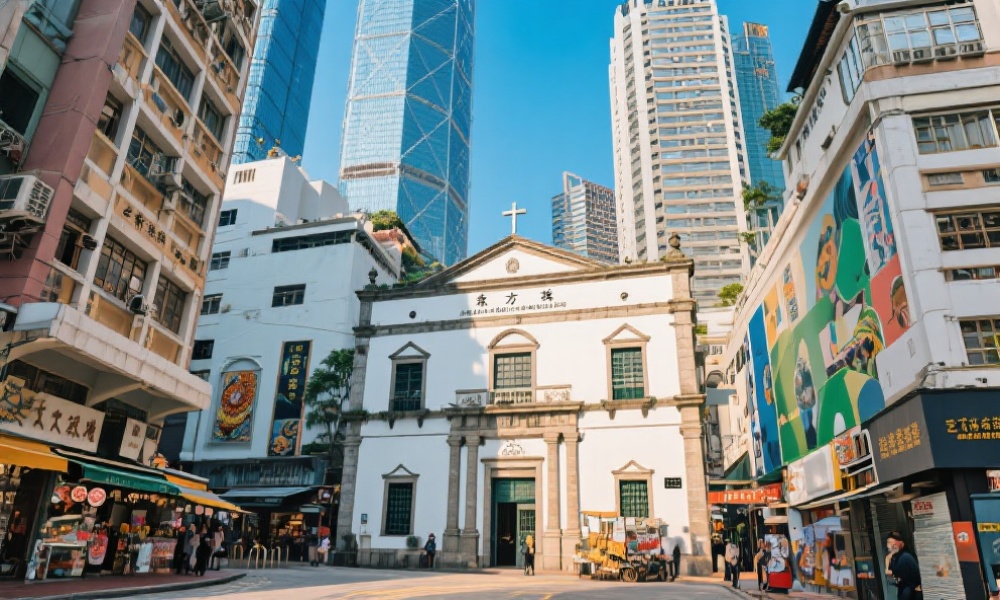
Hong Kong, the international metropolis known as the "Pearl of the Orient," possesses charm far beyond its dazzling Victoria Harbour night view and its reputation as a shopping paradise. Hidden between skyscrapers and deep within bustling streets are rich historical sites, diverse art spaces, and intangible cultural heritage passed down through generations. A profound cultural and artistic journey will take you on a journey through time, allowing you to experience Hong Kong's unique cultural pulse.
Central and Sheung Wan: Historical Imprints and Creative Rebirth
A cultural journey through Hong Kong might begin in the heart of Hong Kong Island – Central and Sheung Wan. This area is a microcosm of colonial history and local culture, and a testing ground for the collision of tradition and modern creativity.
First, visit Man Mo Temple . Built in 1847, this declared monument is one of Hong Kong's oldest and most popular temples, dedicated to the deities of Man and Wu. Stepping inside, the rustic architecture, the giant, spiraling incense sticks, and the solemn atmosphere all speak to the spiritual sustenance and religious traditions of Hong Kong's early Chinese community. It is more than just a temple; it is a symbol of the cohesion of early Chinese society, witnessing Hong Kong's transformation from a fishing village to a commercial port.
Winding up Hollywood Road, you'll find many distinctive galleries and antique shops until you reach PMQ (Planetary Design Hub ). This was once Hong Kong's first Central School for Chinese students, later converted into police quarters, and has now been revitalized as a creative design hub. PMQ preserves the unique structure of the old buildings and introduces numerous local designer brands, craft workshops, and art exhibitions, serving as an incubator for Hong Kong's local creative industries. Strolling through the space, you can participate in hands-on workshops, purchase original design products, and experience the vitality that old buildings have brought to life in the modern era.
Not far away lies Tai Kwun , a significant cultural landmark in Hong Kong. As a former Central Police Station complex, Tai Kwun is one of Hong Kong's largest historical building revitalization projects, integrating three declared monuments (the former Central Police Station, the former Central Magistrates' Chambers, and Victoria Prison) with two newly built art galleries. Here, you can visit the old police station's cells and courtrooms to learn about Hong Kong's legal history; you can also enjoy world-class contemporary art exhibitions and performing arts, and even have a coffee on the renovated prison playground. Tai Kwun, with its unique narrative, perfectly blends colonial history, judicial changes, and contemporary art, offering a multi-dimensional cultural experience.
Kowloon: Urban Memory and Intangible Cultural Heritage Transmission
Spanning Victoria Harbour, the Kowloon Peninsula carries the urban memories and rich intangible cultural heritage of Hong Kong for the general public.
The Hong Kong Museum of History, located in Tsim Sha Tsui, is a must-see for understanding Hong Kong's past and present. Its permanent exhibition, "The Hong Kong Story," uses a grand narrative approach to systematically showcase Hong Kong's 400 million-year natural history and 6,000-year cultural evolution from multiple dimensions, including natural geography, prehistoric times, the Han Dynasty onwards, the Tang, Song, Yuan, Ming, and Qing Dynasties, the British colonial period, the Japanese occupation, and modern development. Through artifacts, models, and multimedia presentations, visitors can immerse themselves in the legendary journey of Hong Kong from a small fishing village to an international metropolis, gaining an understanding of its unique social structure and cultural heritage.
If time permits, consider visiting the Hong Kong Heritage Museum in Sha Tin. It's Hong Kong's largest comprehensive museum, particularly renowned for its exhibits on intangible cultural heritage. The museum houses the "Cantonese Opera Heritage Gallery," which provides an in-depth look at the artistic charm, roles, costumes, music, and historical development of Cantonese opera, a UNESCO Intangible Cultural Heritage representative work. In addition, there are permanent exhibitions showcasing Hong Kong's popular culture, traditional arts, and customs. Through displays of Cantonese opera costumes, props, singing styles, and other traditional handicrafts, visitors can more directly experience the vitality of Hong Kong's traditional culture.
In the streets and alleys of Kowloon, you can also find traces of intangible cultural heritage experiences. For example, in the Sham Shui Po area, many long-established shops still operate traditional handicrafts, such as paper crafts . These shops are not only sales points but also living spaces for cultural heritage preservation. You can stop and watch as the craftsmen skillfully use materials such as bamboo strips, colored paper, and silk to create lifelike dragons, lions, lanterns, and deity statues, experiencing the exquisite craftsmanship and dedication of this endangered traditional art.
West Kowloon Cultural District: A New Landmark for the Arts and a Vision for the Future
In recent years, the West Kowloon Cultural District , located on the West Kowloon reclamation area, has rapidly emerged as one of the most important new art and cultural landmarks in Hong Kong and even Asia. It brings together world-class museums, performing arts venues, and public art spaces, marking a new chapter in the development of Hong Kong's culture and arts.
M+ Museum is Asia's first global contemporary visual culture museum, encompassing 20th and 21st-century art, design and architecture, moving images, and Hong Kong's visual culture. Its unique curatorial concept and rich collection showcase Hong Kong's unique position in the global cultural context. M+ is not only a temple of art, but its architecture itself is also a work of art, perfectly complementing the magnificent view of Victoria Harbour.
Adjacent to M+, the Hong Kong Palace Museum showcases the precious collections of the Palace Museum from a fresh perspective and through innovative curatorial approaches. It serves not only as a window into traditional Chinese culture but also, through modern technology and an international vision, tells Chinese stories and promotes cultural exchange. Here, you can admire national treasures such as calligraphy, paintings, ceramics, and jade artifacts up close and experience the profound depth of Chinese civilization.
Furthermore, as the gateway to the West Kowloon Cultural District, the Xiqu Centre is dedicated to promoting and preserving traditional Chinese opera, especially Cantonese opera. Its unique architectural design is inspired by traditional lanterns, and its interior boasts state-of-the-art facilities and frequent, captivating opera performances. Even without attending a performance, a visit to the building itself and an understanding of Cantonese opera culture is a unique experience.
A cultural and artistic journey through Hong Kong is a dialogue about history, creativity, heritage, and the future. It guides us to slow down, delve into the streets and alleys, explore the marks etched by time, and experience the unique charm of this city as it blends diverse cultures.