
Chongqing locals eat according to the solar terms | My personal six-year list of seasonal specialties (not for tourists)
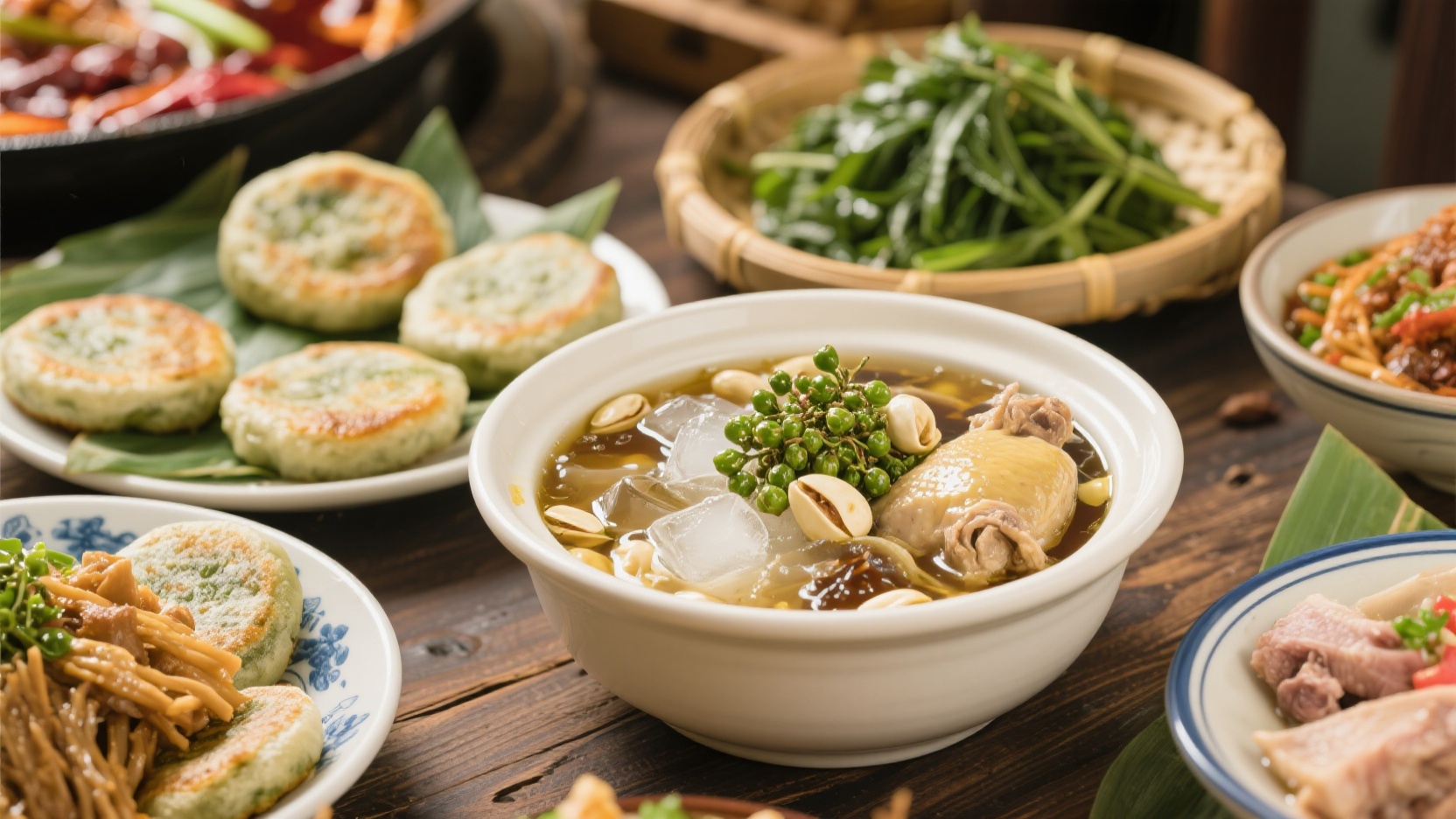
When looking for food in Chongqing, the easiest mistake isn't going to the wrong restaurant, but eating at the wrong time. For the first two years, I ate according to the review lists, and my local friends often laughed at me, saying, "You're eating food that tastes like it's from the refrigerator." Later, I followed the bamboo baskets of the market vendors and the seasonal stalls, and that's when I figured it out: most of the city's limited-time delicacies are only on display for about ten days; once they're gone, you'll have to come back next year.
This list is organized by season and only includes seasonal items that won't be available after this period; trendy restaurants are not recommended. Which restaurants you can eat at depends entirely on whether you visit Chongqing during the right season.
Spring - Qingming Vegetable Cakes and Toon Sprouts with Broad Beans: Targeted around ten days before and after Qingming Festival
Spring in Chongqing begins with the Qingming vegetables at the market. Qingming vegetables, scientifically known as Gnaphalium affine, are only at their tenderest between the time of Jingzhe (Awakening of Insects) and Qingming (Tomb-Sweeping Day). The leaves are hairy and have a grassy aroma when crushed. Locals blanch them, chop them, and mix them with glutinous rice flour. They then wrap them around diced cured pork, chopped pickled vegetables, and wild scallions, steam them fresh, and eat them immediately. While they are still hot, they break them open, allowing the cured pork fat to seep into the green skin. They are served with Lao Yin tea to cut through the richness.
When buying Qingming vegetable cakes, avoid the bright green, purely sweet version from tourist attractions that doesn't contain cured meat. A local auntie says, "Don't buy the ones without diced cured meat." After Qingming, the vegetables flower and become tough, with coarse fibers that are difficult to chew.
Before Grain Rain, another delightful treat is toon sprouts mixed with broad beans. Select the tender, purplish-red tips of the toon sprouts, blanch them, chop them, and mix them with freshly cooked, tender broad beans. Season only with salt, minced garlic, and chili oil. The pungent flavor of the toon sprouts clashes with the soft, powdery texture of the broad beans, creating a wild and refreshing taste of spring. After Grain Rain, the toon sprouts become woody and bitter, and locals avoid them.
Summer - Iced Jelly and Fresh Sichuan Pepper Fish: A bite of coolness followed by a bite of numbing sensation
In Chongqing, there are two must-eat dishes in summer: Bingfen (iced jelly) and Liangxia (cold shrimp). Stalls set up from May to September offer Bingfen, made by hand, with tiny air bubbles in the bowl and a slightly bouncy texture. Liangxia consists of tiny tails formed from rice flour batter that slide into brown sugar syrup. Locals are particular about how they eat it: the brown sugar syrup is so thick it clings to the spoon, with fermented rice wine and crushed ice added, but no fruit or taro balls; otherwise, it's considered an "amateur's bowl."
From the summer solstice to mid-July, Jiangjin green Sichuan peppercorns enter their harvest season. Fresh peppercorns, still glistening with dew, are fragrant and numbing, making them a perfect ingredient for cooking fish or mixing with chicken. Locals believe in keeping the peppercorns on the branch; they chew on a fresh peppercorn first, their lips tingling and throbbing, before adding a slice of fish for the perfect balance of tenderness and numbing aroma. After this period, only frozen peppercorns can be used, which taste bitter—a taste that connoisseurs can easily detect.
Autumn Rice Porridge and Ginkgo Stewed Chicken: Chongqing's Autumn Needs Moistening
Autumn in Chongqing is short, but the food is very "moistening". Around the time of White Dew, the market starts selling Yinmi – glutinous rice that has been steamed and then dried in the shade until it is translucent. Locals cook Yinmi porridge with brown sugar, eggs, and small pieces of lard, simmering it until the rice grains bloom but don't fall apart. A bowl of this late at night is soothing and comforting.
Autumn is the perfect time to eat dried glutinous rice because the summer heat and humidity make it too cloying to eat glutinous rice, and in winter, it takes a backseat to cured meats. Only in autumn, when the rice absorbs the dry air, does it become exceptionally fragrant when cooked. Some people add dried osmanthus flowers, a secret recipe they keep after the White Dew solar term.
Ginkgo stewed chicken is also a limited-time dish for September and October. Fresh ginkgo nuts ripen, and people often collect them in the old streets and alleys of Chongqing and around temples. The cores of the ginkgo nuts are removed, and only a small amount is eaten. The nut is then simmered in a clay pot with a year-old hen until the soup is clear, with only ginger slices added. This soup is perfect for moisturizing the lungs during the dry autumn season. Fresh ginkgo nuts will be gone in a while, and refrigerated ones don't have the same aroma.
Winter-Slaughtered Pig Soup and Pea Shoot and Crispy Pork Soup: Signals of Slaughtering the New Year Pig and Picking the Tender Tips
From the winter solstice to the twelfth lunar month, rural Chongqing enters the season for "slaughtering pigs for the New Year." The pig-slaughtering soup is made by stewing fresh pork, freshly collected pig blood, pig liver, pork intestines, and cabbage and radishes together on the same day. The rich, oily aroma and crisp, tender pig blood are something that frozen meat in the city can't replicate. Locals prefer to eat the "first cut of meat," and the pork intestines are cooked until crisp and tender, dipped in a spicy sauce for the most satisfying experience.
If you want to eat authentic pork stew, it's best to go to the village after the winter solstice and look for signs that say "freshly slaughtered". While you're at it, buy some freshly made sausages and cured meat, and hang them up to dry at home; that will keep you well-fed throughout the twelfth lunar month.
At the same time of year, pea shoots are at their plumpest and sweetest after the first frost. Pick the tender tips and cook them in a soup with crispy pork. After the soup boils, turn off the heat, then add the pea shoots and blanch for three seconds to maintain their bright green color and sweetness. Choose crispy pork with a good balance of lean and fat, and fry it fresh. This flavor is only suitable for late winter to early spring; after the beginning of spring, the pea shoots bolt and flower, and they become too old.
In Chongqing, seasonality is more important than brand name. This list doesn't include any restaurant names because the truly unique and delicious foods are often hidden in market stalls, village stoves, and in the bamboo baskets of old women.
Tips to avoid pitfalls: 1. Look for Qingming Festival rice cakes with diced cured pork; plain sweet ones are not recommended. 2. In summer, choose ice jelly with bubbles, and pair cold shrimp with brown sugar fermented rice; don't add fruit. 3. Fresh green peppercorn fish is only available from late June to mid-July; ask "Is it fresh green peppercorn?" before ordering. 4. Ginkgo nuts must have the core removed and should be eaten in small quantities. 5. It's best to visit the village after the winter solstice to enjoy pork soup and buy freshly made sausages while you're there.
Eating according to the seasons is the right way to experience a city.