
Tracing the Flavors of Chongqing | A Guide to Spicy Food in the Mountain City: An Authentic Culinary Journey You Can't Miss
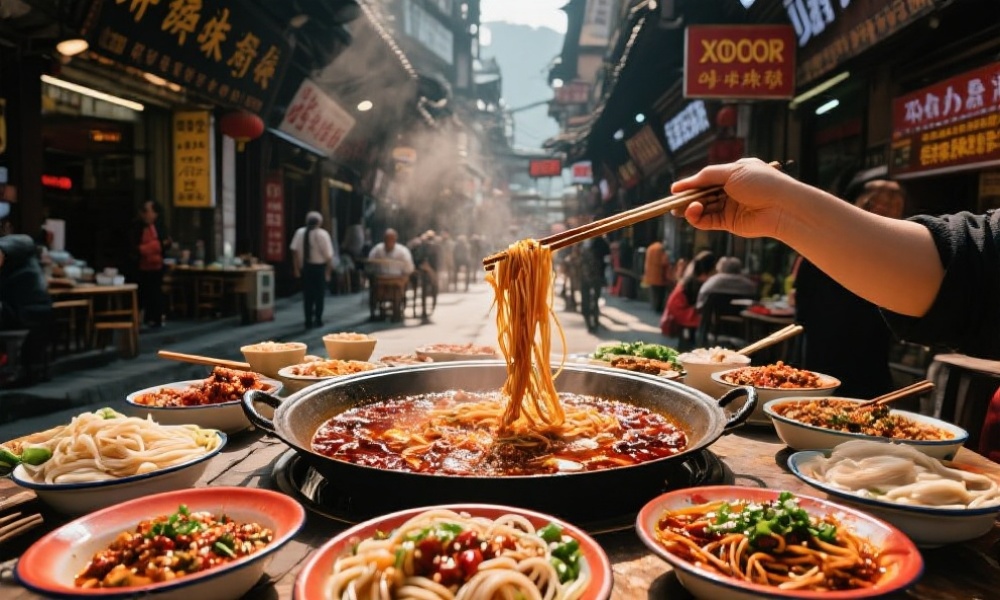
Chongqing, a city renowned for its unique mountainous terrain and fiery, spicy flavors, boasts a culinary culture deeply rooted in its daily life. Its distinctive flavors and rich layers of taste attract countless food lovers. For first-time visitors or those seeking deeper exploration, understanding and tasting Chongqing's distinctive cuisine is an indispensable part of experiencing the city's essence.
Must-try signature dishes list
Chongqing cuisine is centered around the characteristics of "numbing, spicy, fresh, and fragrant". The following are some representative dishes that together form the unique flavor profile of this mountain city.
- Chongqing hot pot: As the soul of Chongqing cuisine, its essence lies in the rich and balanced spiciness of the beef tallow broth. Authentic hot pots typically use a nine-compartment grid, allowing for separate cooking of various ingredients without mixing flavors. Must-order dishes include fresh tripe, duck intestines, beef aorta, and gizzard lobes, requiring the "seven dips and eight lifts" cooking technique to maintain their optimal texture. Its flavor is characterized by a robust spiciness and a lingering aftertaste, offering a direct way to experience Chongqing's culinary culture.
- Chongqing noodles: In the early morning or at noon, a steaming bowl of Chongqing noodles is the hallmark of Chongqing locals' taste buds. It doesn't refer to a specific type of noodle, but rather to plain noodles without toppings; its soul lies in the richness and precise proportions of the seasonings. Spicy and savory, the noodles are chewy and flavorful, topped with crushed peanuts, pickled mustard greens, and chopped scallions, creating a complex and layered taste. Common varieties include pea and minced meat noodles (peas and fried sauce) and beef noodles, making them an excellent choice for experiencing the vibrant local breakfast culture.
- Hot and sour rice noodles: Made primarily from sweet potato noodles, these noodles have a chewy and smooth texture. The broth is sour and spicy, making it very appetizing. It's often served with crispy pork, crushed peanuts, bean sprouts, and cilantro. The clever combination of sour and spicy flavors, along with the chewy texture of the noodles, makes it a popular street food, especially suitable for stimulating the appetite in hot and humid weather.
- Mao Xue Wang: A spicy and flavorful dish from the Chongqing region, it uses duck blood as the main ingredient, supplemented with tripe, luncheon meat, bean sprouts, and beef aorta, and is cooked in a red oil made with beef tallow, chili peppers, and Sichuan peppercorns. Its characteristics include a rich variety of ingredients, a strong flavor, and a spicy and fragrant taste, making it a representative dish for experiencing the "domineering" flavors of Chongqing.
- Spicy Chicken: Unlike other dishes that are soaked in broth, spicy chicken is known for its dry, fragrant, and numbing spiciness. Small pieces of chicken are deep-fried and then stir-fried with a large amount of dried chilies and Sichuan peppercorns, resulting in crispy on the outside and tender on the inside chicken with a deep, numbing spiciness. The unique eating experience is the pleasure of searching for the chicken pieces among the pile of chilies.
- Spring Water Chicken: Originating in Nanshan, it is characterized by freshly slaughtered chickens and cooking in spring water. It is usually served "one chicken, three ways," including spicy chicken pieces, chicken blood curd, and chicken offal. Its flavor is between the intensity of hot pot and the refreshing taste of home-style dishes. The chicken is tender, and the broth is spicy and flavorful, offering another dimension to tasting Chongqing local cuisine.
- Douhua Rice: A seemingly simple yet rich and flavorful home-style dish. The essence of this dish lies in the dipping sauce, made with a blend of chili oil, Sichuan peppercorn oil, minced garlic, chopped green onions, soy sauce, and other seasonings. Diners can customize the sauce to their liking, giving the delicate douhua and rice a spicy and savory flavor.
Local favorites for food
To truly experience the essence of Chongqing's cuisine, one should venture beyond well-known commercial districts and explore local residential areas and old streets. These places often hide time-honored shops passed down through generations, embodying the most authentic local atmosphere.
- Alleys around residential areas: For example, the Jiaochangkou Night Market near Jiefangbei in Yuzhong District is popular with tourists, but there are still locals who frequent the night market stalls; in the back streets and alleys of Lianglukou, Daping, Guanyinqiao and other areas, you can often find small noodle shops, skewers or old hot pot restaurants with inconspicuous storefronts but amazing taste.
- Keyuan Road and Zhigang Avenue: These two roads are synonymous with hot pot in the hearts of Chongqing locals, and are home to many time-honored hot pot restaurants and distinctive local eateries. The restaurants here tend to focus on the freshness of ingredients and the flavor of the broth, rather than flashy decor.
- Ciqikou Ancient Town: Although it's a popular tourist destination, there are still some local delicacies worth trying inside and around the town, such as Chen's twisted dough sticks and chicken giblets. However, be aware that the truly authentic local food is often hidden deep within the ancient town or on its outskirts.
- Danzishi Old Street: A newly emerging cultural district in recent years, it retains the old Chongqing style while also introducing some distinctive restaurants. Here you can find some restaurants that combine ambiance with authentic local flavors.
The secret to finding these places lies in observation: shops with long queues of locals, simple and unpretentious storefronts, and a focus on only a few signature dishes are often a guarantee of authentic and delicious food.
Tips for avoiding overpriced and overpriced shops and tourist attractions
With the development of tourism, Chongqing has seen a surge in trendy restaurants and eateries near scenic spots, but not all of them are worth recommending. Here are some tips to avoid these pitfalls:
- Beware of over-marketing: Some trendy restaurants focus on ambiance and social media promotion while neglecting the quality and taste of their food. These restaurants often have inflated prices, mediocre taste, long queues, and poor value for money. It's recommended to consult local food forums or non-commercial recommendations before making a purchase, rather than relying solely on "check-in photos" on social media.
- Restaurants located away from the core areas of popular tourist attractions such as Hongyadong, Jiefangbei Pedestrian Street, and Ciqikou Ancient Town often suffer from overpriced and "tourist-oriented" flavors. Usually, just walking one or two blocks away will reveal more reasonably priced and authentic options.
- Observe the proportion of local diners: If a restaurant has few local diners and is mostly frequented by tourists, its authenticity may be questionable. Locals are the best "living advertisements"; their discerning palates and price sensitivity are important indicators of a restaurant's quality.
- Menu and pricing transparency: Reputable and authentic restaurants typically have clear and transparent menus and prices. Be wary of establishments with vague menus and ambiguous pricing.
- Focus on signature dishes: Some restaurants have a wide variety of dishes on their menus, but often only one or two are truly their specialties. Choosing established restaurants that specialize in a few signature dishes and are famous for them will greatly reduce the chances of having a bad experience.
In Chongqing, food is not only a treat for the taste buds, but also a microcosm of the city's unique culture and philosophy of life. Slow down, use your taste buds to savor the spicy and savory flavors of this mountain city, and experience the most authentic local life.