
A trip to Chongqing's arts and culture scene: Instagrammable spots or exploring old factories?
Many readers planning a cultural and artistic trip to Chongqing ask the same question: Are those "must-see" spots repeatedly mentioned in travel guides really more worthwhile than lesser-known places? And when time is limited, where should you go first? This question deserves a serious answer because Chongqing's art spaces are scattered across the country. Traveling from Jiangbei to Nan'an and then to the University Town can easily take half a day. Without careful planning, you might easily find yourself queuing for two hours at a popular photo spot for only five minutes, or spending an hour only to discover it's closed for the day. Below are seven comparisons, pitting what "most travel guides will tell you" against what "it actually is," allowing you to make your own judgment.
Chongqing Art Museum vs. Chinese Contemporary Art Museum
Most travel guides will tell you that the Chongqing Art Museum, located next to Jiefangbei, has a beautiful building and frequently changing exhibitions, making it a must-visit indoor art landmark in Chongqing. However, its space is rather small, and the experience can be diminished by crowds during holidays, with the quality of temporary exhibitions varying. If you only have two hours in Yuzhong District, it's definitely a safe bet. But if you're willing to spend an extra twenty minutes taking the light rail to Yubei, the Chinese Contemporary Art Museum houses many important works of contemporary art from Southwest China. Reservations are required by phone or WeChat, and it's quieter and less crowded, allowing for a more leisurely viewing experience. My assessment is: if you want convenience, go to the Chongqing Art Museum; if you want to see a few memorable paintings, go to the Chinese Contemporary Art Museum.
Eling No. 2 Factory vs. the former Chongqing No. 1 Printing Factory
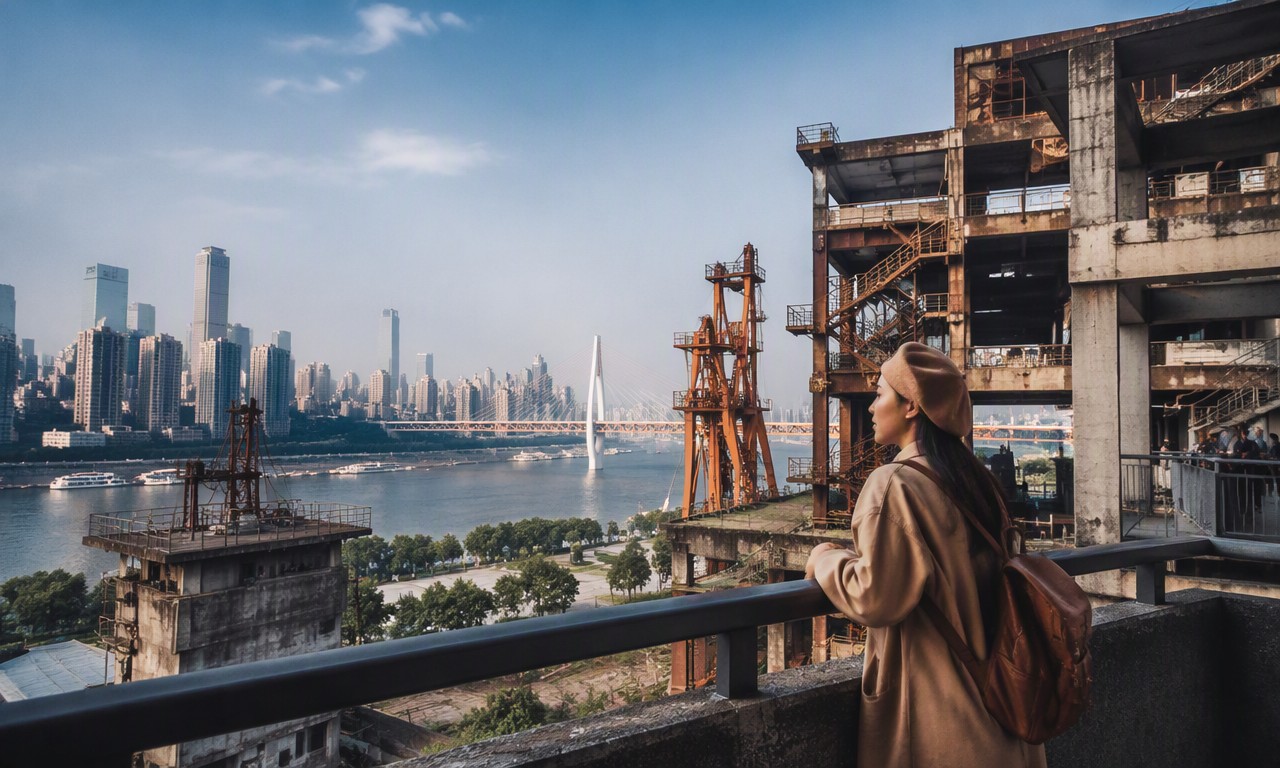
Most travel guides will tell you that Eling No. 2 Factory is a must-visit for artsy photo opportunities, a filming location for the movie "I Belonged to You," and boasts great views from its rooftop. However, the factory is actually packed with photographers on weekends, and some rooftop areas and activities require separate fees. It feels very commercialized; it's more like a photo studio than a cultural and creative park. The former Chongqing Printing Factory No. 1, located on Pipashan Main Street, retains its old factory structure and river views. It's almost deserted, and you can hear your own footsteps as you walk in. It's perfect for daydreaming, sketching, and photographing the architecture. However, there are almost no restaurants at Factory No. 1, so you need to bring your own water. If you're short on time, just visit Factory No. 2; if you want to avoid the crowds, choose Factory No. 1.
Sichuan Fine Arts Institute Huangjueping Graffiti Street vs. 501 Art Base
Most travel guides will tell you that Huangjueping Graffiti Street is colorful, photogenic, and the most street art-filled spot in Chongqing. However, the graffiti street is right next to the road with heavy traffic, the graffiti is weathered and faded, and many tourists have added their own graffiti, making it look rather messy. Furthermore, the Sichuan Fine Arts Institute's Huangjueping campus now restricts entry to the teaching areas; you can only explore the outer perimeter. On the other hand, the nearby 501 Art Base, converted from an old warehouse, has artist studios and several small exhibition halls on the ground floor. If you're lucky, you can witness live artwork creation, both indoors and outdoors, offering more content than the graffiti street. My suggestion: take a couple of photos at the graffiti street and leave, dedicating your time to 501.
Three Gorges Museum vs Chongqing Industrial Museum
Most travel guides will tell you that the Three Gorges Museum is a must-visit for anyone wanting to understand Chongqing's history—it's free, famous, and has a comprehensive collection. However, the Three Gorges Museum often has long queues during holidays, and the exhibition layout is rather traditional, making it more suitable for first-time visitors to Chongqing who want a systematic understanding of the region's history. The Chongqing Industrial Museum, located in Dadukou District and situated on the former site of Chongqing Iron and Steel Group, features old factory buildings, locomotives, and blast furnaces. Its spacious outdoor area is less crowded and offers great photo opportunities. It tells the story of Chongqing as an industrial city, offering a more concrete perspective than conventional historical narratives. If you're interested in steel, railways, and old factories, or if you don't want to queue, the Industrial Museum is a more comfortable choice. If you only have half a day, decide whether you prefer a general history or an industrial history.
Chongqing Grand Theatre vs. Shilou Theatre Space
Most travel guides will tell you that the Chongqing Grand Theatre, with its ship-like shape and beautiful night view, is a cultural landmark of Chongqing. However, tickets for performances at the Grand Theatre are actually quite expensive, popular shows require tickets to be purchased well in advance, and the large venue can feel discontinuous for those sitting in the back rows. It's more suitable for audiences who are specifically going to see a particular show. The Shi Lou Theatre Space, located in Yuzhong District, stages original local plays and experimental dramas. Tickets are priced at a few dozen yuan per person, and the small theatre offers an intimate atmosphere where you can clearly see the actors' expressions and even their breathing. For those who want to understand Chongqing's local theatre scene, have a limited budget, and don't want to settle for big-budget productions, Shi Lou's schedule is a good option. The two venues don't conflict, but if you only have one night, I would recommend Shi Lou.
Beicang Cultural and Creative Street vs. Jinshan E-Cool
Most travel guides will tell you that Beicang, located near Guanyinqiao, has many cafes and small shops, making it a model of urban renewal. However, Beicang has actually become a hub for chain brands, diluting its artistic atmosphere. On weekends, it's packed with people taking photos, and the space is crowded. Jinshan E-Cool, next to IKEA, is a converted old factory building with independent bookstores, galleries, and design studios, both indoors and outdoors, making it accessible even in bad weather. It feels more like a growing art community than a commercial district. If it's raining or you want to shop quietly, Jinshan E-Cool is clearly more suitable; if you just want to grab a drink and check out the city center, Beicang can also satisfy your needs, but don't expect too much.
Daijia Lane Cliff Trail vs. the Former Site of the French Naval Barracks in Xiahaoli
Most travel guides will tell you that Daijia Lane offers river views and is close to Hongyadong, making it a good choice to avoid crowds. However, since commercial development began, the steps of Daijia Lane are now filled with cafes with outdoor seating, making it difficult to find a quiet spot to enjoy the river view, and it gets quite crowded during peak season. The former French naval barracks in Xiahaoli has recently been restored and reopened, featuring small exhibitions and cafes. The architecture itself has a historical feel, and it's less crowded, making it suitable for taking photos. There are both indoor and outdoor areas. It's not far from Longmenhao Old Street, but much quieter. My assessment: If you want to visit Hongyadong along the way, go to Daijia Lane; if you specifically want to see old buildings and historical exhibits, go to Xiahaoli.