
Taiyuan Seasonal Limited Edition | Blogger's Personal Review: A Non-Tourist Food List I Only Dare to Write After Following the Twenty-Four Solar Terms Three Times
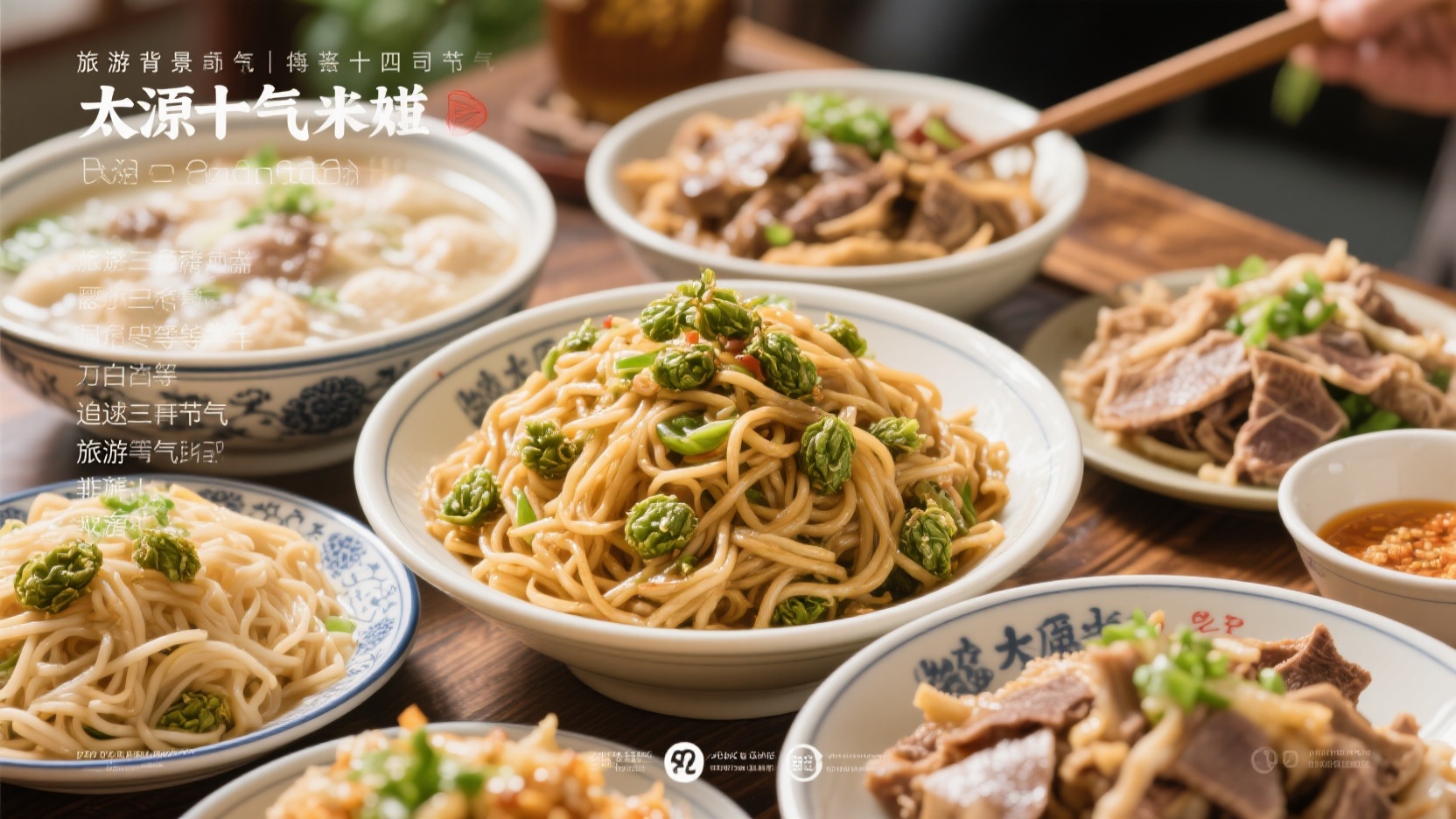
After observing the changing seasons in Taiyuan three times, I discovered that the braised pork and sweet and sour meatballs that tourists often order are actually available year-round. What truly makes locals choose their meals based on the seasons are a few seasonal dishes that are just not quite right outside of specific solar terms.
This time, I won't write about time-honored brands, but only about the Taiyuan flavors that I've personally tried and that you have to wait a year for after the season is over, from Qingming Festival to Minor Cold.
From Qingming to Guyu: Elm seed dumplings mixed with toon sprouts in noodles, all for the tenderest bite from the treetops.
Elm seeds are at their plumpest around the time of Qingming Festival, but begin to dry out and become tough after a few days. The old elm trees in the suburbs of Taiyuan and on the western slopes are the focus of attention during this season. Locals wash the freshly picked elm seeds, coat them with a thin layer of cornmeal and wheat flour, and steam them into a thin paste. After steaming, while still hot, they are mixed with minced garlic, chili oil, and a small spoonful of aged vinegar, resulting in a sweet and slightly wheaty flavor. A tip for ordering: If the restaurant uses frozen elm seeds or green beans instead, the texture will be too sticky and wheaty. Make sure to ask if the elm seeds are fresh that day.
Toona sinensis is another crop that must be harvested early. The buds are most tender before Grain Rain (a solar term in Taiyuan), after which the fibers coarse and the aroma weakens. In Taiyuan, people often blanch them quickly in boiling water, then chop them and mix them with hand-pulled noodles or tofu, finally drizzling a spoonful of hot oil to release the aroma. Locally, it's said that "no Toona sinensis without vinegar," adding a touch of local aged vinegar to bring out its wild flavor. Comparing the first and second harvests of Toona sinensis in a bowl, the coarser texture is quite noticeable.
From the summer solstice to the hottest days of summer: Jade leaves dipped in chili oil and cold buckwheat sausage – hardcore ways to beat the heat.
"Zhanpianzi" is a summer vegetable-wrapped pasta game popular in Taiyuan, with corn leaves being the most suitable. These leaves are at their thickest between the summer solstice and the hottest period of summer, becoming tough afterward. Corn leaves or long beans are coated in batter, blanched in boiling water, and then dipped in garlic vinegar or tomato sauce. Locals emphasize that the batter must be stirred until it can cling to the leaves, the water in the pot must be boiling vigorously, and the leaves must be removed as soon as they change color; this way, the batter won't break and the vegetables/meat will remain crisp. The first bite is eaten without dipping sauce, savoring the aroma of the batter and the juice from the leaves.
Buckwheat sausage isn't actually sausage; it's more like buckwheat jelly. In the sweltering summer heat, Taiyuan locals enjoy cold dishes. Steamed sausage is cooled, then sliced or cut into strips, and topped with a garlic and vinegar sauce, cucumber shreds, and chili oil—the garlic flavor is so strong it's almost pungent. It's common to see people standing and eating it from small bowls at street stalls, followed by a bowl of mung bean soup. Avoid the sweet and spicy sauce style found in shopping malls; that's completely different from Taiyuan's signature sour, spicy, and garlicky flavor.
From White Dew to Frost's Descent: The market opens with bounty berries and Qingxu grapes; autumn tonics are introduced according to the solar terms.
In Taiyuan, "Tou Tou" (a type of soup) is a dish that is very particular about its seasonal availability. Traditional halal restaurants in Taiyuan only start displaying the sign "Tou Tou Available" on the day of the White Dew solar term and continue to serve it until around the beginning of spring. After the White Dew, the weather turns cooler, and a bowl of mutton, yam, lotus root, astragalus, and rice wine lees is neither too hot nor too greasy. Locals believe that eating it at this time is the best way to replenish the body's nutrients. "Going for Tou Tou" around six in the morning is a ritual for old Taiyuan residents. It's served with one or two baked flatbreads and pickled chives. First, you sip the broth from the rim of the bowl, then don't stir it all at once.
Qingxu grapes are a gift from the mountains and fields between the White Dew and Frost's Descent solar terms, with Muscat and Longan grapes currently in season. Pick them fresh from Qingxu's vineyards; the grapes have thin skins, are juicy, and have a natural bloom. Locals will advise you not to just choose the darkest-colored ones; those with intact bloom and loosely packed bunches are sweeter. The grapes go out of season very quickly; after Frost's Descent, only cold-stored grapes remain, and their aroma will be much weaker.
From the Winter Solstice to the Minor Cold: Lamb Offal Stew and Yellow Millet Cake – A Battle of Heat During the Coldest Days
Lamb offal soup can be found year-round in Taiyuan, but it's most delicious from the Winter Solstice to the Lesser Cold. Lamb, tripe, blood, and vermicelli are blanched in a rich broth, sprinkled with chili and cilantro, and then flatbread is torn into the broth and soaked. The colder the weather, the steam rises from the soup pots at the old street-side shops. Locals believe in first sipping the hot soup from the rim of the bowl, without stirring, waiting for the aroma of the vermicelli and offal to slowly rise to the surface. Refills of broth are free, but flatbread should be soaked one piece at a time, not all at once.
Yellow millet oil cake is a fried cake eaten in the twelfth lunar month in Taiyuan and Jinzhong areas. Fermented yellow millet flour is wrapped around jujube paste or red bean paste and deep-fried until small bubbles appear on the surface. Only the low temperatures of winter can achieve the desired crispy exterior and chewy interior; it tends to harden in summer. It's eaten hot, dipped in fine white sugar, and served with a bowl of millet porridge to cut through the richness. Even if you find this in restaurants outside of the season, it's often reheated, resulting in a significantly inferior taste.
Blogger's Summary and Tips for Avoiding Pitfalls
The common thread among these eight items is clear: once the season ends, the ingredients change, and the locals disperse. Asking "Is this fresh today?" before ordering is more effective than looking at the menu. "Toad" (a type of herb) is only available from White Dew to the Beginning of Spring, and most established shops sell out by 9 or 10 am, so going in the afternoon will likely result in disappointment. Wild mountain produce like elm seeds, first-harvest toon leaves, and corn leaves are easily replaced by frozen goods, so ask about that when ordering. Most seasonal shops charge only a few dozen yuan per person, and eating standing up on the street is often more enjoyable.
Eating according to the seasons is the right way to experience a city.