
Five days in Shenyang without getting tired: A slow-paced travel itinerary for seniors, tested and proven by parents, along with a list of pitfalls to avoid (Autumn Edition)
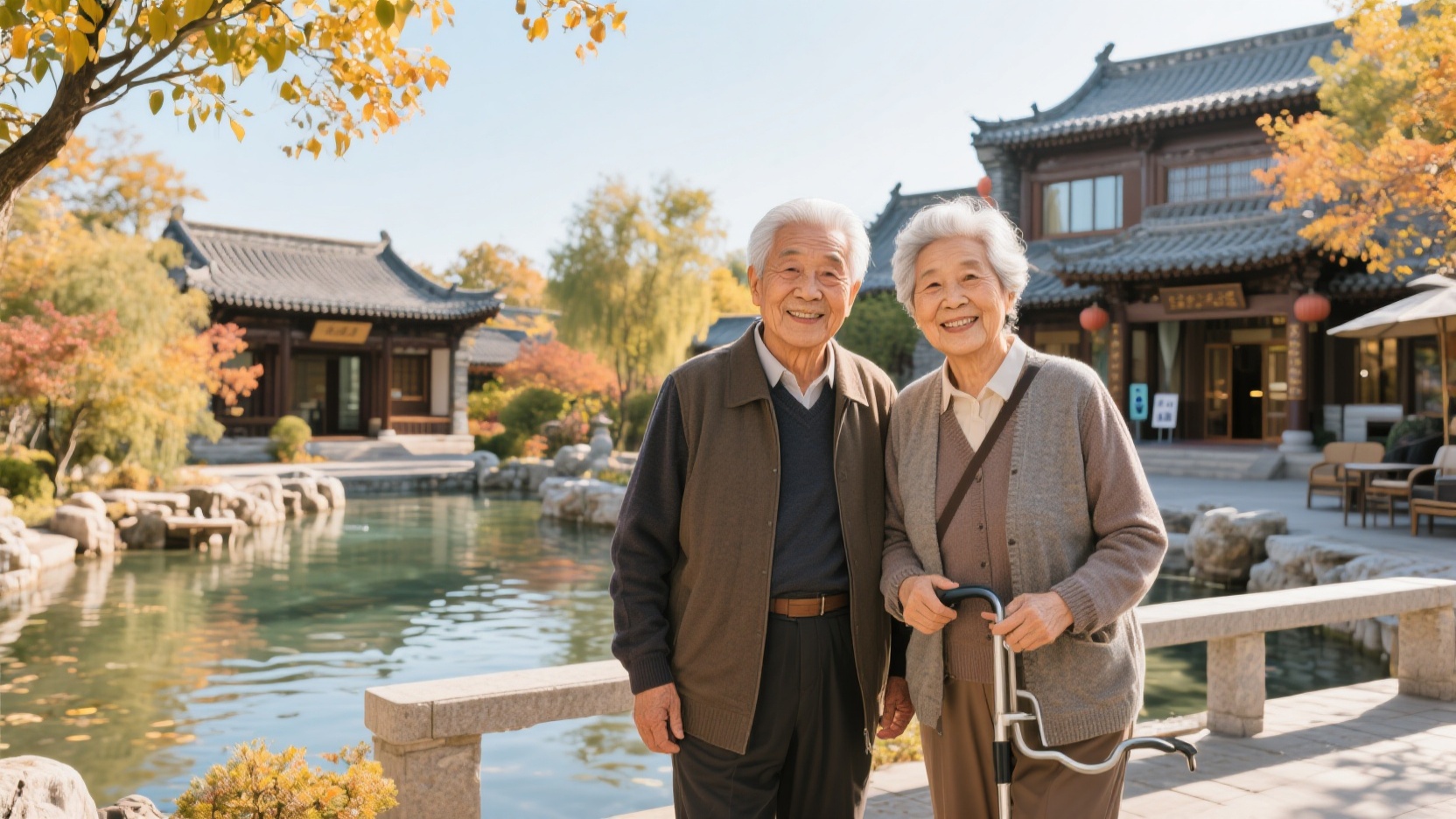
Last autumn, I took my parents, both in their seventies, to Shenyang and tried three different routes. The first two times, the walking was too long, the old buildings had no elevators, and the restrooms were hard to find, leaving my parents exhausted and speechless. The third time, I cut the pace in half, only visiting one or two key attractions each day, and then taking a two-hour nap at the hotel after lunch. This allowed me to thoroughly explore Zhongjie Street, the Imperial Palace, Beiling Park, Xita Pagoda, and the hot springs. This post is specifically for those traveling with parents or senior citizens, focusing on a slow, comfortable trip without rushing through attractions.
I. Accommodation and Location Selection Logic: First look at hospitals, then elevators.
When traveling with my parents to Shenyang, I prioritize mid-range chain hotels near Zhongjie or Taiyuan Street. Before booking, I always confirm three things: whether the elevator goes directly to the guest room floor, whether the bathroom has handrails, and whether there's a pharmacy or convenience store within a three-minute walk. Ideally, I'll measure the drive from the hotel to the nearest level-two or higher hospital on a map; I generally won't consider hotels exceeding fifteen minutes.
The old commercial district in Shenyang has a mix of old and new buildings. Some hotels facing the street have their lobbies on the second floor and no elevators, a problem I've encountered myself. Later, I switched to a newly built mid-range chain hotel, which made going out and returning to my room much easier each day. The room doesn't need to be big, but there should be enough space by the bed for my walking stick and thermos, and the aisle should be wide enough for two people to walk side by side.
II. Day 1-2: Forbidden City and Zhongjie Street – Sit if you can, hold on if you can.
On the first day, I only visited the Shenyang Imperial Palace. I entered as soon as it opened at 9:00 AM, when there were few people and the ground wasn't hot yet. The main tour route of the Imperial Palace is generally wheelchair accessible, and the wheelchair accessible passage is to the left of the ticket gate. Seniors can get free or discounted admission by simply swiping their ID cards. I rented an audio guide, and there were benches in front of each hall. The entire tour took about two hours, and it's about a ten-minute walk from the exit to Zhongjie Street.
The next morning, we visited the Zhang Family Mansion. The courtyards are flat and the layout is short, but the main building has many staircases, so those with mobility issues are advised to only explore the three courtyards and the first floor of the smaller building. After lunch, we returned to the hotel for a two-hour rest, and then went to Zhongjie Pedestrian Street after 4 PM. Zhongjie is lively but not crowded in the evening, with plenty of seating. Public restrooms are mostly located on the second floor or higher in shopping malls; I would ask in advance about the location of the accessible restrooms on the first floor. For dinner, we chose a time-honored dumpling restaurant or home-style dishes, costing tens to hundreds of yuan per person. We could request in advance that the food be less oily, less salty, and softer.
Day 3: Choose either the ancient town or the hot springs; don't try to do both.
On this day, let your parents choose one of two options based on their physical condition. If they want to explore the old streets, go to the antique-style town near Qipanshan or the Guandong Film and Television City. The roads are mainly made of bricks and stones, so it is recommended to wear non-slip shoes and walk on the main roads in the middle, avoiding the alleys. If they want to completely relax, go to a hot spring. Choose one with an indoor hot spring pool and a rest hall. It is most important that the changing area is non-slip and has benches and handrails.
Elderly individuals should not soak in the hot springs for more than 15 minutes at a time. After exiting the water, sit down and drink warm water; avoid standing and chatting. Only one main activity should be scheduled for the day, and guests should return to the hotel before 3 PM for a midday rest or to lie down and elevate their legs. The hot spring area is approximately 40 minutes to an hour's drive from the city center; it is recommended to hire a car or take a taxi to avoid prolonged standing during public transport transfers. Check in advance the distance between the hot spring area and a level-two or higher hospital; if the distance exceeds 40 minutes, bring your blood pressure medication and nitroglycerin tablets. No evening return trips are planned.
IV. Days 4-5: Beiling and Xita, with "eating at a leisurely pace" as the core experience.
On the fourth day, we only visited Beiling Park. The main road is wide, with plenty of shade and restrooms. There are electric shuttle buses from the main gate to the main hall of the mausoleum; don't skimp on this, and keep your walking distance within 500 meters after entering. Inside Zhaoling, some steps can be bypassed by gentle slopes, but the paving stones are loose, so it's recommended to bring a walking stick or hold hands. We entered the park at 9:00 AM and left at 11:00 AM. For lunch, we ate Liaoning cuisine nearby, ordering the soft-fried version of the sweet and sour pork.
On the morning of the fifth day, I only visited the Xita area, leisurely finishing the day with delicious food. The ginseng chicken soup and rice sausage soup were suitable for the elderly; the soup was hot, soft, and not spicy. Some small shops had low seating or required shoes to be removed, so I chose shops with chairs with backrests and dry floors. After the meal, I bought a small amount of rice cakes and rice cakes, avoiding carrying heavy items. In the afternoon, I returned to the hotel for a nap, and in the evening, I took a walk along the old buildings of Zhongshan Road, sitting wherever I could. I returned to the hotel before dark to pack my luggage.
V. Blogger's Summary and Practical Tips: Taking it slow is not a compromise, but the right way to take your parents out.
When traveling with parents in Shenyang for five days and four nights, the most important things aren't the number of attractions visited, but rather whether they get a midday rest each day, how easy it is to find restrooms, and whether the roads are slip-resistant. It's recommended to mark three points on your phone's map before leaving each day: key attractions, the nearest public restroom, and the nearest hospital (level II or above). Avoid long-distance travel in the evenings. After returning to the hotel, soaking your feet in hot water and elevating your legs is more effective than a massage.
20-Item Packing Checklist for Seniors Traveling: 1. Original ID card and medical insurance card; 2. Commonly used medications in individual containers; 3. Blood pressure monitor; 4. Thermometer; 5. Face mask; 6. Disinfecting wipes; 7. Tissues and wet toilet paper; 8. Insulated water bottle; 9. Folding cane or hiking poles; 10. Two pairs of non-slip soft-soled shoes; 11. Light jacket and cardigan; 12. Knee pads; 13. Back support; 14. Disposable toilet seat cover; 15. Portable urinary bag or folding commode stool; 16. Night light; 17. Power bank and long data cable; 18. Umbrella and sun hat; 19. Soda crackers; 20. Contact card with name, blood type, medical history, and emergency contact person. Five Categories of Commonly Used Medications: Category 1: Antihypertensive drugs; Category 2: Hypoglycemic drugs; Category 3: Cardiovascular emergency drugs; Category 4: Gastrointestinal drugs; Category 5: External medications such as band-aids, iodine swabs, and diclofenac sodium ointment. Keep all medications in their original packaging and instructions for smoother security checks.