
These 7 hidden gem shops in Jinhua | A local favorite that I personally tested three times before revealing (not a popular spot + 3 things to avoid)
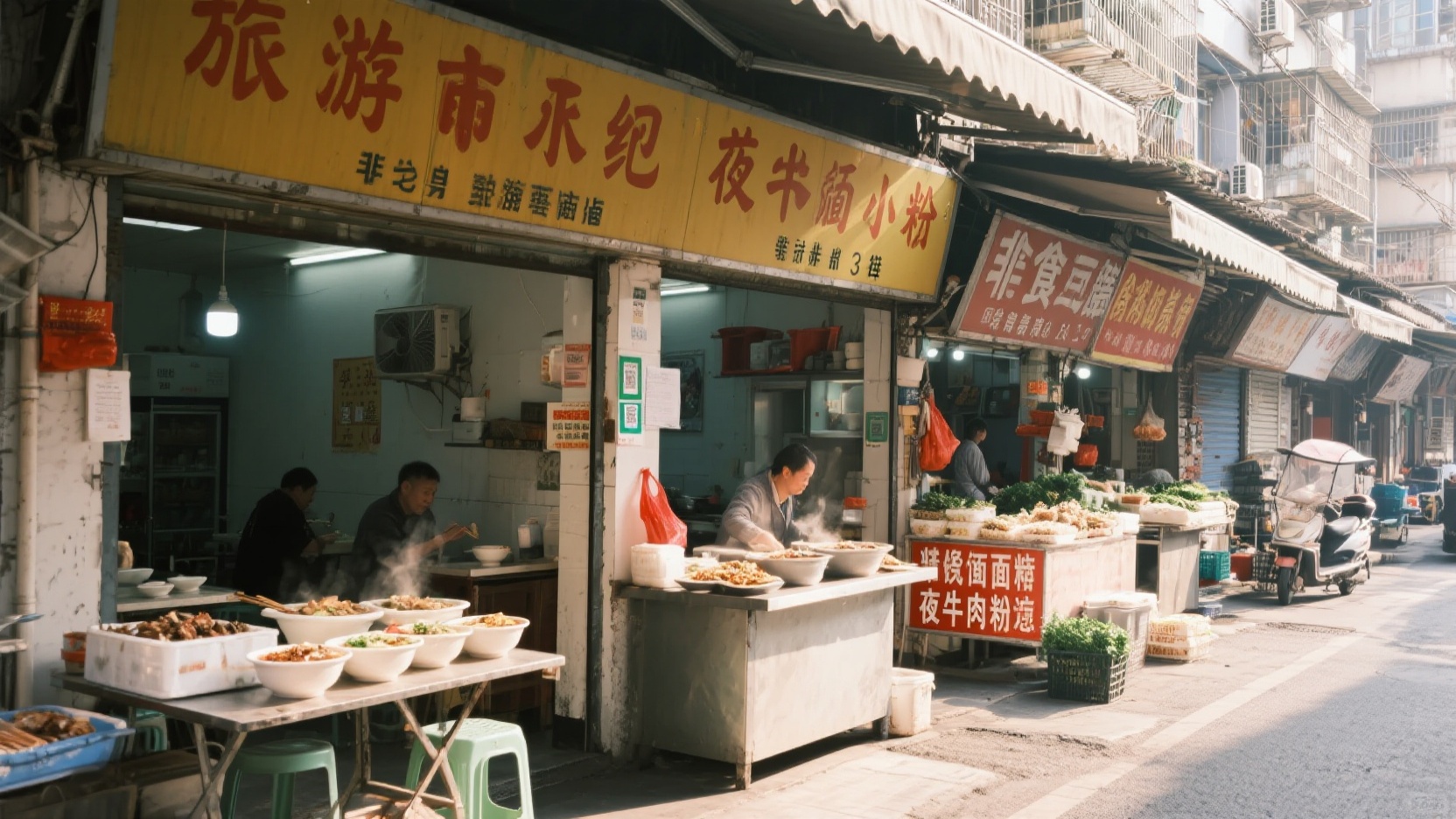
1. Outside the morning market: Two bowls of noodles are the secret code for the morning market in Jinhua.
On my first scouting trip, my friend dragged me to a narrow alley west of the old farmers' market, saying there was a Lanxi hand-pulled noodle stall that only operated in the morning. The stall had no storefront; plastic stools and small square tables were set up in front of the adjacent grocery store. The owner started kneading the dough at four in the morning, resulting in hand-pulled noodles of uneven thickness, coated with a thin film after cooking. This "imperfection" is precisely the texture that machine-made noodles can't achieve. What to order? I suggested simply ordering "Pork Kidney Noodles with a Side of Pork Cracklings." The topping is freshly stir-fried; the pork kidney is crisp and tender without any gamey taste, and the pork cracklings, soaked in the sauce, are even more fragrant than meat. Outside the nearby grocery store, someone often bakes small crispy cakes; buying a couple, breaking them up, and mixing them into the noodles is a local way of eating it.
The second Yongkang meat pie cart is located at the east end of the same morning market, and it only operates until 9:30 AM. The dough is made with fermented sourdough and baked on a griddle until both sides develop a tiger-skin pattern. The filling is preserved mustard greens and minced pork belly. The key is to wait for it to be freshly made and baked, not left to warm by the stove. When you bite into it, the meat juice will flow out. Paired with a bowl of seaweed and dried shrimp soup, it's a satisfying meal for just a few yuan per person. You can also buy some tender ginger from the nearby vegetable farmer to pickle and eat with porridge at home.
2. A midday stroll into an old neighborhood: The tangy aroma of stewed cabbage and tofu is something only locals understand.
On my second trip, my friend took me to an old residential area in Jiangbei. The shop was located in a ground-floor garage, with the kitchen and dining area separated only by a curtain. This place specializes in local Tangxi cuisine, and their signature dish is "Rotten Cabbage with Tofu." Even before it was served, the fermented, sour aroma wafted out. Tourists might frown at the smell on their first visit, but local gourmets were already scooping their rice. The "Rotten Cabbage" is pickled cabbage from the spring, fermented until soft and mushy, then rolled with tender tofu. It's sour, fresh, and slightly spicy—perfect with rice. How to order? Just ask for a small portion, along with a bowl of rice cooked over a wood fire, and ask the owner to add a spoonful of pork cracklings. There's a community fruit stand next door; buying a few local Buddha's Hand citrons or oranges is just right to cut through the richness.
If anyone in your group can't handle the taste, you can order an extra serving of meatballs or braised pork with dried bamboo shoots; the restaurant makes those authentically too. But I recommend at least trying the braised cabbage with tofu; it's the authentic taste of old Jinhua.
III. Evening to Late Night: The Relay Between Dongyang Womian and Qiaotou Beef Offal Rice Noodles
Dongyang Womian (Dongyang Noodles) is located on a one-way street near the West Bus Station, its storefront so small it's easy to miss. The owner is from Dongyang and has been running the business in Jinhua for over ten years. They don't do delivery or post menus. The soul of Womian lies in the "thick broth"—a rich, thick soup base made with sweet potato starch. The noodles are cooked until soft but not mushy, and the toppings include pork belly, eggs, mushrooms, and vegetables. When ordering, remember to say "extra toppings," and the owner will give you an extra spoonful of pork belly strips. There's an old-fashioned braised food shop nearby; buying some duck gizzards and dried tofu to eat with it is more substantial than any trendy set meal.
After 10 PM, a tricycle selling beef offal noodles will appear on the roadside north of Hepan Bridge, illuminated only by a small light. The beef offal is braised that afternoon, and the noodles are cooked in beef bone broth. The owner cuts the noodles to order the parts you point to. Be sure to order the beef blood and tendon; the beef blood is so tender you need a spoon to cut it, and the tendon is soft, chewy, and sticky. Add a spoonful of his homemade chili sauce to the soup—spicy but not overpowering. There's an auntie selling iced mung bean soup nearby; a cup after your meal will help cool you down.
IV. Seasonal Bonus: The Hidden Logic Between Pork Bone Soup and Summer Sweet Potatoes
Jinhua hot pot is famous, but what locals really crave late at night isn't the chain stores in shopping districts. The one I went to was a small food stall under a plastic awning at the entrance of an old residential area in Jiangnan, only open for dinner and late-night snacks. When the pork bone hot pot was served, the broth was still bubbling in the clay pot, and the pork bones were stewed until the meat easily fell off the bone. Don't just order the pork bones; add a side of tofu skin and chicken feet. The tofu skin, soaked in the broth, is even more sought after than the meat, and the chicken feet are cooked until tender and smooth. There's a small shop next door with local classic soft drinks in the freezer, perfect for cutting through the richness.
If you go in the summer, you can find elderly women selling sugar dumplings (tangyang) in the old alleys of Jiangbei in the afternoon. Tangyang is made by steaming rice flour, brown sugar, and mint, then cutting it into diamond-shaped pieces. It's cool and slightly sweet with a subtle herbal aroma. There's also tofu made with fermented rice, drizzled with a small spoonful of osmanthus syrup—it's incredibly smooth and pleasant. Both of these are seasonal; if you miss them, you'll have to wait until next year. There are often vendors selling lotus pods nearby; grab a couple—they're very sweet and refreshing.
Finally: The blogger summarizes and shares three tips for avoiding pitfalls.
None of these seven restaurants are on the must-eat list, and their environments are mostly simple, but they have in common: the ingredients are prepared daily, the owners remember the tastes of regular customers, and the flavors have a distinct "Jinhua identity." If I had to rank them, the two bowls of noodles in the early morning and the beef offal noodles late at night are the most worthwhile to make a special trip for; while the stewed cabbage and tofu is suitable for those who want to experience the taste of old Jinhua.
First rule to avoid these pitfalls: Don't go during peak meal times. These shops are often small with slow table turnover, resulting in long queues during lunch and dinner rushes, and the owners may sacrifice cooking time when busy. It's recommended to arrive half an hour or an hour later than usual. Second rule: Don't just order the signature dishes. For example, add pork cracklings to hand-pulled noodles, or add tofu skin and chicken feet to pork bone soup. The hidden menu items are key to avoiding disappointment. Third rule: Remember to bring cash. Some roadside stalls and older neighborhood shops only accept cash or are more convenient for the elderly, and mobile payments may not always be accepted.