
A leisurely trip to Xining with parents | Blogger's personal experience: 5-day, 4-night trip to avoid pitfalls for seniors: Elevator, toilet, and hospital all clearly marked.
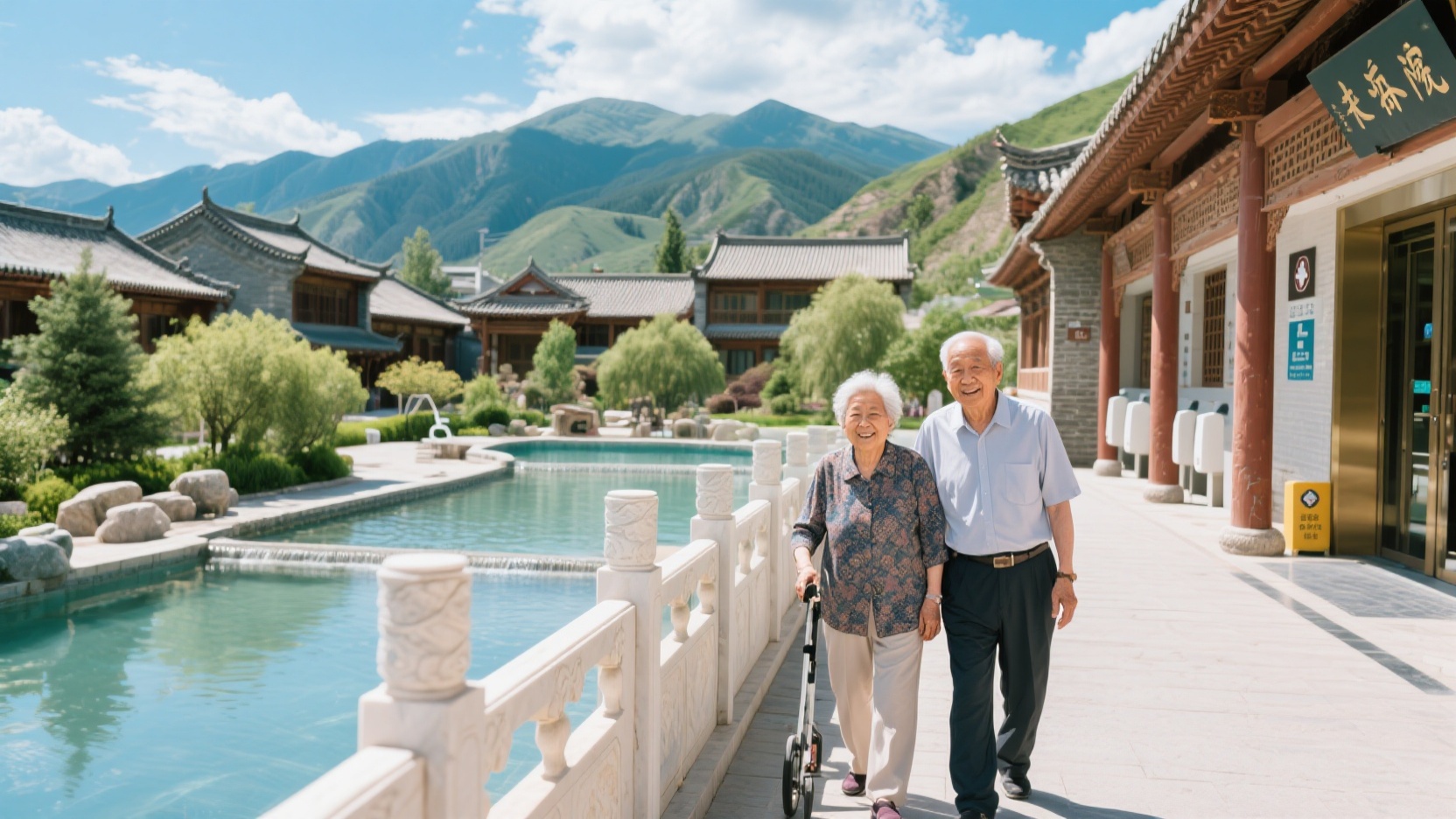
This was the third time I brought my parents to Xining, and I finally understood that "slow travel" isn't about having a loose itinerary, but about thoroughly scouting everything beforehand, including elevators, accessible pathways, toilet density, walking distances, and proximity to hospitals at level two or above. The first time I took my parents to Ta'er Monastery, I thought that visiting only one attraction would be slow, but the monastery had many steps, the toilets were far apart, and my mother experienced knee discomfort halfway through. This time, we redesigned the itinerary for 5 days and 4 nights, focusing on only one or two key attractions each day and forcing them to return to the hotel for a 2-hour nap.
The pitfalls I encountered: When traveling with parents in Xining, don't misunderstand "slow travel" as "walking less."
Xining city proper is at an altitude of approximately 2261 meters, generally friendly to senior citizens, but many scenic spots still have long slopes or steps inside. This time, I chose a mid-range chain hotel in the Chengxi District or Haihu New Area, making sure it had an elevator, the room was no more than 20 meters from the elevator, there was a wheelchair accessible on the first floor, and public restrooms on each floor, and it was about a 10-minute drive from a top-tier hospital in Chengxi District. When traveling with parents, the hotel's appeal wasn't its decor, but rather how easy it was to get up at night with minimal walking and how quickly they could be taken to the hospital in case of sudden illness.
Another pitfall is thinking about getting your money's worth at every attraction. The biggest taboo for senior travelers is the "check-off" mentality. I limit my daily sightseeing to half a day, and I must be back at the hotel by 1 PM, resting for two hours before deciding whether to go out again. This "forced blank space" is more important than any travel guide.
Day 1-2: Visit only one and a half floors of the museum, and only walk around the Eight Pagoda Square of Kumbum Monastery.
On Day 1, upon arrival, there will be no outdoor activities planned; instead, we will visit the Qinghai Provincial Museum. The museum has an elevator, restrooms on each floor, wheelchair rentals at the front desk, and good air conditioning, so seniors won't experience discomfort due to temperature differences or climbing stairs. The visit will take approximately 90 minutes, with walking limited to under 2000 steps. Afterwards, we will return directly to the hotel to rest.
On Day 2, visit Ta'er Monastery in the morning. Buy your sightseeing bus tickets in advance and take them directly to the Ruyi Eight Pagodas Square. Do not take your parents up the steps of the Great Golden Tile Hall; just walk around the Eight Pagodas Square and the outer area of the Small Golden Tile Hall. Restrooms inside Ta'er Monastery are not very frequent, so it's recommended to use the restroom at the visitor center and the sightseeing bus stop before entering the monastery. It's about a 10-minute drive from a level-two or higher hospital in Huangzhong District. If elderly relatives experience palpitations or dizziness, do not try to endure it; immediately return to the bus stop. Have lunch in Xining city. Return to the hotel before 1 PM for a two-hour rest. After 5 PM, take a walk in People's Park; the public restrooms in the park are close together, making them suitable for the elderly.
Day 3: Ancient Town or Hot Spring? I chose the hot spring for my parents. (See attached comparison chart for the two options.)
On the third day, only one destination is planned, offering two options. Option A: Dangar Ancient City: Approximately 1 hour from Xining. The old streets are mostly flat, but some cobblestone paths are uneven, requiring assistance for the elderly. Public restrooms are mainly located at the entrance visitor center; there are fewer inside. Wearing non-slip shoes is essential. It's about a 5-minute drive from Huangyuan County Second-Level Hospital. Option B: Hot Springs near Xining: Choose a hot spring resort with elevators, accessible changing rooms, and rest areas. The water temperature should be controlled between 38 and 40 degrees Celsius. Elderly individuals should not spend more than 20 minutes in the pool at a time, and after exiting, wrap themselves in a bathrobe and rest in the rest area for 20 minutes before rinsing off.
I ultimately chose the hot springs because my mother's knees are sensitive to cobblestone streets, and soaking in the hot springs would help relieve her joint stiffness. We departed at 10:00 AM and returned to the hotel before 2:00 PM for a two-hour lunch break. A word of caution: the hot spring floors are slippery, so you must bring your own non-slip slippers and avoid using public slippers. Blood pressure should be checked before and after soaking in the hot springs. Whether in an ancient town or at a hot spring, always check in advance whether there are accessible pathways and elevators; this is a basic requirement for senior citizens traveling in the area.
Days 4-5: Visit the Tibetan Culture Museum to see Thangka paintings; only one community park is included before returning home.
On Day 4, we visited the Qinghai Tibetan Culture Museum in the morning. The museum has indoor elevators, restrooms on each floor, and plenty of seating. Wheelchairs are available for rent, and the walking distance is approximately 2500 steps. We focused on the Thangka exhibition hall, avoiding stairs and displays that required prolonged looking up. We returned to the hotel for a two-hour lunch break. In the evening, we simply took a walk in the nearby community park to observe the stability of the elderly person's gait.
Day 5 doesn't include major tourist attractions. After breakfast, take your time packing and stop by the supermarket next to the hotel to buy some individually packaged biscuits and wet wipes. We'll drop you off at the station two hours in advance. We won't rush to get up early; breakfast will be at the hotel each day to ensure the elderly person has regular bowel movements. Xining has a large temperature difference between day and night, so bring a light down vest; it's more flexible than a thick coat.
Blogger's Summary: A 5-Day, 4-Night Itinerary for Seniors in Xining and a Quick Guide to Hospital Toilets
This 5-day, 4-night itinerary can be summarized as follows: Day 1: Indoor Museum; Day 2: Kumbum Monastery area plus People's Park; Day 3: Hot Springs or Ancient Town (choose one); Day 4: Tibetan Culture Museum plus Community Park; Day 5: Return Trip. Each day should include no more than two key locations, with walking distances limited to 2000-3000 steps. A 2-hour nap at the hotel is recommended each day. Accommodation should ideally be in mid-range chain hotels with elevators, wheelchair access, and restrooms on every floor. The hotel should be within a 10-15 minute drive of a level-two or higher hospital.
Special reminders: When elderly people first arrive in Xining, they should not take long showers, drink alcohol, or use excessively hot water. There is a large temperature difference between day and night, so bring a light down jacket. Use ride-hailing platforms to book taxis instead of hailing them on the street and walking long distances. If you experience mild dizziness, rest at the hotel first and do not rush to use oxygen or continue your trip.
20 items to pack for seniors when traveling and 5 categories of commonly used medicines to remind them.
The list includes 20 items: 1. ID card, senior citizen card, and medical insurance card; 2. Chronic disease medical record summary; 3. One week's worth of medicine; 4. Electronic blood pressure monitor; 5. Blood glucose meter and test strips; 6. Two pairs of non-slip soft-soled shoes; 7. Thin down vest; 8. Sun hat; 9. Folding cane or hiking poles; 10. Knee pads; 11. Thermos cup; 12. Individually packaged snacks; 13. Portable toilet seat cover; 14. Disposable underwear; 15. Folding washbasin; 16. Non-slip slippers; 17. Folding umbrella; 18. Acupoint patches or heat therapy patches; 19. Spare reading glasses; 20. Emergency contact card.
Five common medication categories to remember: Cardiovascular medications should be carried in their original packaging for the required number of days; hypoglycemic medications require a blood glucose meter; respiratory medications should be taken into account for temperature differences between day and night; gastrointestinal medications should be taken into account for traveler's diarrhea; and external medications include adhesive bandages, iodine swabs, and anti-slip patches. Do not mix any medications, keep the instructions, and ideally, clearly write the morning and evening usage instructions on the outside of the medicine box.