
Discover the Flavors of Xining | The Secrets of the Plateau: A Complete Guide to Authentic Local Cuisine
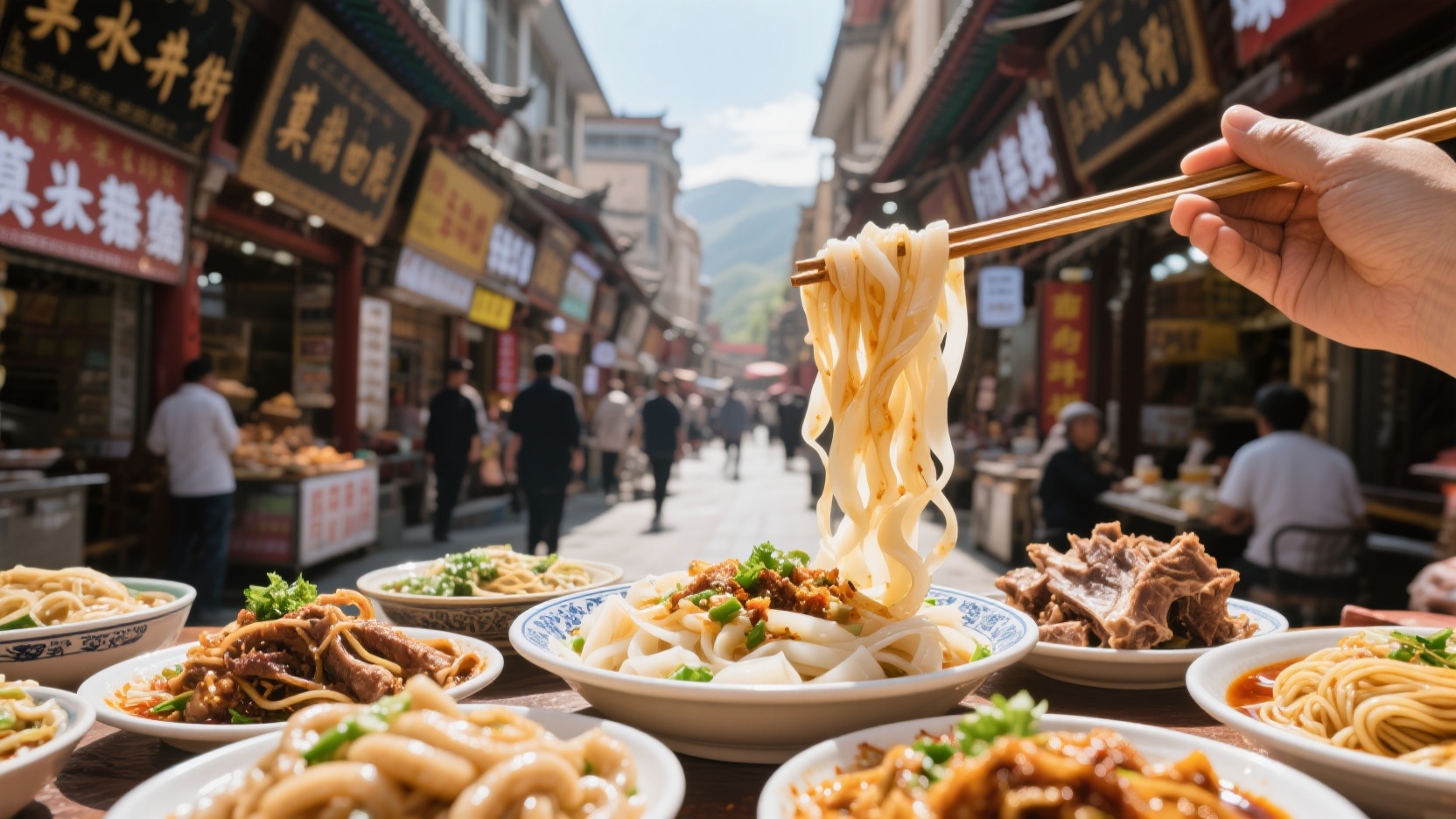
Xining, a city located on the eastern edge of the Qinghai-Tibet Plateau, is not only a gateway to the snowy plateau but also a culinary treasure trove where diverse cultures and unique flavors intertwine. Its cuisine is deeply influenced by the cultures of ethnic minorities such as the Hui and Tibetan, forming a distinctive Northwest halal flavor, mainly featuring beef and mutton, along with a rich variety of noodles and the mellow richness of dairy products.
Must-try signature dishes list
Liangpi: A classic street food in Xining, made from wheat flour or pea flour, with a chewy and smooth texture. It is usually served with a secret sauce, chili oil, minced garlic, vinegar, and shredded cucumber, making it a refreshing and appetizing summer treat.
Sweet fermented barley: A type of sweet food made from fermented barley or wheat, similar to glutinous rice wine. It has a soft and glutinous texture, with a light aroma of alcohol and a refreshing sweetness. It can be eaten hot or cold and is a popular dessert among locals.
Lamb intestine noodles: A specialty noodle dish of Xining, made primarily with lamb intestines, lamb blood, and noodles. The lamb intestines are thoroughly cleaned, becoming soft, tender, and flavorful; the lamb blood is fresh and juicy; the broth is rich and flavorful; and the noodles are chewy and springy. Served with chili oil and cilantro, it boasts a unique flavor and is highly nutritious.
Hand-pulled mutton: A representative dish of Qinghai cuisine, made with high-quality local Tan sheep, boiled in plain water with minimal seasoning to preserve the original flavor of the mutton. The meat is tender and juicy, rich yet not greasy. Dipped in a little salt or chili powder, it's a must-try for experiencing the essence of highland meat cuisine.
Qinghai Old-fashioned Yogurt: Unlike commercially available yogurt, Qinghai Old-fashioned Yogurt uses traditional fermentation techniques, resulting in a rich and thick texture, pure milk flavor, slightly sour and sweet taste, and often covered with a thick layer of milk skin. It tastes even better when paired with white sugar or honey.
Kun Guo Mo Mo: A round, thick flatbread made from wheat flour, with distinct internal layers, a crispy outer crust, and a soft interior, with a subtle wheat aroma. It can be eaten directly or broken apart and paired with hand-pulled mutton or mixed with vegetables; it is a representative local staple food.
Local favorites for food
Mojia Street: As Xining's most famous food street, Mojia Street gathers all kinds of Qinghai specialty snacks, from liangpi (cold skin noodles) and sweet fermented rice to lamb offal soup and roasted meat. Although it is crowded with tourists, it is still the first choice to experience Xining's snack culture. It is recommended to go early to avoid the peak season.
Shuijing Lane: Adjacent to Mojia Street, Shuijing Lane is also a landmark commercial street in Xining. It not only boasts a dazzling array of goods but also hides many authentic snack stalls and time-honored restaurants. Compared to Mojia Street, the snacks in Shuijing Lane are more scattered and require careful discovery.
Daxing Street/Snack Street: Located in the city center, these two streets are a hub for local eateries frequented by residents. The established shops here often lack fancy decor, but offer authentic flavors at affordable prices, making them an ideal choice for experiencing Xining's local cuisine. For example, you can find genuine lamb intestine noodles and various types of noodles on the snack street.
Tips for avoiding overpriced and overpriced shops and tourist attractions
In Xining, when enjoying authentic local cuisine, prioritize flavor rather than blindly following online trends. Here are some tips to avoid common pitfalls:
- Identifying "Internet Celebrity" Restaurants: Many so-called "Internet celebrity" restaurants may over-market, have mediocre taste, or even be overpriced. To determine if a restaurant is worth trying, observe the number of local diners. If locals are queuing, it usually means the food is well-regarded.
- Avoid high prices near tourist attractions: Restaurants near scenic spots often have inflated prices. For example, restaurants near popular tourist destinations such as Ta'er Monastery and Qinghai Lake may be more expensive than similar shops in the city. It is recommended to dine in the city before or after your visit.
- Choose established brands or hidden gems in back alleys: Authentic food often lies in unassuming shops or long-established establishments. These shops usually have a stable customer base, a good reputation built on word of mouth, and consistent quality. Ask locals for recommendations, or observe those unassuming but thriving shops.
- Pay attention to menu prices: Be sure to check the menu prices before ordering, especially for dishes such as hand-pulled lamb that are weighed by weight. It is best to ask about the pricing method and portion size in advance to avoid disputes when paying the bill.
- Flavor differences: Northwest cuisine tends to be strong in flavor, oily, and spicy. First-timers can inform the restaurant in advance to adjust the spiciness. Also, some specialty snacks may have the distinctive gamey smell of mutton; those who are not used to it should choose carefully.
Slow down and savor the authentic, vibrant atmosphere of Xining.