
It's not spring in Kunming! | Locals' firsthand experience: 7 limited-time foods around the winter solstice – don't be fooled by mushroom season guides!
If you still think of Kunming as a tourist city where you can "eat flowers in spring and mushrooms in the rainy season," then you've been misled by the list of trendy spots. I've lived in Kunming for seven years, and I only make time to eat around the winter solstice each year to wait for those traditional earthen stove dishes that are only available in cold weather and lose their flavor when the temperature rises. This underestimated window of opportunity is called the "Winter Preserved Food Season" by the people of Kunming.
It's not that spring is wrong, it's that the flowers of spring and the fungi of the rainy season are exaggerated. Around the winter solstice, the temperature is low and the nights are cold, which is when rural areas reach their peak for slaughtering pigs for the New Year, pickling vegetables, and cooking over charcoal fires. Many foods are either too sour or too hot to eat in summer; they only truly shine in winter around a charcoal fire. Below, we'll guide you through seven of Kunming's most underrated culinary delights, categorized by four meals a day.
1. Breakfast: Thick-cut charcoal-grilled rice cakes, not the overly sweet version with sauce found in tourist areas.
Around the winter solstice, the temperature difference between day and night in Kunming can reach more than ten degrees Celsius, and the charcoal grills at the entrances of old residential areas only start to smoke again. Thick-cut Erkuai (a type of rice cake) must be slowly grilled over charcoal until the skin develops tiger-skin bubbles, crispy on the outside and soft and chewy on the inside, with a fragrant rice aroma. The thin Erkuai grilled on an electric stove in summer will become soggy after just a brush of sauce, which is completely different.
Locals have a fixed way of preparing it: first spread a layer of fermented bean curd, then add fried dough sticks or grilled sausage, and finally sprinkle with crushed peanuts. If you see someone adding pickled vegetables, that's a true Kunming local. Eating it standing on the roadside with a cup of piping hot soy milk is more satisfying than any trendy breakfast.
2. Breakfast: Small pot rice noodles with a spoonful of water and pickled vegetables; the low-temperature fermentation makes the sourness sharp enough.
Pickled vegetables are made from local bitter herbs around the winter solstice. The low temperature slows down the fermentation process, resulting in a sour yet crisp flavor with a slightly pungent wasabi taste. Pickled vegetables tend to become too sour and soft if made in summer, so locals only make them during the winter months.
When the rice noodles in the small pot are almost done cooking, a handful of pickled vegetables and chopped chives are sprinkled on top. The sourness brings out the aroma of the meat and the savory sauce. Many old Kunming residents will also add a few pieces of stinky tofu and eat it while squatting on a low stool by the door.
3. Lunch: Charcoal-fired hot pot. In summer, it's torture; in winter, it's a cozy gathering.
Kunming's traditional hot pot is not like Sichuan or Chongqing hot pot. It's made in a copper pot with charcoal burning in the middle. The bottom layer is filled with pork bones and chicken pieces, and the top layer is topped with ham slices, egg dumplings, tofu, yam, and pea shoots. The pea shoots are most tender around the winter solstice, and the cabbage is sweeter after being touched by frost. Only when these ingredients are cooked into the soup can it have that fresh and delicate flavor.
There's a specific order to eating this hot pot: first, drink a bowl of the original broth, then eat the tofu and egg dumplings soaked in the broth on top, and finally, blanch the pea shoots. The dipping sauce is made with chili paste, fermented bean curd, chopped green onions, and a spoonful of the original broth. Eating this kind of hot pot in the summer is called "sweating," while eating it around the winter solstice is called "getting through the winter."
Many families in Kunming will gather around the winter solstice for a hot pot meal. They don't necessarily go to a restaurant; some older residential areas simply set up a copper pot on the rooftop or in the courtyard and start eating. At this time, it's best not to ask, "Do you have a divided hot pot?" Locals will laugh and tell you that in Kunming, the only way to get through the winter is with a clear broth over charcoal.
4. Lunch: Black goat soup with skin on, add mint last to prevent it from being too dry.
In the mountainous areas surrounding Kunming, people start eating mutton hot pot around the winter solstice, and locals only recognize black goat meat with the skin on. The mutton is stewed until the skin is tender and the meat is soft, the soup is milky white, and the gamey smell is very mild. Eating mutton in summer and autumn can be too heaty, but around the winter solstice, the temperature is low and the weather is dry and cold, so this soup is just the right amount to replenish the body.
The proper way to eat it is to first drink the clear broth, then dip the mutton in the chili sauce. Halfway through the meal, grab a handful of mint and throw it into the pot, which will add a cool and fragrant layer to the soup. The staple food can be roasted buckwheat cakes, which can be broken into pieces and soaked in the soup. This is a standard combination for pig butchers in the suburbs of Kunming.
The authentic indigenous way of eating it also includes a bowl of mutton soup with rice. Shredded mutton with skin is spread on top of the rice, and a little dipping sauce is poured over it. Foreign tourists often only focus on the meat, but the real essence is the rice that has absorbed the flavor of mutton and the chili sauce.
5. Afternoon Tea: Glutinous Rice Balls with Roasted Tea, a Winter Solstice Limited-Time Sweet Treat
Around the winter solstice in Kunming, many stalls selling glutinous rice balls made from soybean flour appear in old neighborhoods and back alleys of vegetable markets. The cooked glutinous rice balls are rolled in roasted soybean flour, drizzled with brown sugar syrup, and sprinkled with sesame seeds. This sweet treat is available at other times, but it's most concentrated and festive around the winter solstice.
Local elderly people enjoy a pot of roasted tea in an earthenware pot. The roasted tea is made by roasting tea leaves in an earthenware pot until they develop a charred aroma, then pouring in boiling water; the tea is strong and bitter. A bite of glutinous rice ball followed by a sip of roasted tea is refreshing and warming, much more seasonal than the flower cakes from trendy shops.
VI. Afternoon tea to late-night snack: charcoal-grilled Shiping tofu and roasted potatoes, a street-side social activity only available on cold days.
In Kunming, the number of roadside charcoal stalls suddenly increases in winter. Shiping tofu is cut into small cubes, roasted until the skin puffs up, and then torn apart by hand and dipped in both dry and wet sauces. Roasted potatoes are thrown whole into the charcoal ash and roasted until the skin is charred black. Once peeled, the inside is soft and chewy, and served with dozens of sauces for you to scoop out yourself.
These kinds of stalls are less common in the summer because the charcoal fires are too hot, and the owners are unwilling to set up their stalls. Around the winter solstice, people gather around the stove, grilling tofu one piece at a time, accompanied by a pot of sweet white wine or corn liquor. This is a local way of socializing after dinner until late at night.
7. Late-night snack: Stinky tofu cooked with fish; the pungent flavor from low-temperature fermentation is the most comforting.
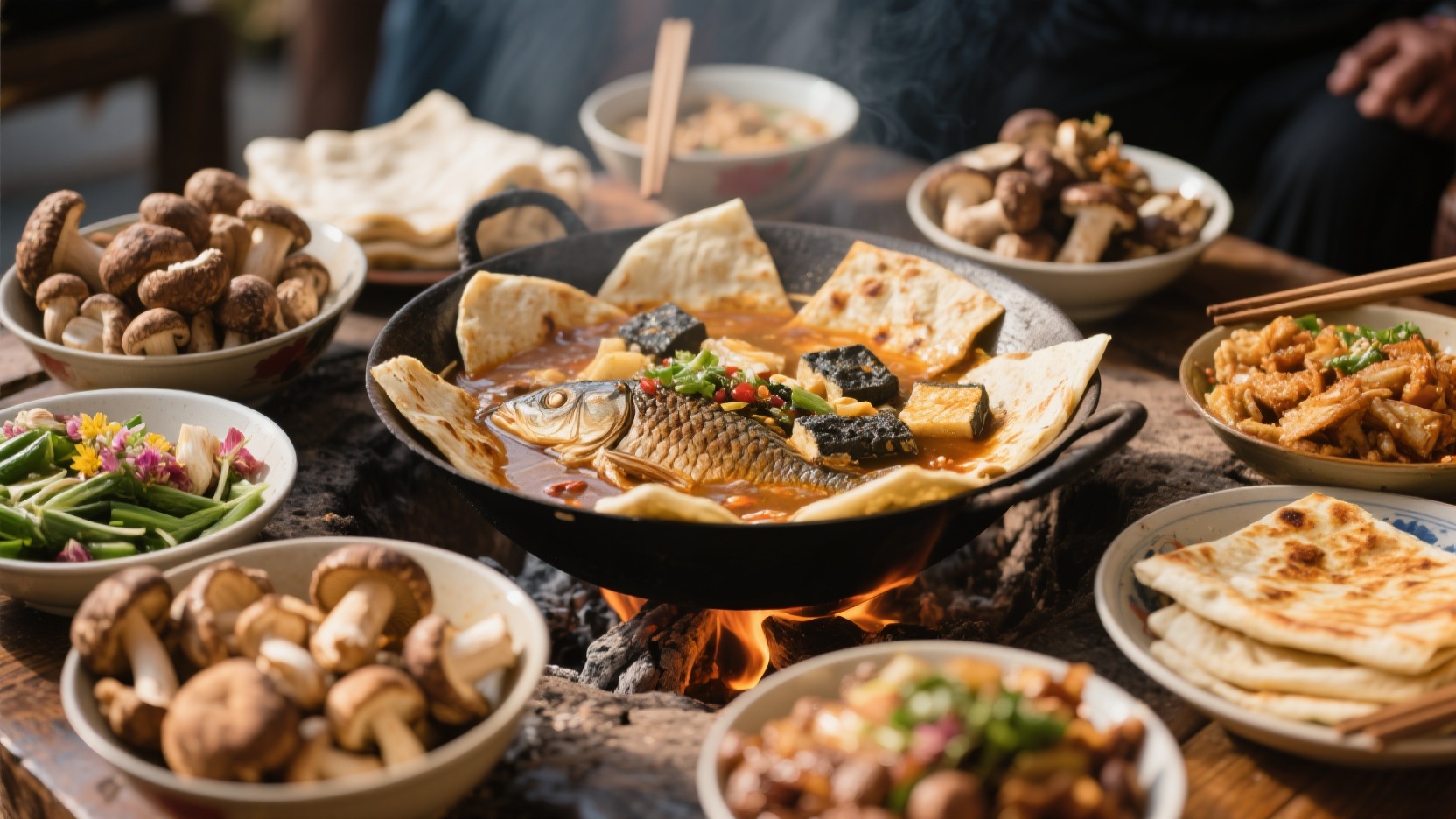
Kunming's late-night eateries offer more than just small pot rice noodles and barbecue. Around the winter solstice, the hidden gem at late-night food stalls is stinky tofu stewed with fish. The local stinky tofu undergoes low-temperature fermentation, resulting in a more concentrated pungent aroma without bitterness; the fish is usually tilapia or crucian carp, first pan-fried and then stewed, with a broth that is sour, spicy, and savory.
This dish is served with plenty of mint and a bowl of white rice. The tofu, soaked in the broth, is even more sought after than the fish; many people order a whole pot just for those few pieces of tofu. Eating this dish in the summer can feel stuffy, but eating it late at night in winter brings a satisfying fermented flavor.
In conclusion: Don't ask what the locals didn't tell you.
First, around the winter solstice, it's cold in Kunming in the mornings and evenings, but it gets hot during the day when the sun is out. Most charcoal stalls only open in the evening, so don't go looking for them at noon.
Secondly, for fermented flavors like pickled vegetables and stinky tofu, beginners can start with small pot rice noodles and avoid trying stinky tofu with fish right away.
Third, many traditional earthen stoves are not located in shopping malls or scenic spots; you have to look for them near the entrances of old residential areas, the back alleys of vegetable markets, or the vicinity of suburban farmers' markets.
Fourth, Kunming doesn't have central heating in winter, so it's perfect for eating hot pot and grilled tofu around a charcoal stove. However, the air circulation at charcoal stalls is poor, so don't sit too close.
Fifth, many of the limited-edition foods available around the Winter Solstice are only available until the Spring Festival. If you arrive late, the vendors will tell you, "Come back after the New Year."