
Avoid the queues at Wuyi Square | Changsha locals' list of places to avoid: These 8 long-established neighborhood restaurants are truly worth trying.
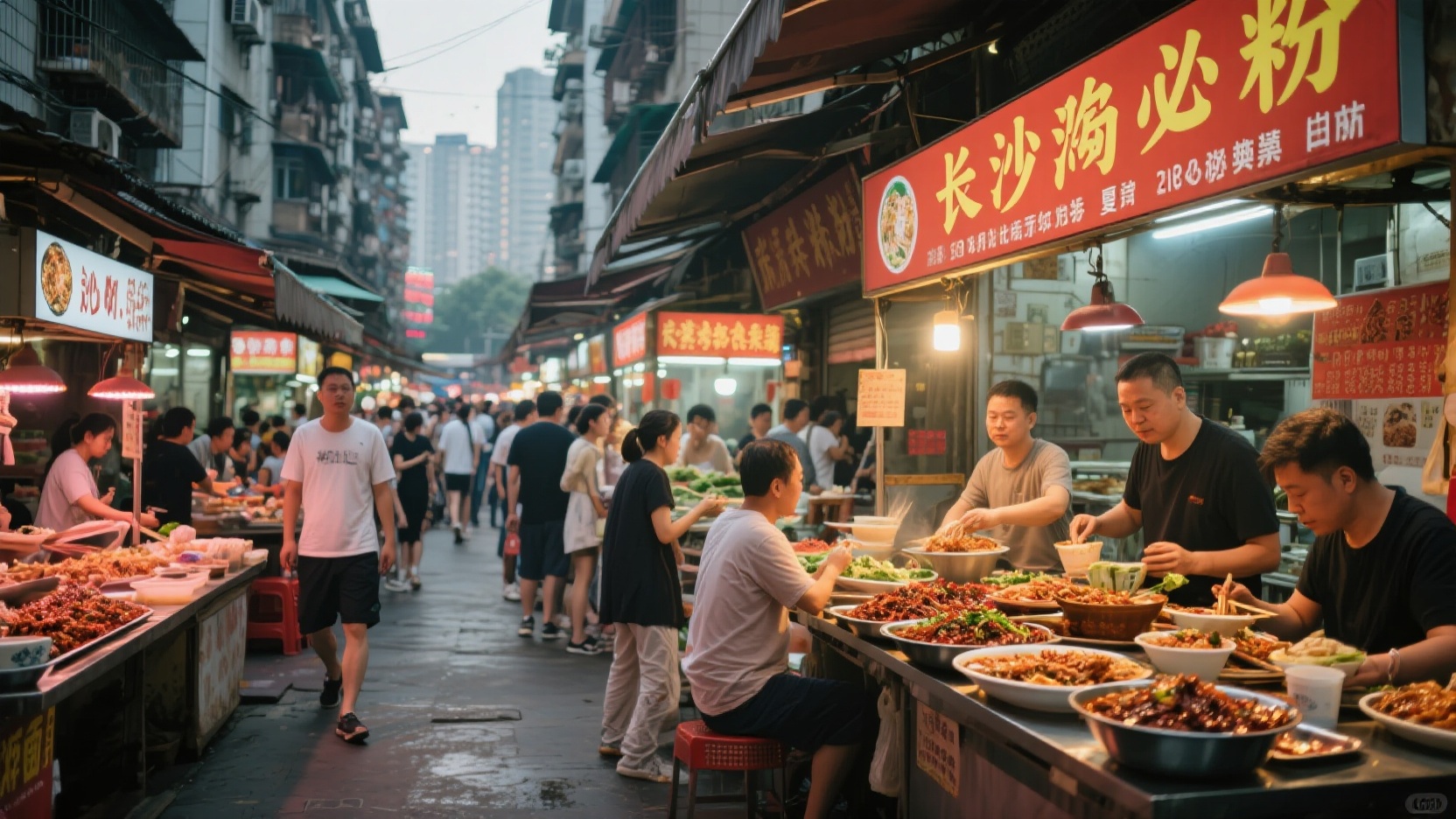
Having lived in Changsha for six years, I finally dare to say something that might offend people: those "must-eat" restaurants around Wuyi Square with queues of two hours or more are places that locals visit less than twice a year.
It's not that we're being fussy, it's just that these restaurants have long been transformed into tourist traps by the influx of customers: the spiciness is reduced, the service is faster, and the plating is made more attractive, but the wok hei (wok aroma) and the natural character of the ingredients are gone. The authentic Changsha flavor is hidden in the wet markets, resettlement communities, and old neighborhood alleys, where there are no fancy signs, but you can tell the taste is just right the moment you taste it.
I'm blacklisting these restaurants from the "must-eat list" first; locals rarely go there.
The first one is Huogongdian. It's more like a "Changsha snack museum," good for a quick stroll and some fun, but the stinky tofu and sugar-coated glutinous rice cakes are mostly bland and not cheap. Locals generally don't consider it when entertaining guests, unless they're taking visiting elders to experience the atmosphere.
The second one is Super Wenheyou. It brings the old Changsha street scene into the mall, and it's definitely photogenic, but the seasoning of the crayfish and kebabs is clearly geared towards a "safe" tourist version, lacking the pungent and fresh wok hei (wok aroma) of the alley stalls. Most of my local friends only accompany tourists for a quick look inside.
The third type is chain Hunan cuisine restaurants like Yizhandeng and Fei Dachu. They're not bad, but they're increasingly becoming "standard answers": the spiciness is adjusted to the upper limit that out-of-towners can tolerate, the portions and presentation are photogenic, but they lack the fresh, oily aroma and the unique character of the ingredients found in small, residential restaurants. Changsha locals prefer to go to their neighborhood restaurants to browse and order Hunan food.
The noodles and rice noodles in the wet market are the starting point for a Changsha morning.
The first shop is located in an alley near the Lotus Pond Market. It's a small storefront that only sells two types of toppings: shredded pork rice noodles and beef rice noodles. The owner makes pork bone broth in the early morning, and the rice noodles are handmade flat noodles delivered that day. They break easily when picked up with chopsticks, and they absorb the broth without becoming mushy. I often order "shredded pork rice noodles with a fried egg and extra pickled cowpeas." A bowl of hot soup in the early morning is more comforting than any trendy breakfast.
The second shop is located in the old community of Wangyuehu, specializing in dry-mixed noodles. The noodles are alkaline noodles, cooked until slightly firm, and mixed with lard, chopped chili peppers, and a little minced garlic—the aroma is irresistible. How to order without making a mistake: first, order "dry-mixed noodles with beef topping," then add two spoonfuls of pork cracklings and a spoonful of pickled radish. After finishing, drink half a bowl of noodle soup—this is the standard way for locals to end their meal.
When ordering Hunan cuisine at restaurants in resettlement communities, don't be fooled by the "mildly spicy" label.
In a resettlement community near the East Bus Station, there's a Hunan restaurant without a sign. Several baskets of seasonal vegetables are displayed outside; you go in to look at the dishes and order. Must-orders include "Pounded Chili with Preserved Egg" and "Stir-fried Pork Tripe with Pickled Radish"—one is fragrant with roasted chili, the other is sour, spicy, and crunchy, both with a strong wok hei (wok aroma). How to order without making a mistake: For groups of three or less, order two meat dishes and one vegetable dish, ask the owner to use less oil, and specify "normal spiciness" but request a bowl of water to rinse the food.
There's another stall located in a residential building behind the Sifangping Night Market, specializing in steamed dishes and stir-fried cured meats. The cured pork is smoked by the owner himself, cut into uneven thicknesses, and releases oil when stir-fried with garlic sprouts. Pair it with a bowl of steamed pumpkin and a soup with local eggs, and you can eat until you're stuffed for just a few dozen yuan per person. Don't order the "large portion," because the portions are huge; even the small portion can fill half the table.
Don't bother queuing up at the square for late-night snacks; the crayfish at the alley entrance of the resettlement area are much wilder.
In a late-night food alley near Mawangdui, there's a crayfish stall that only operates in the summer. The crayfish are freshwater crayfish brought in from the market every afternoon, their heads and backs cut off, then stir-fried with perilla leaves, minced garlic, and local chili sauce. A foolproof way to order: order "Perilla-flavored Crayfish" and a side of plain noodles. After eating the crayfish, pour the noodles into the broth and mix—this is the soul of the dish. It's on the spicy side, so don't be stubborn if it's your first time.
Another barbecue stall is located on a corner in the old Shazitang community, offering only three types of grilled skewers: beef, beef tendon, and chicken cartilage. The charcoal fire is small, but the owner flips the skewers frequently, and the cumin and chili powder sprinkled on are homemade. Paired with an ice-cold Baisha beer or mung bean soup, you can eat until late at night for just a few dozen yuan per person. Don't wear white clothes; you'll regret getting oil splattered on you.
Sugar-coated glutinous rice cakes and stinky tofu are most reliable finds at the vegetable market.
Outside the Nanmenkou vegetable market, there's a stall selling sugar-coated glutinous rice cakes (tangyoubaba). They only fry one type: crispy on the outside, chewy on the inside, and stretchy but not sticky. How to order without making a mistake: Buy a small portion fresh out of the fryer, not the pre-packaged and cooled ones, as the taste is significantly different. The owner says they taste best when the sugar is a little darker today, with a stronger caramelized aroma.
I often go to a small cart selling stinky tofu at the entrance of the old Qingshuitang community. It only opens in the evening. The tofu is lightly fermented and fried until crispy on the outside and tender on the inside. It's topped with a sauce made of garlic water, chili oil, and diced radish, and doesn't rely on its "stinky smell" to fool people. Paired with a small bowl of cold mung bean jelly, it's sour, spicy, and appetizing, and it's closer to the authentic taste of old Changsha than the "soup-filled stinky tofu" you find at tourist attractions.
In closing: Don't ask the locals if I didn't tell you.
First, don't ask if it's spicy. Changsha cuisine is generally spicy, but many restaurants offer "less spicy" options. Asking "Can you make it less spicy?" is more efficient than asking "Is it spicy?" Second, avoid peak meal times. Many hidden gem restaurants have limited seating, and queues are common during peak hours. Either arrive half an hour early or go after 2 PM or 8 PM to avoid peak times.
Third, don't wear white clothes. Whether it's noodles, Hunan cuisine, or late-night snacks, splattering oil and chili oil are common, so light-colored clothes are basically disposable. Fourth, don't use reviews to find restaurants. Many old neighborhood shops and market stalls don't operate online, have low ratings, or can't even be found online. It's best to ask the stall owners at the market entrance or taxi drivers.
Fifth, don't order large portions. Local Changsha dishes are generally generous in portion size; small or medium portions are enough, especially for late-night snacks and steamed dishes. Large portions will only leave you stuffed and wasteful.