
Exploring Hunan Cuisine: A Complete Guide to Authentic Changsha Food
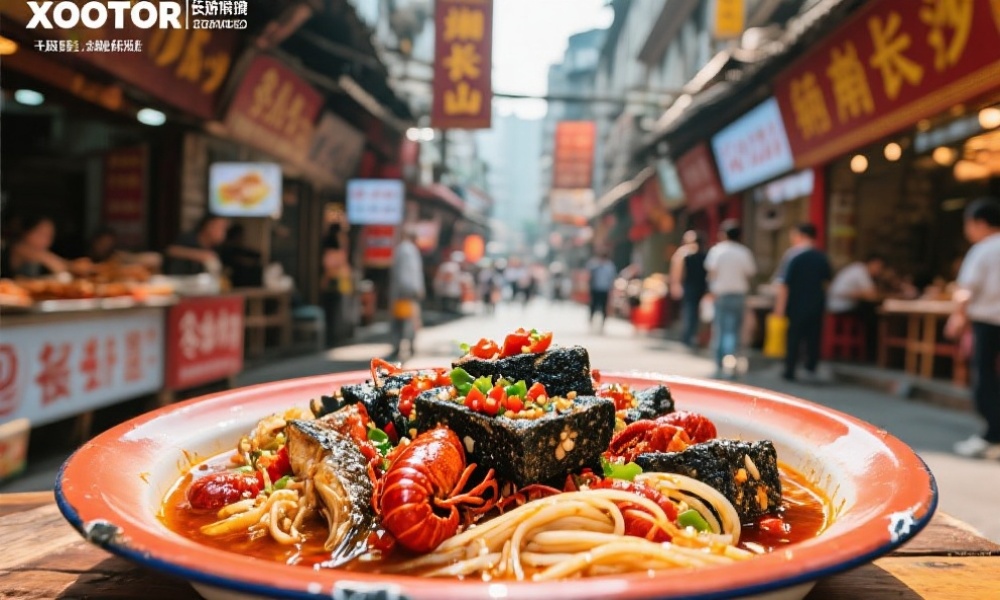
Changsha, a city known as the "Entertainment Capital," boasts an equally dazzling culinary culture. The spicy and flavorful Hunan cuisine, combined with the unique tastes of its street food, creates Changsha's distinctive gastronomic landscape. For first-time visitors or those wishing to delve deeper into Changsha's food scene, a well-planned food guide is essential. This article will outline Changsha's must-try signature dishes, popular local eateries, and offer tips on avoiding pitfalls, helping you embark on a pure culinary journey.
Must-try signature dishes list
Changsha cuisine is renowned for its distinctive spiciness and diverse cooking methods. Here are some classic dishes you shouldn't miss:
Stinky tofu: As Changsha's most representative snack, stinky tofu has conquered countless diners with its unique charm of "smelling bad but tasting good." Authentic Changsha stinky tofu has a crispy outer layer and a soft, tender interior. When bitten into, it's bursting with juice, and paired with a special chili and radish sauce and garlic sauce, it's fragrant, spicy, and delicious with a lingering aftertaste. Its production process emphasizes fermentation time and frying temperature, ensuring that each piece of tofu is infused with a rich bean aroma and complex spiciness.
Spicy crayfish: The absolute star of Changsha's summer nightlife. Fresh crayfish are stir-fried with a variety of spices including chili peppers, Sichuan peppercorns, ginger, and garlic, then simmered in a rich broth until fully flavorful. The finished dish is bright red, spicy, and fragrant, with plump, firm, and incredibly springy crayfish meat. Peeling the shell, sucking out the broth, and then savoring the meat is an indispensable part of experiencing Changsha's nightlife.
Sugar-coated glutinous rice cakes: a traditional snack that is sweet but not greasy. Small, round cakes made from glutinous rice flour are deep-fried in hot oil until golden brown and crispy, then coated with a syrup made from brown sugar and sprinkled with osmanthus flowers. Crispy on the outside and chewy on the inside, with a bouncy texture and a sweet aroma, they are an ideal choice for breakfast or afternoon tea, effectively relieving the spiciness of Hunan cuisine.
Steamed Fish Head with Chopped Chili: A classic representative of Hunan cuisine. It uses a fresh, large fish head, covered with a thick layer of chopped chili, and steamed with ginger, garlic, and fermented black beans. The fish meat is tender and smooth, and the spiciness of the chopped chili blends perfectly with the freshness of the fish, creating a bright red and enticing broth. After eating, mixing the broth with noodles or rice offers a unique and delicious flavor, making it a true indicator of a Hunan restaurant's quality.
Changsha rice noodles: a daily breakfast for Changsha locals, and a source of energy for the day. The rice noodles are chewy and springy, the broth is rich and flavorful, and the toppings are plentiful, such as shredded pork, spicy and sour sauce, gravy, and minced meat sauce. Each rice noodle shop has its own unique broth recipe and flavorful toppings, worth savoring. A bowl of steaming hot rice noodles is the most direct way to experience the everyday life of Changsha.
Stir-fried Pork with Chili Peppers: As a representative of Hunan home-style cuisine, stir-fried pork with chili peppers wins hearts with its simple and pure spiciness. Fresh pork is stir-fried with locally grown chili peppers until perfectly cooked, resulting in crispy, fragrant pork slices and crunchy chili peppers—a dish that's both spicy and delicious with rice. This seemingly ordinary dish best embodies the essence of Hunan cuisine's "fragrant and spicy" flavor.
Local favorites for food
To discover the true essence of Changsha cuisine, one must avoid tourist-heavy areas and delve into local streets and alleys.
Dongguashan: At night, Dongguashan is one of the top choices for locals in Changsha to enjoy late-night snacks. While lacking fancy decor, it's brimming with a vibrant, everyday atmosphere. Barbecue stalls, crayfish shops, and braised food shops line the streets, creating a lively and bustling ambiance. Here, you can savor the most authentic crayfish and grilled skewers, experiencing a true reflection of Changsha's nightlife. It's recommended to visit in the late afternoon when it's bustling and lively.
Nanmenkou: As a historic commercial district in Changsha, Nanmenkou is home to numerous traditional snacks and time-honored shops. The fried sausages, cold rice noodles, and pork lard noodles here carry the culinary memories of generations of Changsha residents. Many shops may not look impressive, but they often hide the most authentic local flavors. Strolling through Nanmenkou is like a journey to rediscover the roots of Changsha's traditional food culture.
Duzheng Street/Baisha Street: These two historical and cultural blocks retain their ancient charm while incorporating many distinctive restaurants. Although some shops may have a tourist focus, a deeper exploration reveals some long-established businesses that uphold tradition. These blocks offer a relatively tranquil environment, perfect for strolling and dining, allowing you to experience the slow pace of old Changsha life.
Old residential alleyways: True culinary delights are often hidden deep within unassuming laneways. In Changsha's older residential areas, such as Wuyi New Village and the vicinity of Qingshuitang, numerous small restaurants and noodle shops run by local residents are scattered throughout. These shops typically have no signs, or only simple ones, but they enjoy a stable local customer base thanks to word-of-mouth recommendations for their delicious food. Exploring these alleyways is the ultimate way to experience Changsha's authentic street food scene.
Tips for avoiding overpriced and overpriced shops and tourist attractions
With the development of tourism, Changsha has also seen the emergence of many "internet celebrity shops" and high-priced restaurants in scenic spots. Travelers need to remain rational.
Trendy Restaurants: Restaurants like "Super Wenheyou" are undeniably attractive due to their unique recreation of old Changsha scenes and immersive experiences. However, travelers purely seeking delicious food may need to adjust their expectations. Wenheyou's dishes may not be the best in Changsha in terms of taste, and the queues are extremely long, making it less than the most cost-effective option. It's recommended to view it as a cultural experience rather than your only choice for authentic local cuisine. If time is limited, consider a quick visit to one of their snack stalls. Furthermore, for other trendy restaurants that have sprung up quickly, it's advisable to consult local reviews to avoid blindly following trends.
Tourist area premium: Restaurants within core scenic areas such as Orange Isle and Yuelu Mountain tend to be overpriced, with standardized flavors and a lack of distinctive features. For example, dining at Orange Isle is generally more expensive than similar restaurants in the city center, and the selection is limited. It is recommended that when visiting scenic areas, only grab a quick drink or snack within the area, and have your main meals in the city center, especially in the local neighborhoods mentioned above, where you can enjoy more authentic cuisine at more reasonable prices.
Rational consumption advice:
- Compare multiple sources: When choosing a restaurant, in addition to referring to online platform ratings, pay more attention to the feedback from locals in the reviews.
- Ask locals: taxi drivers, convenience store owners, hotel receptionists, etc., they can often provide the most authentic local food recommendations.
- Focus on established brands: those time-honored shops that have been passed down for many years are usually a guarantee of quality and taste, rather than simply pursuing new trends.
- Avoid core tourist areas: Areas around attractions are often overpriced. Walking 10-15 minutes to non-core areas often leads to pleasant surprises.
In Changsha, slow down and savor the city's most authentic local flavor with your taste buds.