
A Reverse Selection Guide to Accommodation in Zhengzhou: A Comparative Review of Homestays and Chain Hotels in the Same Area, and My Three-Week List of Things to Avoid (Category-Specific)
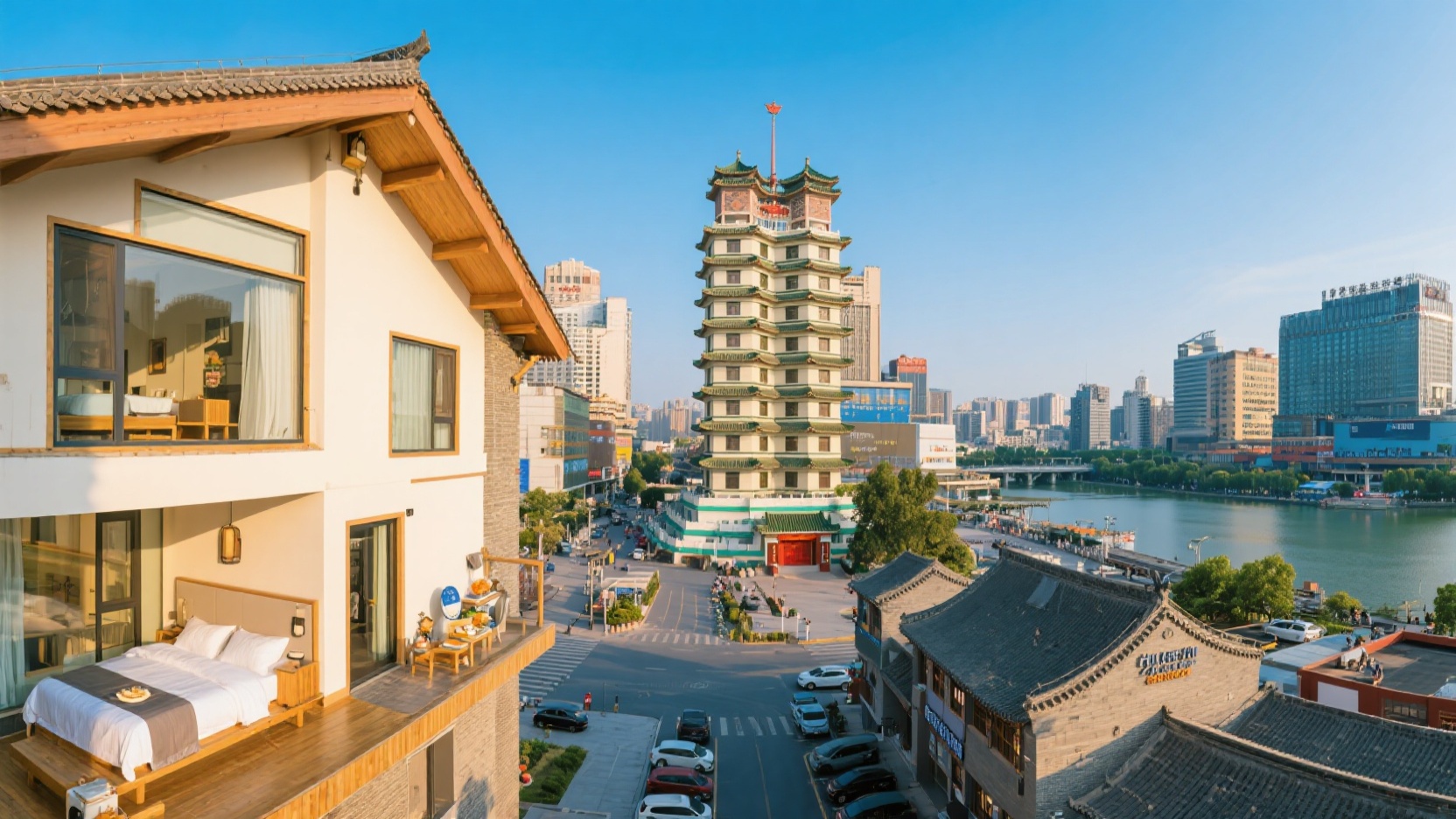
During my three weeks of trying out accommodations in Zhengzhou, the dumbest mistake I made was booking a guesthouse solely based on photos of its floor-to-ceiling windows, only to be jolted back to reality at 1 a.m. by the sound of a hairdryer next door. The most unique aspect of accommodation in Zhengzhou is that it's not that "guesthouses are necessarily worse than hotels," nor that "chain hotels are always more boring," but rather that it heavily depends on the location and price. Below, I'll compare boutique guesthouses and chain hotels across three major accommodation areas: Erqi Square Old Town, Zhengzhou East Railway Station, and Ruyi Lake in the CBD, categorized by price, mid-range, and high-end, focusing on only six key aspects: location, soundproofing, cleanliness, breakfast, parking, and luggage storage.
First, remember this premise: In Zhengzhou, the location and building age are more determining than "guesthouse or hotel" when it comes to accommodation.
In Zhengzhou's old city areas, such as Erqi Square and the railway station area, the buildings are older and there is a large flow of people, making it easier for the soundproofing and cleanliness of accommodations at the same price point to fluctuate. In contrast, the Zhengdong New Area and CBD area have more newly built apartments and office buildings, with significantly better facilities. Therefore, when choosing accommodation in Zhengzhou, it is more practical to first consider the area and then the type of accommodation, rather than blindly choosing between "guesthouse" or "hotel".
This comparative review will not discuss filters, but only six key indicators that most affect the overnight experience: whether the location is easy to find, whether the soundproofing is adequate, whether the cleanliness is consistent, whether breakfast is provided, whether parking is convenient, and whether luggage can be stored after check-out.
Budget-friendly options: In the old town area of Erqi Square, chain restaurants offer stable prices, while guesthouses offer higher prices but also more potential pitfalls.
Erqi Square and the railway station area are the first stop for many tourists arriving in Zhengzhou. Budget chain hotels are usually located near main roads or subway stations, making their locations easy to access. Rooms are generally small, and the older buildings may only offer adequate soundproofing for sleeping. Basic hygiene procedures are followed, luggage can be stored at the front desk, and some locations have partnered parking facilities. Breakfast is often simple, consisting of pastries or not included at all, but a quick breakfast can be found at the street stalls. Overall, budget chain hotels excel in their reliability.
Boutique guesthouses in the same price range are mostly hidden in older commercial and residential buildings or neighborhoods around Dehua Street. Some rooms are indeed more stylish, with projectors, decorative paintings, and small sofas, making them better for photos than chain guesthouses. However, the problems are also similar: complex access control systems, many are old buildings without elevators, soundproofing is often not ideal, and cleanliness depends on the consistency of the cleaning service hired by the host; breakfast is almost never served, parking is extremely difficult, and luggage storage requires separate appointments. The conclusion is straightforward: for budget options, chain guesthouses are more reliable, especially suitable for those catching trains, needing receipts, or needing to check out and store their luggage; guesthouses are only suitable for backpackers who can accept "everything depends on communication."
Comfortable option: In the Zhengzhou East Railway Station area, chain stores win with "breakfast + luggage storage," while homestays win with "space + washing machine."
The Zhengzhou East Railway Station and high-speed rail area features a concentration of new buildings, making it a frequent accommodation area for business travelers and transit passengers. Comfortable chain hotels are usually within walking distance of the high-speed rail station, offering the most convenient location; room soundproofing is better than in the old city, but lower-floor rooms facing the road are still recommended to avoid; hygiene standards are consistent, breakfast includes both Chinese and Western light meals, and packing is available for those catching early trains; luggage storage at the front desk is convenient after check-out. Regarding parking, many hotels have contracted underground parking garages, offering free or low-cost options, but it's essential to confirm the number of parking spaces available in advance.
Boutique guesthouses in this price range are mostly located in mid-to-high-end apartments near the East Railway Station. They are often larger than chain guesthouses in the same price range and come with a washing machine, a small kitchen, and even a refrigerator, making them suitable for families and people staying for two nights or more. The location needs to be found using the location provided by the host; some apartments require a card to enter the elevator, which might be a little confusing the first time. Soundproofing is generally acceptable due to the newer buildings, but avoid buildings near elevated highways. For cleanliness, carefully review recent negative reviews; don't just rely on retouched photos. Breakfast is generally not included, but fortunately, there are convenience stores and restaurants near the high-speed rail station nearby. Parking options include free parking spaces or underground parking with a fee; be sure to inquire before booking. Luggage storage can be arranged with the manager, offering moderate flexibility.
The conclusion for this category is: chain stores are the best choice for people who need to catch an early bus, require reimbursement, and value breakfast and luggage storage; homestays are the best choice for people who travel with children, need to do laundry and cook, and are willing to pay a little communication cost for more space.
High-end: In the CBD Ruyi Lake area, homestays win with their "window views and atmosphere," while chain stores win with their "stability and amenities."
The area around Ruyi Lake and Zhengzhou Forest in the CBD is a hub for high-end accommodations in Zhengzhou. These upscale chain hotels are located near the lake or business districts, with excellent lobbies, concierge services, and parking. Soundproofing and cleanliness are excellent, and breakfasts are plentiful, making them suitable for business travelers. Check-out procedures for luggage storage, invoicing, and taxi booking are all standardized. Chain hotels in this price range generally have no significant weaknesses; the main considerations are budget and whether amenities such as meeting facilities, gyms, and swimming pools are needed.
High-end boutique guesthouses are often hidden in upscale apartments or serviced apartments, selling views of the cornfield from their windows and home-style design. Living rooms, bathtubs, and open kitchens are common, creating a photogenic atmosphere. It's important to note that high-end guesthouses aren't necessarily hotel-style managed: they might be located on the same floor as office buildings, leading to long wait times for elevators during peak hours; soundproofing depends on the building structure—good windows don't necessarily mean thick interior walls; overall cleanliness is good, but details like tableware and remote controls aren't as consistent as in high-end chains; breakfast may include a coffee voucher or light meal, while some don't; parking may be charged separately; luggage storage isn't always available 24/7, so confirm in advance if you need to store luggage after check-out. Conclusion: For a romantic atmosphere, scenic views for photos, and long-stay cooking, choose a guesthouse; for banquets, meetings, gym access, and expense reimbursement, choose a chain.
The blogger concludes: Accommodation in Zhengzhou isn't about choosing a camp, but about choosing "which specific problem you need to solve."
Comparing the three areas and three price ranges, the accommodation logic in Zhengzhou is clear: Budget-friendly guesthouses often struggle with soundproofing and hygiene, while chain hotels are more suitable for most tourists; the gap between mid-range and chain guesthouses is narrowing, with breakfast and luggage storage remaining key differentiators; high-end guesthouses win with their atmosphere and views, while chain hotels win with their stability and amenities. There is no "absolutely better" answer in Zhengzhou, only choices that are "more suitable for your trip."
Tip 1 | When driving to Zhengzhou's old city, prioritize accommodations that offer free parking or have underground parking, and confirm the number of parking spaces in advance. Don't try your luck when you arrive.
Tip 2 | Whether it's a guesthouse or a chain, those that have been newly opened or renovated in the last three years are more reliable. Pay attention to whether there are concentrated issues with soundproofing, hot water, and hygiene in the negative reviews in the last 30 days.
Tip 3 | If you have plans on the day of check-out, try to choose accommodations with a front desk or 24-hour concierge service. Luggage storage is not a standard feature at homestays.
Finally, just ask three questions: Do you want social interaction? Do you want breakfast? Do you want an invoice? If none of these apply, then consider a homestay; if two or more apply, then choose a chain.