
Don't queue up for shrimp in the summer | A Changsha local's winter solstice-only list of places to avoid.
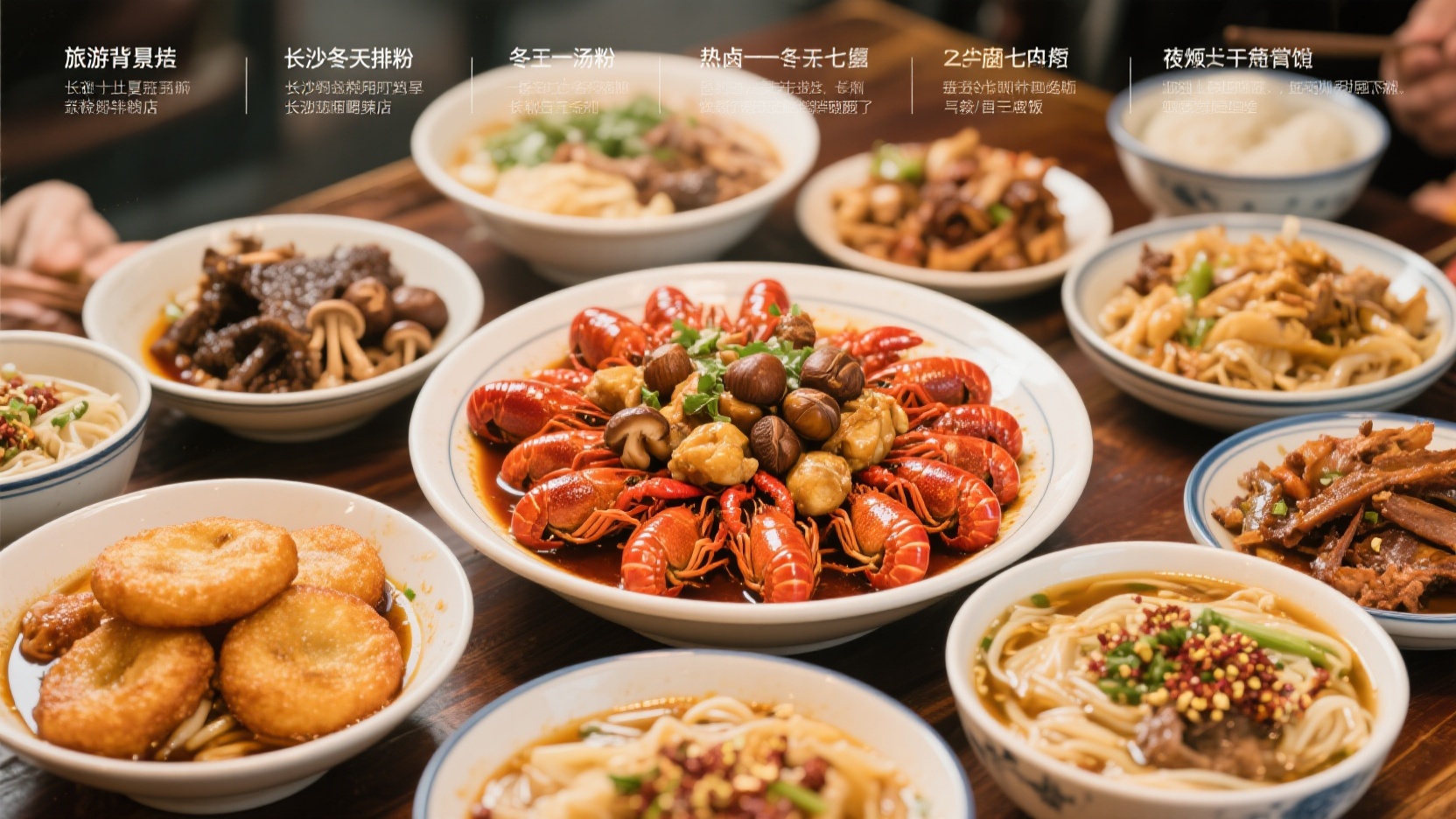
If you believe the travel guides that say "eating spicy crayfish in Changsha in the summer is the most worthwhile," you'll most likely be queuing for two hours in 38-degree Celsius heat, only to end up eating nothing more than industrially produced chili oil from a chain restaurant. Having lived in Changsha for seven years, the thing I most want to advise you to avoid is blindly following the trend of eating crayfish in the summer.
What's truly underestimated by outsiders is Changsha's autumn to winter solstice period. Tourists have dispersed, but the ingredients become at their most sought-after: mushrooms harvested after autumn rains, dried meats prepared before the winter solstice, freshly made osmanthus sugar, and plump black goats from the mountains—all crammed into this month-long season. Below, we've compiled seven local favorites for this time of year, arranged according to four meals a day.
Breakfast: Cold mushroom soup noodles, which only appears after the autumn rains.
The cold mushroom is a type of pine milk mushroom found in the pine forests of Hunan. It only appears after one or two autumn rains and basically disappears after the first snow. Locals in Changsha will take advantage of this time to go to the community noodle shop in the early morning and order a bowl of cold mushroom soup noodles. The soup should not be too spicy; you should taste the earthy freshness of the mushroom itself.
How locals eat it: The noodles should be served in a generous amount of broth, with a spoonful of mushroom oil, a chopstick of chopped chili, and a few bits of pork cracklings. Mix well, eat the noodles first, then drink the broth. The freshness of the mushrooms is a seasonal gift; after a month, frozen mushrooms will become rubbery no matter how you cook them.
Lunch: Steamed chicken with chestnuts; the soft and powdery texture won't be available again this season.
In late autumn, chestnuts begin to become soft and powdery, but their best-tasting period is extremely short. Locals will shell the chestnuts and steam them with free-range chicken. The chicken oil seeps into the chestnuts, and the chestnuts in turn infuse the broth, resulting in a dish that is sweet with a slightly grainy texture. This dish is most commonly seen on family tables around the winter solstice, but is rarely found in restaurants.
To eat with it: Be sure to mix the rice with the steamed chicken fat, and add two slices of homemade chopped radish. Choose small, oily chestnuts; they will melt in your mouth after steaming. Chestnuts that are out of season will only make your throat feel sore, which is why people from other places can't get them at all in the summer.
Lunch Special: Steamed Assorted Cured Meats - The aroma of cured meats is perfect for the Winter Solstice, preventing them from becoming dry.
The peak season for Hunan-style cured meats is not during the Spring Festival, but around the winter solstice. Freshly air-dried cured pork, fish, and sausages are still elastic. They are sliced thinly and steamed with fermented black beans and dried chili peppers. The oil is transparent but not greasy, the lean meat is not dry, and the cured meat has the most authentic aroma.
Locals eat it like this: Steamed Assorted Cured Meats is served with white rice, especially rice cooked over a wood fire with crispy rice at the bottom. A slice of cured meat is placed on top of the hot rice, allowing the fat to slowly seep in, and it's accompanied by a small dish of chopped chili and minced garlic. Locals generally avoid vacuum-packed cured meats from the summer, as they are too salty and rancid.
Afternoon tea: Osmanthus-flavored sugar glutinous rice cakes; only fresh osmanthus can cut through the sweetness.
Many people think that sugar-coated glutinous rice cakes are the same all year round, but the difference lies in the osmanthus sugar. The osmanthus sugar made from fresh osmanthus flowers harvested in August or September of the lunar calendar has a vibrant aroma. When poured over freshly fried sugar-coated glutinous rice cakes, it transforms the cloying sweetness into a refreshing sweetness. After autumn, only aged osmanthus sauce remains, which tastes like mere syrup.
How locals eat it: Buy two freshly made ones at the South Gate or the entrance of the old alley, bite into them while they're hot—crispy on the outside and chewy on the inside—and then sip the hot tea offered by the vendor. Don't pack the sugar-coated glutinous rice cakes to go; they harden as soon as they cool down. This is a common mistake many travel guides suggest: go to a trendy shop to take them away.
Afternoon tea accompaniment: Sweet wine with egg, not just for breakfast.
Sweet rice wine with egg is a dish that Changsha locals often move from breakfast to afternoon tea around the winter solstice. At this time, the fermentation of glutinous rice wine is most stable, with a mild aroma. The resulting egg drop soup is tender yet firm. Adding a few dried longans or goji berries makes it a warming drink.
The preparation is quite traditional: two osmanthus-flavored sugar-coated glutinous rice cakes served with a bowl of sweet rice wine with an egg. The sweet rice wine is unsweetened, relying on dried longan for flavor. Locals will scrape the rice grains from the bottom of the bowl after finishing, a symbol of their winter well-being. It's actually quite cooling in summer, so tourists don't understand the true value of this bowl on an autumn afternoon.
Late-night snack: Liuyang black goat stew with rice noodles, even more delicious than spicy crayfish!
In late autumn, Liuyang black goats reach their fattest and most delicious stage, and late-night food stalls in Changsha begin setting up charcoal stoves to stew the goat meat. The goat meat, cut into chunks with the skin on, is stewed in a pot with angelica root, white radish, and sweet potato noodles until the soup turns white. The goaty smell is extremely mild, and the noodles, soaked in the broth, become even more sought after than the meat.
Locals eat it like this: first, drink half a bowl of the original broth, then dip the mutton in a sauce made of fermented bean curd and chopped chili peppers. The rice noodles must be saved for last, to soak up all the meaty flavor. This is completely different from the trendy crayfish in summer, but for the old folks, mutton hot pot is a must-have for a late-night snack in winter.
To finish the late-night snack: hot braised dried orchids, a traditional flavor only available in late autumn.
Changsha's hot braised food stalls truly shine in winter, especially their dried orchids and bundled chicken. In late autumn, the braising liquid is enhanced with cinnamon and orange peel, resulting in dried orchids that are soft yet chewy, bursting with juice in every pore. This rich, savory flavor might feel heavy in summer, but it's perfect for a cool winter night.
Locals eat it like this: slice a few pieces of chicken, lotus root, and pig lung, add a spoonful of chili oil and a spoonful of minced garlic, and ask the owner for an extra spoonful of braising sauce to mix with rice. Many tourists only know about Dongguashan grilled sausage, but they don't know that eating a bowl of hot braised food under a street lamp in the cold wind is the hidden menu of Changsha's late-night snacks.
In conclusion
1. Don't ask locals where to eat shrimp in the summer. The queues are mostly tourists during this season, and the shrimp quality and prices are at their worst.
2. Going to the farmers' market around the winter solstice is more worthwhile than going to the trendy restaurants. You can find mushrooms, chestnuts, and fresh preserved meats at the stalls, and many restaurants also get their supplies from these stalls.
3. Osmanthus sugar oil cakes are best eaten freshly fried while strolling through old neighborhoods during osmanthus season; taking them away is a waste of money.
4. When making stewed black goat with rice noodles, choose meat with skin on. Remember to add a little fermented bean curd to the dipping sauce; this is a hidden way for old-timers to enjoy it.
5. When visiting Changsha at this time of year, don't follow the tourist logic of "eating rice noodles for breakfast and drinking milk tea for afternoon tea." Sweet rice wine with egg and sugar-oil cakes can be enjoyed at any time.