
Zhangjiagang's Cultural Undercurrents: Connecting 7 Little-Known Spiritual Corners
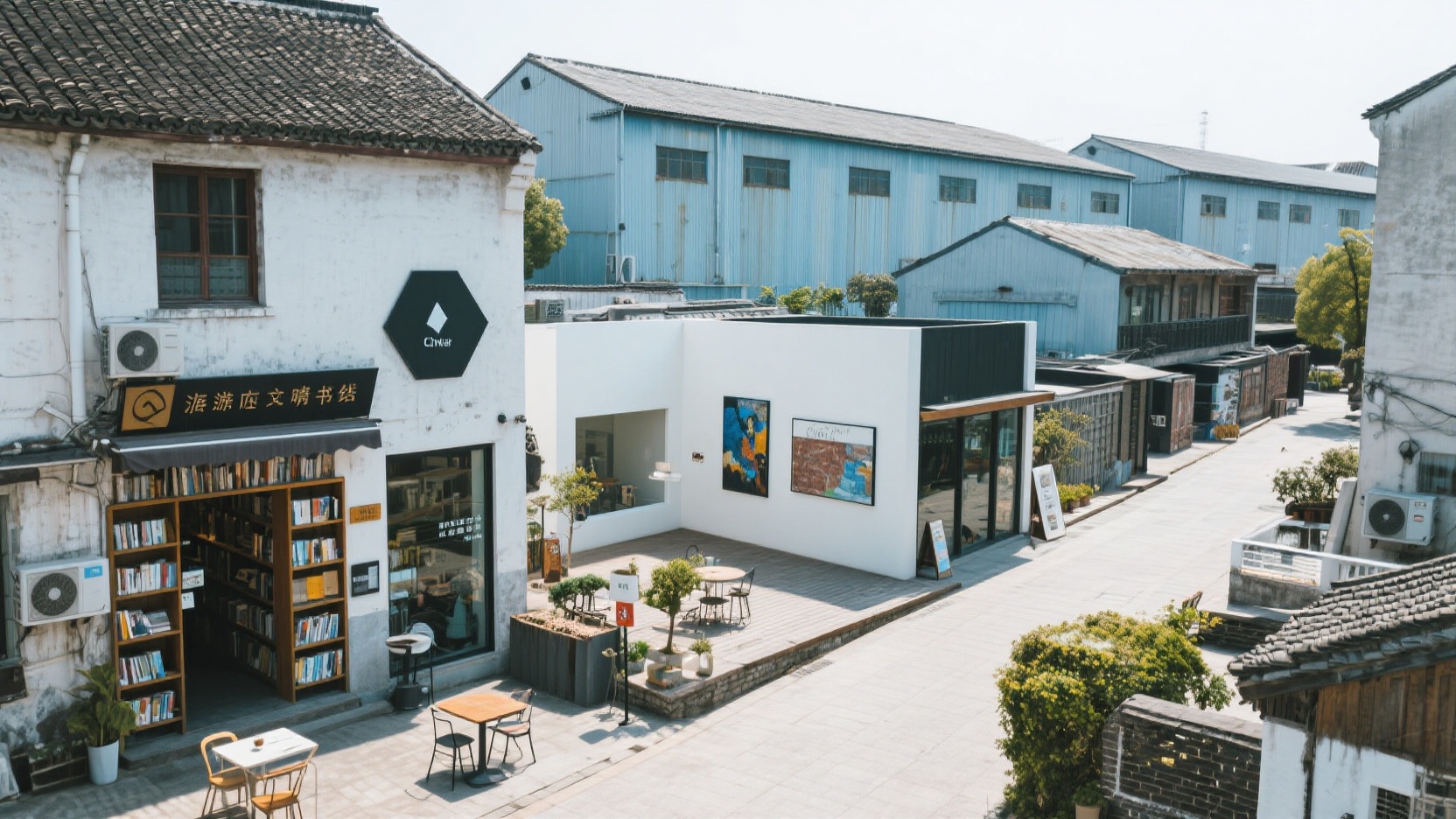
Zhangjiagang's cultural and artistic resources are not concentrated around scenic spots, but scattered in old residential areas, old factories, and riverside warehouses. Instead of queuing at popular landmarks, it's better to wander into these low-profile spaces and spend half a day walking through a hidden thread of urban culture.
"Unread Bookstore": Only sells books you can actually read.
This independent bookstore, located on the ground floor of an old residential building, has a tiny storefront, but once you step inside, you're greeted by floor-to-ceiling bookshelves. There are no bestseller lists; instead, the owner has organized the books into three sections: "Yangtze River Basin Writing," "Jiangnan Local Chronicles," and "Independent Magazines." The most interesting section is the port city literature corner by the window, where you can find some no-longer-published local historical and cultural materials. The store only has a handful of seats, perfect for those who truly want to browse quietly. For photography, it's recommended to stand in front of the warm-lit bookshelves and use a vertical composition to capture the color blocks on the spines; after 3 pm, the sunlight streaming in from the window at an angle makes for great photos of the wooden tables by the window.
"Shazhou Vintage Warehouse": Storing everyday life from a bygone era in a warehouse.
This is a space for collecting rather than selling old objects. The displays are densely packed, yet divided into three sections based on living scenes: "Kitchen," "Living Room," and "Dock." Highlights include an entire wall of old clocks, vintage sewing machine heads, wooden crates and boat tickets salvaged from an old dock on a sandbar. Many items retain signs of use, making them more authentic than museum display cases. When taking photos, avoid using flash; utilize the natural light from the high side windows to capture the outlines of still objects. The old mirror at the entrance is perfect for low-angle selfies, allowing people to overlap with the old furniture, creating a sense of temporal displacement.
"Cotton Warehouse·Shiguang Cultural and Creative Park": A multi-functional cultural space within a sawtooth factory building
Converted from a former cotton mill workshop, the building retains its sawtooth roof and red brick exterior as much as possible, while adding a second-floor connecting corridor using a steel structure. The park isn't large, but its strength lies in its constant renewal: the first floor hosts printmaking and printing art exhibitions periodically, the second floor houses several independent design studios, and occasionally a craft market takes place on weekends. The highlight is the architecture itself—the light from the skylights shifts across the concrete floor over time. For photography, it's recommended to stand on the second-floor connecting corridor and shoot over the atrium, or use a wide-angle lens to capture the structural lines of the sawtooth roof; on cloudy days, the evenly diffused indoor lighting is more suitable for portrait photography.
"Egret Art Space": A private art museum hidden on the ground floor of a riverside apartment building.
The space is small and restrained, with white walls and terrazzo floors, showcasing mostly works on paper by local and surrounding artists. The permanent series "Poetry of the Riverbank" focuses on ink painting and photographic collage, discussing the changes along the Yangtze River shoreline. Because only one theme is exhibited at a time, the flow is clear and avoids fatigue. A highlight is a circular window that perfectly frames a small patch of greenery outdoors. For photography, it's recommended to utilize the white wall for negative space, with the subject positioned in the lower third of the frame; silhouettes can be taken in front of the circular window, especially in the morning when the light is strong, while the afternoon is ideal for capturing the quiet atmosphere inside.
"Muxin Coffee": Community Living Room and Vinyl Store
Nestled within the ground-floor shops of an ordinary residential community, this café is a gathering place for pour-over coffee enthusiasts during the day, and occasionally transforms into a poetry reading and vinyl record sharing session in the evening. The owner roasts the coffee himself, with the selection handwritten on a blackboard in chalk, primarily featuring medium to light roasts. A wall of vinyl records at the far end offers a listening area, with a selection leaning towards jazz and classic Chinese songs. It's a great spot to rest midway through your trip; sitting by the window, you can watch local residents picking up and dropping off their children, creating a strong sense of local life. For photography, it's recommended to capture the pour-over process against the backlight by the window; in front of the vinyl record wall, stand sideways and use the colors of the record covers as a backdrop.
"Gray Wall Gallery": The Sharpness and Focus of an Exhibition Hall
This is a small, independent gallery with only one exhibition hall. The walls retain the texture of industrial cement, and track lighting is used to illuminate all the artworks. The exhibitions change every two months, focusing on works on paper by young artists, primarily prints, drawings, and collages. There are no creative product shelves or a coffee area; viewing the paintings is the sole purpose. Its advantage lies in its small space, allowing for close interaction with the works. When taking photos, it's recommended to stand to the side of the artworks, allowing the spotlights to create a contrast of light and shadow on the wall. When photographing people, avoid facing the artworks directly; side-backlighting better highlights the gallery's tranquil atmosphere.
"Jiang Sheng Lab": Sound and Installation Site at the Old Dock
Located on the edge of an old dock warehouse, the exterior is almost unadorned, but the interior is used for continuous sound recording and installation art. The permanent sound installation captures the sounds of ship horns, tides, and wind noise from the Zhangjiagang section of the Yangtze River; with headphones, you can hear very localized riverbank sounds. Another highlight is the sculpture made from repurposed parts of old fishing boats, with the metal rust perfectly preserved. It's recommended to arrive in the evening, when the warm indoor lighting contrasts beautifully with the cool light on the river outside. When taking photos, try including headphone wires, old metal, and the water in the same frame for a restrained yet natural atmosphere.
These seven locations are spaced far enough apart to be easily connected by bicycle or on foot. They don't have to be in order; you can choose to spend more time at just three or four. For those who appreciate the details of a city, these spaces reveal its character more clearly than any standard tourist attraction. Explore the city's spiritual corners on foot.