
Zhangjiagang: A Cultural Hub – Slow Travel in Jiangnan, Savoring the Culture and Art of the Sandbar
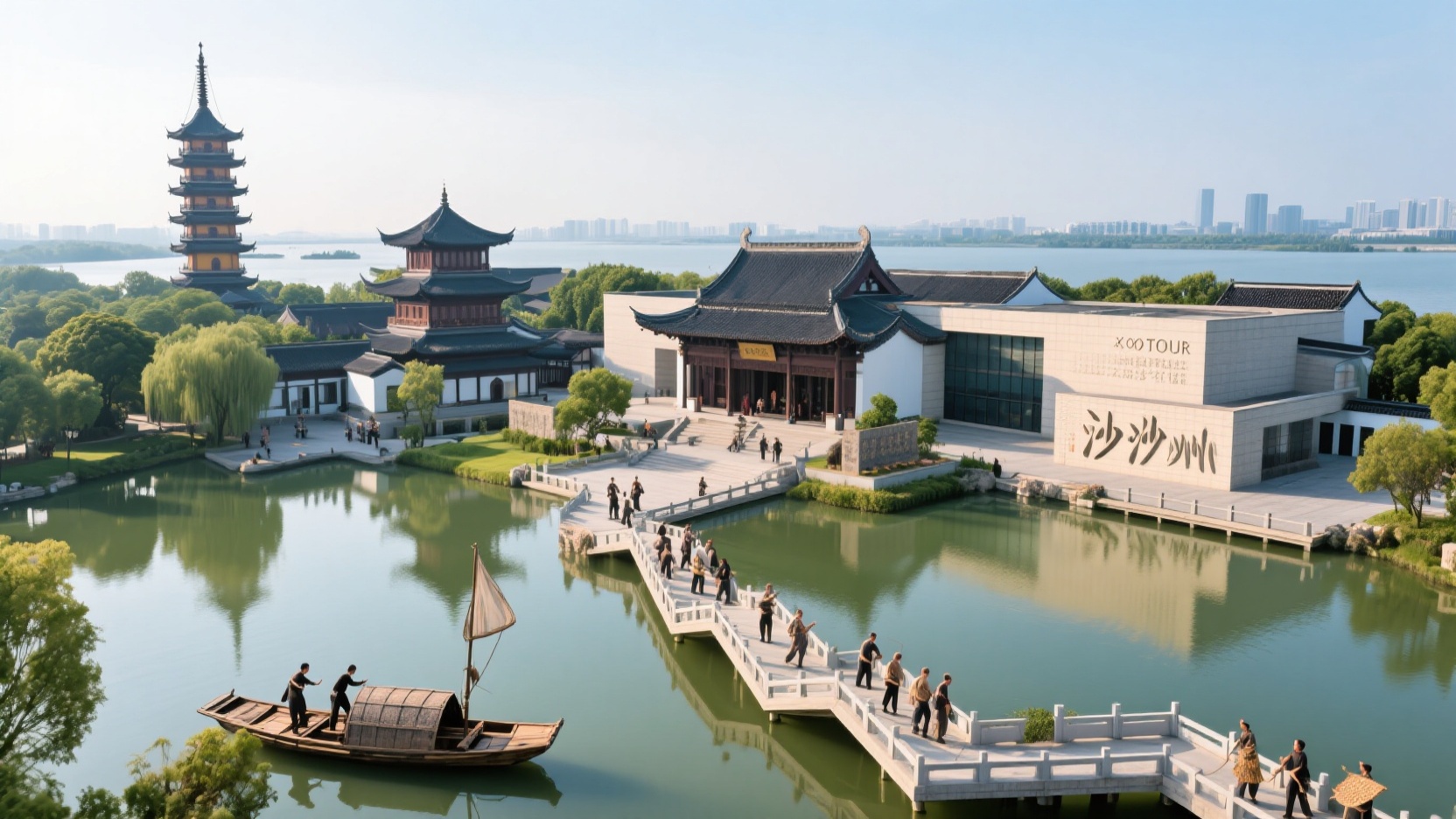
Zhangjiagang, a modern city that thrived because of its port, possesses a profound Jiangnan cultural heritage and unique sandbar charm beneath its surface. While not a traditional tourist hotspot, it offers travelers seeking in-depth cultural experiences a tranquil and rich cultural haven. This curated blog post will guide you through a slow-paced journey centered on culture and art, delving into Zhangjiagang's museums, historical sites, and intangible cultural heritage experiences, uncovering the cultural stories behind them, and leading you to an immersive experience of this port city's unique charm.
First stop: The prologue to history – Zhangjiagang Museum
A journey to explore the culture and art of Zhangjiagang should begin with its historical origins. The Zhangjiagang Museum serves as a crucial window into understanding the city's evolution and cultural context. The museum's exhibits systematically trace the entire process of development in the Shazhou area (Zhangjiagang's ancient name), from the archaeological discoveries of the Neolithic Majiabang and Songze cultural sites, to the rivalry between the Wu and Yue states during the Spring and Autumn and Warring States periods, to the flourishing trade of the Ming and Qing dynasties, and finally to the rise of the port and urban development in modern times. Through detailed artifacts, charts, and multimedia displays, visitors can intuitively experience the geographical changes caused by the alluvial deposits of the Yangtze River, and understand the hardships and wisdom of the Shazhou people in their lives of relying on the water and cultivating the land. The museum's collection of bronzes, ceramics, calligraphy and paintings, and folk artifacts are not only material evidence of history but also a microcosm of the cultural and artistic aesthetics and technological inheritance of the Shazhou area, showcasing the lifestyle, beliefs, and artistic creativity of the people of this land.
Second stop: Yongqing Temple, where the ancient Buddhist chants resonate for millennia.
Yongqing Temple, located at the foot of Phoenix Mountain, is one of the oldest Buddhist temples in Zhangjiagang, dating back to the Southern Liang Dynasty, nearly 1,500 years ago. Built against the mountainside, the temple buildings are simple and solemn, with halls arranged in a harmonious and elegant manner, their carved beams and painted rafters revealing the unique refinement and tranquility of ancient temples in the Jiangnan region. Yongqing Temple is not only a center for the dissemination of Buddhist culture but also an important carrier of local historical memory. The inscriptions, ancient wells, and towering ancient trees within the temple all tell tales of the vicissitudes of time. Strolling through the temple, listening to the morning bells and evening drums, and feeling the peace and solemnity amidst the swirling incense smoke, one can deeply experience the profoundness and harmony of traditional Chinese Buddhist culture. The surrounding Phoenix Mountain Scenic Area also blends natural scenery with cultural landscapes, offering visitors a unique experience of contemplation in nature and discovery within historical sites.
Third stop: Echoes of the Yangtze River and Sandbar Mountain Songs
Zhangjiagang owes its existence to the Yangtze River, and Yangtze River culture is an indispensable part of its DNA. The Yangtze River Boatmen's Chant, a national intangible cultural heritage, is a collective work chant sung by fishermen and boatmen along the Yangtze River. With its powerful and stirring melody and simple, rugged lyrics, it showcases the courage to battle the surging river and the spirit of unity and cooperation. The chant embodies reverence for nature, yearning for a better life, and philosophical reflections on the harmonious coexistence of humanity and nature. Complementing the Yangtze River Boatmen's Chant are the Shazhou Mountain Songs, sung in the Wu dialect, whose content often revolves around pastoral life, love stories, and local customs. Their melodies are melodious and graceful, full of the delicate charm of the Jiangnan water towns. At Zhangjiagang's cultural center or designated intangible cultural heritage exhibition points, visitors have the opportunity to observe these two unique vocal arts up close, and even participate in interactive experiences, feeling the living charm of intangible cultural heritage and understanding its cultural value and significance in local social life.
Fourth stop: Inheriting the spirit of craftsmanship – Intangible cultural heritage workshops and folk experience
Beyond auditory arts, Zhangjiagang's intangible cultural heritage is also embodied in its exquisite folk crafts. Visiting local intangible cultural heritage workshops is an excellent way to deeply experience the culture and art of Shazhou. For example, Zhangjiagang's wood carving techniques, with their superb knife skills and delicate compositions, vividly depict the pavilions, towers, flowers, birds, fish, and insects of the Jiangnan water towns. Similarly, local folk arts such as paper cutting and dough figurines, with their unique shapes and vibrant colors, showcase the Shazhou people's love for life and pursuit of beauty. In these workshops, visitors can not only admire the artisans' ingenious works but also have the opportunity to experience the crafting process firsthand under the guidance of masters, feeling the cultural warmth and craftsmanship at their fingertips. This immersive and interactive experience is far more effective than a superficial glance at the craftsmanship, allowing visitors to deeply understand the value of intangible cultural heritage and the hardships of its transmission, thereby inspiring respect and love for traditional culture.
Fifth stop: Urban Landscape – Jiyang Lake Cultural and Art Center
The Jiyang Lake Cultural and Art Center is a concentrated embodiment of modern culture and art in Zhangjiagang, cleverly blending traditional culture with modern aesthetics. Integrating a theater, art gallery, and library, the center is an important cultural landmark of the city. The art gallery regularly hosts various art exhibitions, covering a wide range of art forms including traditional Chinese painting, oil painting, sculpture, and photography. It features works by local artists as well as masterpieces from home and abroad, providing a platform for citizens and tourists to engage with contemporary art. Furthermore, the center is surrounded by a beautiful environment; the natural scenery of Jiyang Lake complements the modern architecture, and public art installations are interspersed throughout, creating a vibrant urban cultural panorama. Here, visitors can appreciate art exhibitions while experiencing Zhangjiagang's emphasis on and investment in cultural and artistic development alongside its economic boom, and witness the harmonious coexistence of modern urban life and humanistic arts.
The Zhangjiagang Cultural and Artistic Journey is a multi-dimensional exploration of history, sound, craftsmanship, and modern aesthetics. It doesn't focus on visiting popular tourist attractions, but rather encourages slowing down and truly feeling the breath of each historical site, the story told in every song, and the warmth of every handicraft. We hope that through this carefully planned route, you can deeply appreciate the unique sandbar culture and art of Zhangjiagang and take away a profound cultural memory.