
Xuzhou's Seasonal Foods: 8 Seasonal Delicacies I've Tested Four Times a Year (with a Guide to Avoiding Pitfalls)
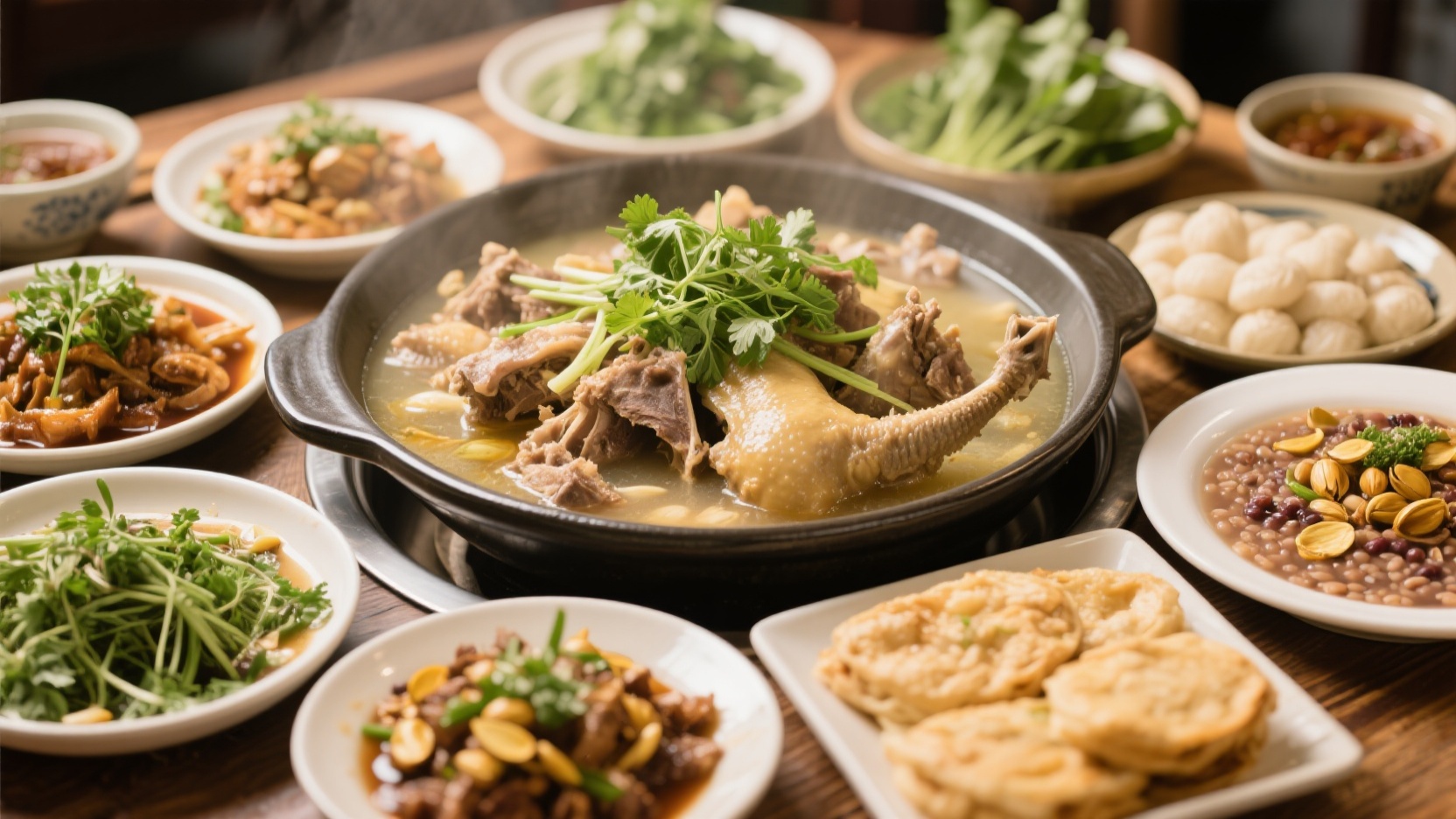
To verify the Xuzhou locals' saying about "eating seasonally," I specifically chose four key dates throughout the year: Qingming Festival, Summer Solstice, Autumn Equinox, and Winter Solstice. The first two times I ate according to tourist lists, but it always felt a bit lacking. Later, I tried the food with a market vendor and relatives from the countryside of Pizhou, and discovered that Xuzhou's truly amazing flavors are hidden within the seasonal changes—they're on the menu year-round, but their peak season is often only a few weeks. For these eight dishes, going at the wrong time is practically a waste of time.
Spring | Shepherd's purse and locust flowers before Qingming Festival will sprout flower buds if missed by a week.
The people of Xuzhou are even more meticulous about the timing of spring vegetables than they are about appreciating flowers. A week before Qingming Festival, bundles of wild shepherd's purse, still covered in mud, suddenly appear at roadside stalls in the market. A local auntie squatted on the ground, picking through the vegetables while instructing me: once shepherd's purse has passed Qingming, the leaves become old, and it bolts and flowers, so it can only be used to boil eggs, not for making dumplings. The correct way to eat it is to chop it up, mix it with a little pork crackling, and wrap it into thin-skinned, generously filled shepherd's purse dumplings. When you bite into them, you should feel the fibrous texture of the wild vegetable; they shouldn't be mashed into a paste.
At the same time, people also scramble to eat locust blossoms and elm seeds. For locust blossoms, choose half-open buds, coat them with a little flour, steam them, and then mix with minced garlic and a few drops of sesame oil—a dish called "steamed vegetable" in Xuzhou dialect. This dish is most sensitive to sugar or soy sauce, as these will mask the blossoms' natural sweetness. Elm seed buns are a traditional way to eat them; cornmeal mixed with elm seeds is shaped into small buns, dipped in green chili sauce—a hearty bite on a spring morning. These two dishes are only available for about ten days around mid-April. After Grain Rain (a solar term), when the locust blossoms are in full bloom and the elm seeds turn yellow, even locals don't eat them anymore.
Summer | The Pengzu Lamb Festival, marking the start of the dog days of summer, is a time when lamb soup is only popular for a dozen days a year.
Many outsiders think eating mutton in summer is out of season, but the people of Xuzhou enthusiastically drink mutton soup during the hottest time of the year. The Xuzhou Summer Mutton Festival begins at the start of the hottest period and lasts until its end. The core way to eat mutton isn't braised or grilled, but rather clear broth. At three or four in the morning, the aroma of mutton soup wafts from large pots simmering outside some mutton restaurants in the old city. The soup should be milky white, and the meat should be sliced with the skin on. After it's served, you add salt, cilantro, and chili oil yourself. Locals in Xuzhou have a tradition of "three rounds" of mutton soup—the first round to enjoy the original flavor, the second with chili oil, and the third with freshly baked flatbread, experiencing three layers of flavor in one bowl.
There's a hidden way to enjoy lamb during the Dog Days of Summer: cold lamb salad. Lamb cooked just until tender is cooled, sliced, and tossed with plenty of minced garlic, aged vinegar, and a touch of sesame oil—a perfect remedy for a sweltering summer loss of appetite. The first year I went, I was a few days late, and the restaurant had already removed the lamb salad from their menu. The owner said, "The lamb is still there, but the lamb from the Dog Days and the lamb from the first day of the Dog Days taste completely different." So, if you want to experience it, you must come within the first three days of the Dog Days.
Autumn | The ginkgo trees of Pizhou and the crabs of Weishan Lake after the Autumn Equinox are the perfect way to "stock up for winter" in Xuzhou.
Pizhou, under the jurisdiction of Xuzhou, is a nationally renowned hometown of ginkgo, but fresh ginkgo fruits are not available year-round. Between the Autumn Equinox and Frost's Descent, the roadsides in Pizhou's countryside are filled with people harvesting ginkgo nuts. Fresh ginkgo nuts have soft, mushy shells, and the kernels are slightly yellow with a thin skin. The most common dish made by locals is ginkgo stewed chicken. The chicken must be a young rooster about one year old, and only ginger slices and salt are added to the soup, allowing the slightly bitter and sweet aftertaste of the ginkgo to bring out the chicken's freshness. This dish seems simple, but when made with dried or vacuum-packed ginkgo nuts, the taste is completely different; only fresh ginkgo nuts have that chewy yet crunchy texture.
The river crabs of Weishan Lake are also in high demand. Although Xuzhou is not a coastal city, the crabs from Weishan Lake are famous throughout Jiangsu Province. Around the Double Ninth Festival, the crab roe is at its fullest. Locals eat the crabs without dipping them in ginger and vinegar; instead, they steam them and then peel them directly, emphasizing the original flavor of the roe. I once ate crabs at a fisherman's house by the lake with a local friend. The roe was sandy like salted egg yolk, with thin shells and firm meat. The owner said the crab season only lasts about a month; after the first frost, the crab meat becomes looser.
Winter | Pickled vegetables and Laba porridge for the Winter Solstice: the old city wall hides the preparations for the New Year.
Winter in Xuzhou doesn't begin with the start of winter; it begins with every household drying pickled vegetables. Before the winter solstice, balconies in older neighborhoods are filled with pickled mustard greens and dried radishes. The mustard greens should be small stalks that have been touched by frost, with leaves turning purple for a crisp texture. Locals use only coarse salt to pickle the mustard greens, layering vegetables and salt tightly. After half a month, they take them out, chop them, and stir-fry them with minced meat and edamame—a perfect accompaniment to winter porridge. This dish absolutely avoids using fine salt and glass jars; only coarse salt and earthenware jars can bring out that fermented, tangy aroma.
On Laba Festival, large pots of Laba porridge are set up in some old alleys of Xuzhou to cook. Xuzhou Laba porridge is mostly savory, with rice, beans, and peanuts as a base, and taro, tofu, and greens added, finally topped with a handful of crispy fried dough twists. The elders say that Laba porridge should be cooked "thick" enough that a chopstick inserted into it won't fall over to be considered合格 (qualified). After drinking Laba porridge, the next steps are frying sesame leaves, making steamed dishes, and preparing for the New Year; the entire winter's food rhythm follows the solar terms.
The blogger summarizes: Of these eight dishes, steamed locust flowers and elm seed buns in spring are most easily overlooked by tourists. The clear broth mutton and cold mutton dishes at the Summer Lamb Festival are unique off-season experiences in Xuzhou. In autumn and winter, save your stomach for fresh ginkgo nuts and coarsely salted pickled vegetables. If you can only visit once a year, prioritize the first three days of the Summer Lamb Festival and the week before Qingming Festival; these two periods best represent Xuzhou's dedication to "eating seasonally."
Practical Tips: 1. In spring, only buy wild vegetables from roadside stalls in the market, still covered in mud; supermarket packaged vegetables are mostly greenhouse-grown. 2. During the Summer Lamb Festival, many lamb restaurants open before dawn; arrive before 7 am to avoid queues. 3. In autumn, when looking for ginkgo stewed chicken in Pizhou, avoid the areas around scenic spots; head to small restaurants in the towns for a better experience. 4. In winter, choose pickled vegetables freshly taken from earthenware jars, not vacuum-packed ones. 5. For all seasonal vegetables, ask in advance if they are in season; Xuzhou vendors generally don't lie, but they will ask if you've arrived a few days late. Eating according to the seasons is the right way to experience a city.