
Han Dynasty Legacy | Xuzhou: An In-Depth Exploration of Han Dynasty Culture and Pengcheng Art
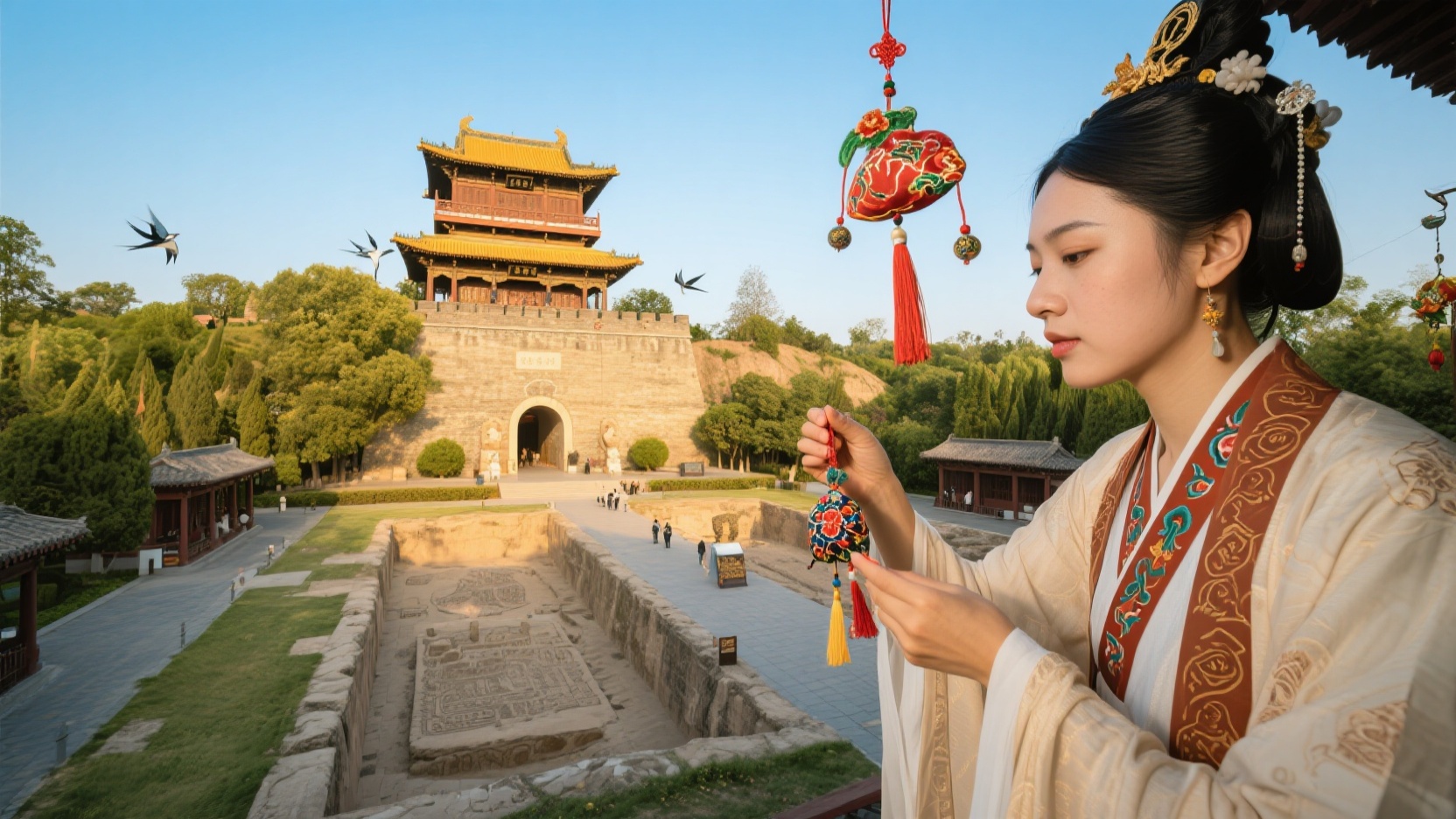
Xuzhou, an important city located in the southeastern part of the North China Plain, has been a strategically vital location since ancient times, and is also the birthplace and core area of the Han Dynasty culture. Its profound historical heritage has not only forged the ancient imprint of "Pengcheng" (a name derived from Pengcheng), but also nurtured a unique and charming cultural and artistic landscape. For travelers eager to explore Chinese history and traditional arts in depth, Xuzhou is undoubtedly a treasure trove not to be missed. This XOOTOUR featured blog post will carefully plan an in-depth travel route themed around culture and art, avoiding superficiality and reaching the very soul of the city.
Over three days, we will explore the grandeur of Han Dynasty imperial tombs, the poetic traces left by literati, and the intangible cultural heritage techniques that flow from fingertips, revealing the unique charm of Xuzhou where the past and present blend seamlessly.
Tracing the Origins of Han Dynasty Culture: Imperial Tombs and Cultural Relics
The core of a trip to Xuzhou is undoubtedly a deep dive into its Han Dynasty culture. We recommend starting with the Xuzhou Museum, the first stop for a systematic understanding of Xuzhou's Han culture. The museum boasts a rich collection, with Han Dynasty artifacts being its crown jewels. Here, you will have the opportunity to closely observe the renowned "Jade Burial Suit"—not only the ultimate embodiment of the Han Dynasty's burial philosophy of "treating the dead as if they were alive," but also the pinnacle of Han Dynasty jade craftsmanship. Every piece of jade, every strand of gold thread, embodies the wisdom of the ancients and their pursuit of eternity. In addition, a large number of Han Dynasty portrait stones, pottery figurines, and bronzes silently tell the story of Han Dynasty society's diverse life, ideologies, and aesthetic tastes, providing indispensable material evidence for understanding Han Dynasty civilization.
Afterwards, we moved to the Lion Mountain Chu King's Mausoleum and the Han Terracotta Army Museum. This mausoleum, belonging to Liu Wu, the Chu King of the early Western Han Dynasty, is renowned for its grand scale, built against the mountain, and its excellent preservation. The excavation of the mausoleum was massive and the project arduous, showcasing the magnificence and meticulousness of Han Dynasty imperial tombs. The Han terracotta warriors unearthed beside the mausoleum, while not as large as the Qin Shi Huang Terracotta Army, showcase the style of the Han Dynasty army with their unique shapes and distinct regional characteristics. These terracotta figures have diverse facial expressions and vivid forms, serving as invaluable samples for studying the Han Dynasty's military system, clothing culture, and even sculptural art. Strolling among them, one can almost hear the roar of clashing swords and galloping horses from over two thousand years ago and feel the heroic spirit of the Chu King's dominance.
Cultural Heritage: Poetic Pengcheng and Memories of the Ancient City
Xuzhou possesses not only imperial grandeur but also refined literary elegance. On the second day of our itinerary, we will focus on the city's cultural heritage. We highly recommend visiting the Swallow Tower and the Yellow Tower, two historical sites closely linked to the political achievements and poems of the great Northern Song Dynasty writer Su Shi during his time in Xuzhou.
Swallow Tower is famous because Guan Panpan, the daughter of the Tang Dynasty poet Zhang Jianfeng and a renowned courtesan, remained chaste here. Su Shi wrote a poem for her, "Yong Yu Le: Sleeping at Swallow Tower in Pengcheng," which further enhanced its fame. Climbing Swallow Tower allows one to feel the sorrow of parting and the unwavering loyalty of the ancients, and to imagine Su Shi spending the night here, gazing into the distance from the railing. Yellow Tower, on the other hand, is a flood control project overseen by Su Shi when he served as the prefect of Xuzhou, designed to prevent floods and benefit the people. He personally supervised its construction and wrote "Ode to Yellow Tower," praising its achievements. Yellow Tower is not only a model of water conservancy engineering but also a symbol of Su Shi's "people-oriented" governance philosophy. Here, you can gain a deeper understanding of Su Shi's water management strategies in Xuzhou, appreciate his poems and essays, and feel the compassion and artistic achievements of this extraordinary talent.
In the afternoon, we visited the Guishan Han Tomb. This joint tomb of Liu Zhu, the sixth King of Chu of the Western Han Dynasty, and his wife is renowned for its exquisite tomb passage design and unique "husband and wife buried together" structure. The tomb passage, carved into the mountainside, stretches over 100 meters, and the two entrances, only 19 meters apart, precisely converge more than 20 meters underground, showcasing the advanced architectural surveying techniques of the Han Dynasty. Even more astonishing are the clear chisel marks on the stone walls inside the tomb chamber, resembling an "unfinished project," sparking endless speculation among later generations. The Guishan Han Tomb is not merely a mausoleum, but also a wordless history book, awaiting every visitor to decipher the extravagance of the Han Dynasty royal family, the wisdom of the craftsmen, and the mysteries of history.
Tracing Intangible Cultural Heritage: The Flowing Light at Your Fingertips and the Elegant Charm of Pengcheng
The charm of Xuzhou's culture and art is also deeply hidden in its intangible cultural heritage passed down through generations. On the third day, we will focus on these vibrant folk arts.
Xuzhou sachets are a unique feature of Pengcheng (Xuzhou). These fabric crafts, sewn with silk thread and filled with fragrant spices, are not only exquisitely shaped and colorful, but also carry the auspicious meaning of warding off evil, bringing good fortune, and praying for peace. From traditional "Five Poisons" sachets to modern creative designs, Xuzhou sachets showcase the exquisite needlework skills and rich imagination of folk artisans. In Xuzhou's cultural districts or intangible cultural heritage experience centers, you have the opportunity to make a sachet yourself, feeling the warmth of your fingertips and the charm of ancient craftsmanship.
Xuzhou painted decoration, an ancient folk art, is commonly used in architectural decoration, furniture painting, and painting creation. It features bright colors, flowing lines, and themes drawn from historical stories, myths, and auspicious patterns. By visiting related exhibitions or studios, you will learn about the intricacies of painted decoration, from pigment selection and brushwork to composition, and experience its unique artistic style and profound cultural connotations.
Furthermore, Pengcheng Ancient Music is also a calling card of Xuzhou's intangible cultural heritage. This traditional music, which is prevalent in the Xuzhou area, showcases the inheritance of Xuzhou's musical culture since the Han Dynasty with its simple and elegant melodies and unique performance style. Although it is not easy to find regular performances, by consulting materials or visiting local cultural centers, one can learn about its instruments, tunes, and historical origins, which is also a way to deeply appreciate the artistic spirit of Xuzhou.
Xuzhou, with its magnificent Han Dynasty culture, the poetic traces left by literati, and the delicate artistry of folk art, constructs a diverse and multifaceted world of culture and art. Slow down, feel with your heart, and you will discover more wonder and emotion beyond appearances in this ancient city.